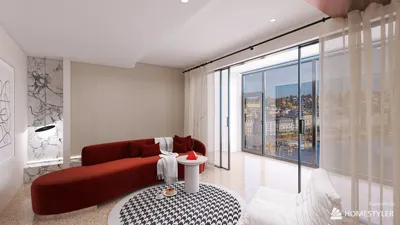


Baroque Splendor design challenges revolve around orchestrating an extravagant aesthetic without overwhelming the occupant. This style demands a delicate balance between lavish ornamental details and spatial harmony. The core difficulty lies in integrating grandiose elements — including elaborate moldings, luxurious fabrics, and intricate furniture carvings — into a living space that feels cohesive rather than chaotic. Achieving authenticity means respecting Baroque's historical roots: rich textures, symmetry, and dramatic flair coexist with functional comfort. The architectural features must complement interior appointments—arched ceilings, decorative pilasters, and gilded accents need alignment with furniture scale. The risk in Baroque interiors is visual clutter, often caused by mixing disproportionate pieces or clashing color and material palettes. Designers face the challenge of curating each layer—from furniture to accessories—to contribute toward a unified expression of opulence. This demand for restraint amidst grandeur defines the style’s core tension. Moreover, creating a sense of movement and drama through light and shadow requires thoughtful fixture placement and material choice. Traditional Baroque rooms use chandeliers, sconces, and candlelight to produce a theatrical atmosphere, while modern interpretations should honor this effect without losing livability. In essence, Baroque Splendor is the art of harmonizing extravagance with purposeful design. Designers must avoid heavy-handedness by strategically planning every detail—spaces must breathe yet tell a compelling story of old-world luxury. The intricate interplay of scale, color, texture, and illumination sets the stage for an interior that feels rich yet inviting, striking a rare balance few styles demand.
Step 1: Layout Logic — Space Proportion and Furniture Arrangement
In Baroque Splendor interiors, the spatial layout acts as the canvas upon which opulence is expressed. Designers should start with an architectural appraisal to identify proportionate zones that lend themselves to symmetrical arrangements—which is a hallmark of Baroque aesthetics. Prioritize balance when placing statement furnishings such as carved armchairs, tufted sofas, and gilt-framed tables. Avoid overcrowding by selecting fewer, more impactful pieces. For instance, place two identical chairs opposite one another flanking a grand coffee table to create a harmonious focal area. Use large-scale elements like dramatic consoles or ornate mirrors to anchor walls while maintaining ample circulation pathways. Incorporate classical motifs like fluted columns and curved pedestals adjacent to furniture groupings to reinforce style authenticity. Spatial depth can be enhanced by layering rugs and textiles, grounding each seating area in its own defined boundary. Pay special attention to ceiling height; rooms with vaults or decorative plasterwork benefit from lower-profile furnishings that emphasize vertical grandeur without competing visually. Additionally, position heavy draperies at window frames to complement the room's scale, adding softness while preserving proportionate sight lines. Dimensional harmony between furniture height, table size, and room scale is crucial. When using the Baroque Splendor model, each piece has been pre-scaled, easing the risk of imbalance. This deliberate spatial choreography ensures that the room’s grandeur does not descend into awkwardness, but rather facilitates an immersive experience steeped in historic luxury.
Step 2: Light and Color — Tone Selection and Lighting Arrangement
Color palettes in Baroque Splendor interiors favor warm, rich tones that emulate the materials historically favored during the era—deep golds, burgundy reds, forest greens, and imperial blues. These hues provide a lush backdrop for gilded ornamentation and textured finishes. Implement layering of tones starting from walls through upholstery to accent objects. Walls can be adorned with damask wallpaper or painted in matte finishes that mute reflections, allowing furniture details to shine. Lighting design should focus on balancing ambient, task, and accent illumination to enhance ornate details and create dramatic shadows. Central chandeliers in crystal or brass evoke grandeur, while wall sconces with candle-shaped bulbs reinforce period character. Supplement overhead lighting with strategically placed table lamps featuring silk shades, which soften light diffusion and add warmth. Dimmers are essential to control intensity, enabling moods that shift from regal afternoon radiance to intimate evening glow. Natural light sources must be filtered through heavy draperies or brocade curtains that complement color schemes while modulating brightness to avoid glare. Consider gilded mirror placements opposite windows to amplify daylight and create reflections that animate the room. Careful chromatic coordination paired with layered, theatrical lighting is integral for capturing the essence of Baroque Splendor. Every glow, shadow, and hue must work synergistically to amplify textures and architectural sculptural elements.
Step 3: Finishing Touches — Small-Scale Models to Enhance Texture and Ambience
Small decorative models are pivotal in infusing Baroque Splendor interiors with authenticity and tactile richness. Incorporate finely crafted statuettes, miniature clock sets, and ornate candle holders placed on console tables or mantels to punctuate the space. Collectibles should exhibit classical detailing—cherubic figures, acanthus leaf motifs, and scrolling designs—to echo the larger design language without overcrowding surfaces. Complement these with vintage porcelain vases or lacquered boxes that serve as focal points and provide visual relief. Glass and crystal elements amplify luminescence, particularly when positioned near light sources, adding sparkle that recalls Baroque opulence. Layer books with richly bound leather spines and gilded edges to augment textural complexity on shelves and side tables. Textile accents like tassels, velvet cushions, and silk runners should be thoughtfully placed to create rhythm and balance among the fine details. Avoid random assortment by choosing accessories in cohesive color schemes and materials that complement furniture finishes and wall treatments. Each piece must earn its place by offering historical context or material contrast, elevating the entire environment. Integration of these small-scale decorative models, particularly those offered in the Baroque Splendor collection, enhances visual interest and helps the space narrate its sumptuous story with depth and refinement.
Designing the Look
For designers working in Homestyler, the Baroque Splendor is a practical shortcut to authenticity. It removes the guesswork from sourcing — every piece is pre-matched in scale, material, and proportion to deliver a coherent Baroque result.

Vintage Carved Solid Wood Wardrobe Ornate Detailed Design 3D Model

French Style Blue Velvet Tufted Solid Wood King Bed 3D Model

Vintage Solid Oak Wood Bookshelf with Decorative Details 3D Model

side table-Baroque Splendor

Vintage Ornate Framed Classical Oil Painting Wall Art 3D Model

Vintage Crystal Metal Chandelier 3D Model
FAQ
Q1: How can I prevent my Baroque-style interior from feeling too cluttered?
Start by selecting a limited number of signature furniture pieces that embody Baroque aesthetics—grand but not excessive. Maintain symmetry and ensure proportional spacing between elements. Use layering wisely; allow negative space to balance dense ornamentation. Avoid mixing too many contrasting patterns and colors. Applying these spatial discipline practices maintains opulence without chaos.
Q2: What lighting fixtures best complement Baroque interiors while ensuring adequate brightness?
Opt for large crystal or brass chandeliers that reflect traditional grandeur, combined with wall sconces shaped like candleholders to evoke period authenticity. Use table lamps with warm, diffused light to create ambient depth. Incorporating dimmers helps adjust light intensity for functionality and mood. Natural light should be softened with rich draperies to reduce glare and maintain atmosphere.
Q3: How do I choose decorative accessories that align with Baroque Splendor without overwhelming the design?
Select accessories with classical motifs—acanthus leaves, cherubs, curving scrolls—but keep the palette consistent with your furniture finishes and fabrics. Place small models and statuettes deliberately to punctuate rather than crowd surfaces. Incorporate reflective materials like crystal and gilt to tie pieces into the lighting strategy. Balance between few statement objects and subtle supporting items ensures cohesion and maintains visual hierarchy.
Built on technology originally developed at Autodesk, Homestyler empowers anyone to design beautiful, realistic spaces in minutes. Join over 18 million users who have already discovered a smarter way to plan, visualize, and bring their dream homes to life — all from the comfort of a browser.
Homestyler's powerful 3D rendering feature brings your design concepts to life with incredible detail.
Diseño ahora GRATIS
































