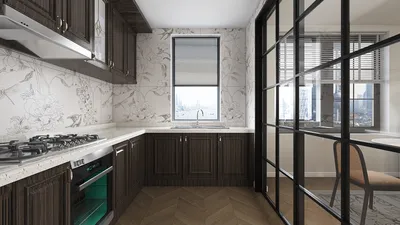


What is the most common core issue in Barbie style interiors?
Overuse of pink and excessive ornamentation lead to visual chaos.
Quick Takeaways
1. Too much pink can overwhelm and tire the eye. 2. Ignoring scale results in awkward spatial balance. 3. Excessive decoration clouds the design’s clarity. 4. Mixing incompatible textures creates style confusion. 5. Poor lighting dulls Barbie’s vibrant aesthetic.
Introduction
When I first tackled Barbie-style interiors, the biggest trap was trying to cram every shade of pink and all the glittery elements into one space. This results in a muddled look — a clash rather than harmony. Without restraint, the unique charm of a Barbie-inspired room gets lost in visual noise. Recognizing where this style often goes wrong is key to crafting a space that feels playful yet refined.
Why It Goes Wrong
Barbie style’s biggest downfall stems from an aesthetic overload. The temptation to pack countless embellishments, glossy finishes, and layers of pink hues overwhelms spatial harmony. Designers often confuse boldness with excess, losing subtlety in color mixing and scale control. This leads to visual fatigue and spatial imbalance where the design message dilutes instead of shining.
Mistake 1: Overwhelming Use of Pink
The Mistake: Saturating the room with every possible pink tone without balance. Why It Happens: Pink is the iconic Barbie signature color, tempting designers to saturate for effect. The Fix: Limit pink to 30-40% of visual elements, complement with neutral tones like white or beige to prevent eye fatigue.
Mistake 2: Ignoring Proportion and Scale
The Mistake: Choosing oversized furniture or tiny accessories without spatial harmony. Why It Happens: Desire to evoke playful childlike themes leads to exaggerated scale choices. The Fix: Maintain a furniture scale ratio between 1:3 and 1:6 relative to room size; balance playful pieces with classic shapes.
Mistake 3: Excessive Decoration
The Mistake: Layering too many ornamental details such as sequins, ruffles, and rhinestones. Why It Happens: Assumption that glam means ornament-heavy design. The Fix: Apply maximalism selectively; choose one statement ornament per zone and keep other surfaces simple.
Mistake 4: Mixing Incompatible Textures
The Mistake: Combining matte, glossy, and fuzzy materials without cohesion. Why It Happens: Trying to add tactile interest without a unifying theme. The Fix: Limit textures to 2-3 types that support Barbie’s glam vibe—glossy acrylics, sleek metals, and soft velvets.
Mistake 5: Poor Lighting Choices
The Mistake: Insufficient or harsh lighting that mutes the color palette. Why It Happens: Overlooking lighting’s role in enhancing pink hues and reflective surfaces. The Fix: Use warm, layered lighting with dimmable LEDs and accent lamps to create depth and vibrancy.
Designing the Look
Homestyler’s ‘Barbie’ offers a comprehensive set of ready-to-use 3D models specifically curated to embody this aesthetic, allowing designers to achieve authentic results with professional-grade textures and forms.

elf-ai generated

Barbie-ai generated

Pink White Floral Decor Kids Wardrobe With Stool 3D Model


fireplace-ai generated

slide-ai generated
FAQ
Q: How can I balance pink in Barbie style without making the space look childish?
A: The key is to integrate pink with sophisticated neutrals like cream, beige, or soft gray. Use pink as an accent color on walls, cushions, or art pieces rather than the dominant hue. Combining pink with modern furniture shapes and metallic finishes also adds maturity to the look.
Q: What are the best materials to use in Barbie-inspired interiors?
A: Opt for glossy acrylics, polished metals such as rose gold or chrome, and rich velvet fabrics. These materials capture Barbie’s glamorous aesthetic well while avoiding an overly saccharine or cheap appearance. Avoid cheap plastics and overly fuzzy textiles which can cheapen the design.
Q: How do I ensure lighting complements the Barbie style best?
A: Lighting should be layered, combining ambient, accent, and task sources. Warm LED lights with dimming options help create a flattering glow that enhances pinks and reflective surfaces. Accent lighting on art and décor adds depth, while avoiding harsh overhead fluorescents maintains softness.
Homestyler's roots trace back to Autodesk, the global leader in design and engineering software. That heritage lives on in every feature we build. Today, with a community of more than 18 million users worldwide, Homestyler continues to make professional-quality interior design accessible to everyone — from first-time decorators to seasoned architects.
Homestyler is a professional interior design software that helps users effortlessly create their dream home.
Design Now for FREE
































