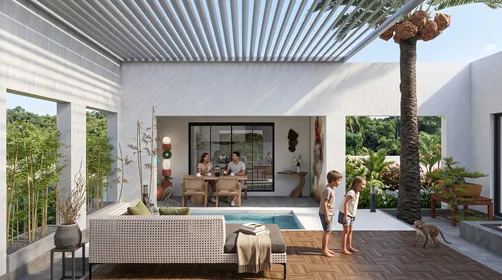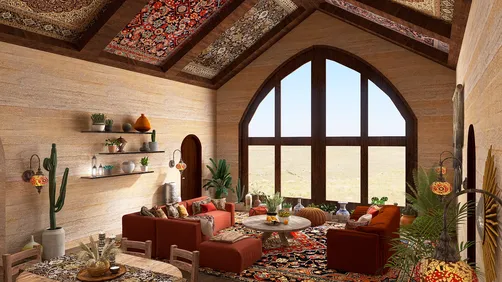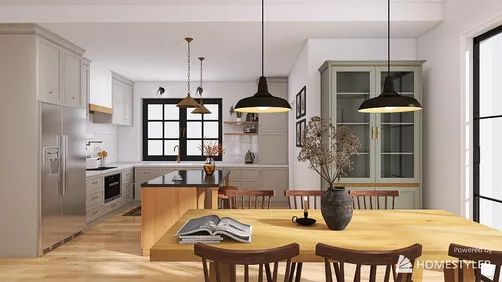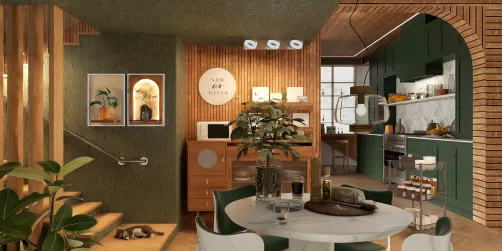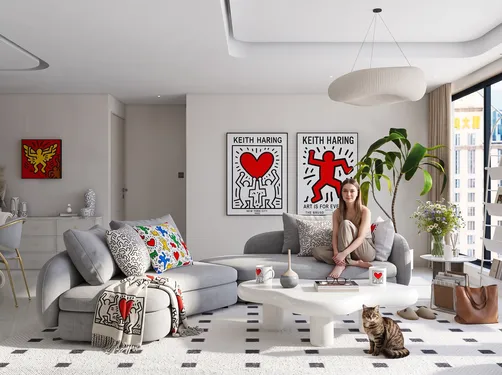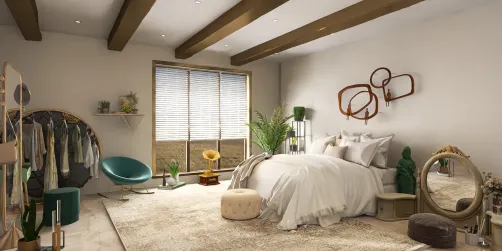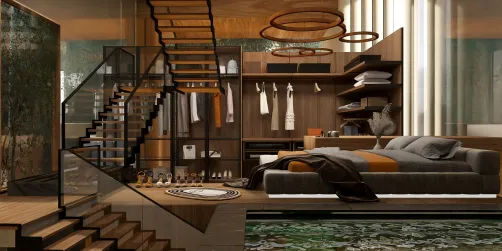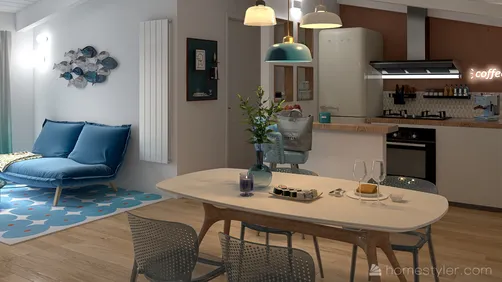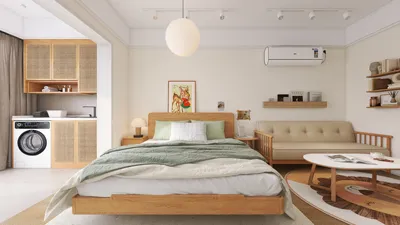



The Autumn Fire Pit style embodies a compelling tension between natural rustic elements and sleek contemporary details. This aesthetic challenge lies in reconciling the raw textures and warm, organic hues reminiscent of fall leaves with the streamlined forms and minimalist sensibilities prized in contemporary design. Achieving this balance demands a nuanced approach to materials, colors, and spatial arrangements that honors the cozy intimacy evoked by an autumnal fire pit without overwhelming the clean lines that define modern interiors. Designers must grapple with integrating tactile elements like weathered wood, rough stone, and soft textiles into a controlled environment where simplicity and order reign. One core difficulty is avoiding the trap of turning the space into a cliché—too heavy on rustic ornamentation can feel dated or kitsch, while overly minimal execution risks sterile coldness. The interplay of warmth and refinement must feel deliberate rather than haphazard. This means thoughtful layering of textures, careful selection of color tones that reflect autumnal vibrancy but remain muted enough to suit urban sophistication, and a precise spatial logic to ensure functional flow and open sightlines. Moreover, the design challenge extends to lighting: how to invoke the flickering, dynamic glow of firelight indoors or in transitional outdoor areas without compromising natural daylight or disrupting the contemporary aesthetic's emphasis on clarity and brightness. The balancing act involves choosing lighting fixtures and their positioning with sensitivity to shadow play and ambiance. Finally, accessorizing in the Autumn Fire Pit style requires restraint and selectivity. Small-scale objects and furnishings must enhance the tactile narrative and color story while preserving airiness. Designers need to discern which handcrafted details, ceramics, metals, or woods will unify the composition rather than clutter it. Mastering these tensions is what defines success in the Autumn Fire Pit idiom, a style that evokes the elemental power of nature’s seasonal transition within a modern living experience.
Step 1: Layout Logic — Spatial Proportions and Furniture Placement
The foundation for an authentic Autumn Fire Pit interior starts with a strategic layout that respects spatial proportions while prioritizing comfort and interaction. Begin by defining a central gathering zone that emulates the communal warmth of a fire pit setting. Position seating—such as low-profile sofas or rustic armchairs—in a circular or semi-circular formation that encourages conversation and intimacy. Scale is critical. Choose furniture pieces scaled to each other and the room to avoid overcrowding or imbalance: oversized elements can disrupt airflow and invite visual heaviness, while undersized furniture may undermine the presence and gravity typical of firepit-inspired designs. Rogue pieces, even those made from natural materials, must not interrupt the spatial rhythm. Incorporate natural materials like reclaimed wood or wrought iron for furniture, ensuring finishes are consistent in tone and texture to create cohesion. For outdoor-adjacent spaces, consider modular seating that allows flexible arrangement around a fire feature or focal point. Traffic flow should remain fluid, with clear paths free of obstacles. Utilize rugs defined by warm, earthy colors grounded in ochre, burnt sienna, and deep terracotta to anchor seating areas and subtly delineate functional zones. Balance is also achieved by placing heavier furniture pieces opposite lighter ones, for example, pairing a solid wooden coffee table with lighter woven ottomans or stools. Integrate built-in shelving or low credenzas to provide storage without encroaching on open space. Ultimately, this layout approach ensures each element participates in the storytelling of warmth, community, and sophistication that the Autumn Fire Pit style demands.
Step 2: Light and Color — Tone Selection and Light Source Coordination
Color and light define the sensory experience of an Autumn Fire Pit-inspired space. Prioritize a warm, muted palette drawn from natural autumn hues—mahogany, deep copper, faded rust, and soft charcoal. Use these tones selectively across walls, textiles, and accent pieces to create a layered, immersive environment. Walls should lean towards warm neutrals like creamy beige or soft taupe that serve as a stellar backdrop, allowing richer accent colors to shine without overwhelming the senses. Introducing matte finishes rather than glossy surfaces helps reinforce the tactile, earthy vibe. Lighting should replicate the inviting flicker of a fire pit while maintaining sophistication. Utilize layered lighting with a combination of recessed ceiling fixtures, adjustable wall sconces, and low-hanging pendants crafted in wrought iron or raw brass. Incorporate lamps with amber-hued glass or fabric to diffuse a gentle glow. Incorporate LED strip lighting subtly along architectural features to add depth without competing with the main source. Candles or fireplaces remain quintessential for authenticity—if indoors, opt for clean-burning bioethanol fireplaces for easy maintenance and genuine flame. Adjust lighting intensity with dimmers to transition effortlessly between bright daytime functionality and intimate evening atmospheres. Position fixtures to create pools of warm illumination around seating and dining zones, mimicking the variation of natural firelight. Together, deliberate color choices and lighting set the tone, capturing the essence of an autumn evening beside a fire pit within a contemporary frame.
Step 3: Signature Details — Accent Pieces that Refine Texture and Atmosphere
Small-scale decorative elements provide the final flourish necessary to elevate an Autumn Fire Pit interior beyond basic templates. Hand-selected objects must simultaneously enhance tactile richness and maintain visual clarity. Introduce ceramics and pottery in matte or subtly glazed finishes. Their irregular forms and earthy hues echo natural landscapes. Incorporate handwoven baskets and textiles with intricate patterns that reference autumnal motifs but remain understated. Metal accents such as hammered bronze candle holders or iron-framed mirrors add an artisanal contrast. Include wooden trays, sculptures, or carved bowls that celebrate craftsmanship and natural imperfection. Consider softened accents like cashmere or wool throws in deep burnt orange or charcoal grey to bring additional warmth and invite tactile interaction. Plants with sculptural, dried foliage or ornamental grasses evoke the season without detracting from the minimalist layout. Select planters crafted from warm clay or matte stone for cohesion. Balance these elements across surfaces and volumes—too many accessories can clutter and dilute the concept, while too few risk sterility. Use each piece to reinforce mood, scale, and narrative, adding complexity that reads refined rather than chaotic. This attention to textural layering through curated objects transforms the Autumn Fire Pit style into a living experience, marrying material homage with restrained elegance.
Designing the Look
For designers working in Homestyler, the Autumn Fire Pit is a practical shortcut to authenticity. It removes the guesswork from sourcing — every piece is pre-matched in scale, material, and proportion to deliver a coherent rustic-modern result.

medical staff-Medical CareⅡ

spiral staircase-Selected StairsⅡ

staircase-Selected StairsⅡ

spiral staircase-Selected StairsⅡ

staircase-Selected StairsⅡ

medical staff-Medical CareⅡ
FAQ
Q1: How can I prevent the Autumn Fire Pit style from feeling too heavy or cluttered?
A1: Maintain balance by limiting bulky rustic furniture and opting for streamlined pieces with warm materials. Use open layouts and selective accessories that emphasize texture over volume. Introduce negative space intentionally to let warmth stand out without visual congestion.
Q2: What lighting solutions best mimic firelight indoors while preserving modern aesthetics?
A2: Layered lighting, including dimmable warm-toned LEDs combined with amber glass fixtures, creates the dynamic glow of firelight. Bioethanol fireplaces offer real flame without smoke or excessive heat, complementing minimalist designs. Avoid harsh white light that disrupts the cozy ambiance.
Q3: Which materials best embody the Autumn Fire Pit theme without compromising durability?
A3: Use reclaimed wood, natural stone, iron, and hand-thrown ceramics for authentic texture and longevity. Textiles in wool, linen, or cashmere offer warmth and resilience. Choose finishes that age gracefully to preserve rustic character over time.
Built on technology originally developed at Autodesk, Homestyler empowers anyone to design beautiful, realistic spaces in minutes. Join over 20+ million registered users (platform data, 2026) who have already discovered a smarter way to plan, visualize, and bring their dream homes to life — all from the comfort of a browser.
Design your ideal space with Homestyler, turn your creativity into reality, and craft a unique home style that is truly your own.
Design Now for FREE