

Conclusion
Art Deco and Mid-Century Modern might appear similar at first glance due to their shared modern origins, yet their core philosophies diverge considerably. Art Deco emphasizes bold ornamentation, geometric precision, and luxurious materials, creating spaces that feel extravagant and theatrical. In contrast, Mid-Century Modern champions simplicity, organic forms, and functionalism, favoring minimal embellishments and natural materials. Choosing between them comes down to whether you prefer the charismatic opulence of Art Deco or the understated warmth and clarity of Mid-Century Modern.
Art Deco Deep Dive
Characterized by rich colors, lavish ornamentation, and symmetrical geometric shapes, Art Deco emerged in the 1920s and 30s as a celebration of modernity infused with grandeur. Central to this style is an exuberant expression of luxury, often through glossy lacquer finishes, mirrored surfaces, chrome or brass accents, and exotic materials like marble and ebony. Settings well-suited for Art Deco include formal living rooms, grand foyers, and upscale hospitality venues that aim to impress with elegant, curated drama. However, its lavishness can overwhelm small spaces or casual environments, making careful balance and restraint necessary for livability.
Mid-Century Modern Deep Dive
Emerging after World War II, Mid-Century Modern emphasizes streamlined silhouettes, organic shapes, and functionality without fuss. Materials like teak, walnut, bent plywood, and stainless steel are employed to marry durability with aesthetic grace. It fits perfectly into everyday family homes, open-plan layouts, and professional offices seeking an approachable yet stylish atmosphere. Though it's celebrated for timeless simplicity, its muted palette and sparse detailing might feel too understated for those seeking bold visual statements or decorative richness.
Head-to-Head
| Dimension | Art Deco | Mid-Century Modern |
|---|---|---|
| Color Palette | Jewel tones, metallics, black and white contrasts | Earth tones, muted pastels, natural wood hues |
| Materials | Glossy lacquer, chrome, marble, exotic woods | Teak, walnut, stainless steel, molded plastic |
| Spatial Experience | Formal, symmetrical, visually dramatic | Open, airy, organic flow |
| Target User | Luxury seekers, formal entertaining, heritage restoration | Families, casual living, modern professional environments |
How to Choose
Begin by assessing the atmosphere you want: If you crave sumptuous glamour with striking visual accents and personalized opulence, Art Deco suits your taste perfectly. Opt for statement pieces with rich materials and symmetrical layouts. Conversely, if you desire timeless functionality coupled with natural warmth and informal charm, Mid-Century Modern offers flexible solutions. Prioritize organic shapes, quality wood furnishings, and open spatial arrangements. Your lifestyle should guide the choice: formal entertaining and dramatic aesthetics call for Art Deco; practical, everyday comfort aligns better with Mid-Century Modern.
Designing the Look
If Art Deco is the direction you're drawn to, Homestyler's 'Art Deco' gives you a ready-built library to start experimenting immediately — no sourcing, no scale guesswork, just design.
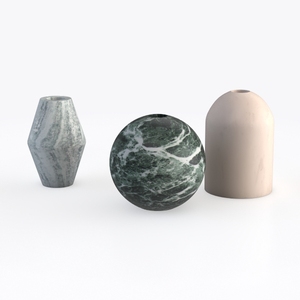
Marble Ceramic Modern Decorative Vases Set 3D Model

Vintage Sepia Palm Jungle Wall Art Print 3D Model

Minimalist Black Gold Striped Area Rug 3D Model

Art deco wallpaper 10

Modern Brass Metal Taper Candle Holder Decorative 3D Model

Luxury Black Gold Geometric Pattern Area Rug 3D Model
FAQ
Q1: How do Art Deco and Mid-Century Modern differ in suitability for small apartments?
Art Deco’s lavish ornamentation and heavy materials can overwhelm limited spaces, making them feel cluttered or cramped. Mid-Century Modern’s minimalist approach and light materials tend to expand the perception of space, thus better suiting compact apartments.
Q2: Can elements of Art Deco and Mid-Century Modern styles be combined effectively?
While both share a modernist origin, their contrasting decorative philosophies make blending a challenge. Successful integration requires balancing Art Deco’s ornamentation with Mid-Century’s simplicity via selective accent pieces rather than full thematic merging.
Q3: Which style is more adaptable to contemporary technology-focused homes?
Mid-Century Modern’s emphasis on function and clean lines generally accommodates technology integration better, allowing devices to blend seamlessly. Art Deco's ornamental focus can sometimes clash unless technology is thoughtfully concealed or incorporated as a design statement.
Homestyler's roots trace back to Autodesk, the global leader in design and engineering software. That heritage lives on in every feature we build. Today, with a community of more than 18 million users worldwide, Homestyler continues to make professional-quality interior design accessible to everyone — from first-time decorators to seasoned architects.
Homestyler is a professional interior design software that helps users effortlessly create their dream home.
지금 무료로 디자인하세요
































