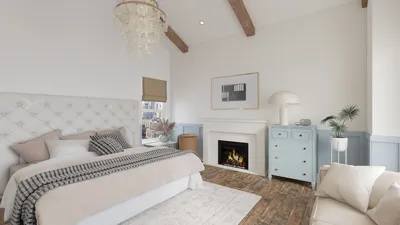


Art Deco’s Most Frequent Design Pitfall Revealed
Overuse of ornamental details leading to cluttered, unbalanced interiors.
Quick Takeaways
1. Excessive ornamentation disrupts balance. 2. Incorrect scale of geometric patterns creates visual chaos. 3. Ignoring metallic finishes dilutes the style’s luxury feel. 4. Poor contrast between materials weakens Art Deco’s sharpness. 5. Mixing unrelated styles causes aesthetic confusion.
I have always been fascinated by Art Deco’s elegant yet bold character, but achieving its refined aesthetic is deceptively difficult. Designers often fall into traps like overwhelming decorative elements or skewed proportions. The challenge lies in balancing the exuberance characteristic of Art Deco with a refined cohesiveness. My experience has shown that avoiding common missteps demands both restraint and precision.
Why It Goes Wrong
Art Deco's downfall most often stems from over-decoration and improper scale use. The style’s hallmark is striking geometric forms and rich materials, yet misapplied layering and disregarded proportion overwhelm the senses and erode clean, refined lines. Mixing incompatible influences also causes a diluted identity rather than iconic glamour.
Mistake 1: Overloaded Ornamentation
The Mistake: Bombarding spaces with excessive decorative elements like overly intricate trims, too many patterns, or heavy embellishments. Why It Happens: Designers eager to showcase Art Deco’s lavishness often add detail indiscriminately, mistaking quantity for authenticity. The Fix: Limit ornamental features to key focal points and maintain clean surrounding areas. Use no more than two statement details per room, allowing them to breathe to preserve impact.
Mistake 2: Ignoring Geometric Proportion
The Mistake: Employing geometric designs of mismatched scales that create visual disharmony and tension. Why It Happens: Misjudging how large patterns resonate within space, or layering conflicting shapes without a coherent scale hierarchy. The Fix: Choose one dominant geometric motif at a consistent scale and complement with smaller, simpler patterns. Measure wall and furniture dimensions carefully to guide proportional choices.
Mistake 3: Underutilizing Metallic Finishes
The Mistake: Failing to incorporate signature metallic elements like gold, brass, and chrome, leading to a flat visual experience. Why It Happens: Hesitation to use metallics may result from fear of overdoing glamor or from not understanding their balancing role. The Fix: Integrate metallic accents strategically—on light fixtures, hardware, or trim. Use matte finishes sparingly to offset shine without dulling the design’s signature luxe aura.
Mistake 4: Weak Material Contrast
The Mistake: Employing materials that blend too similarly in color or texture, causing a bland, uninspired environment. Why It Happens: Overemphasis on matching colors leads to missing the dialogue between contrasting surfaces critical to Art Deco vibrancy. The Fix: Pair glossy lacquer with matte wood, polished stone with velvet fabrics, or inlaid mirrors with rich marbles. Contrast adds depth and accentuates form.
Mistake 5: Mixing Incompatible Styles
The Mistake: Combining Art Deco with unrelated styles like rustic or minimalist, resulting in a confused stylistic narrative. Why It Happens: Desire for eclectic flair without a guiding principle dilutes Art Deco’s distinctive character. The Fix: Commit to the Art Deco vocabulary—bold angles, rich textures, metallic shine—and incorporate complementary period elements rather than disparate trends.
Designing the Look
Homestyler’s ‘Art Deco’ offers a comprehensive set of ready-to-use 3D models specifically curated to embody this aesthetic, allowing designers to achieve authentic results with professional-grade textures and forms.
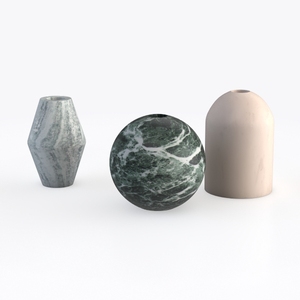
Marble Ceramic Modern Decorative Vases Set 3D Model

Vintage Sepia Palm Jungle Wall Art Print 3D Model

Minimalist Black Gold Striped Area Rug 3D Model

Art deco wallpaper 10

Modern Brass Metal Taper Candle Holder Decorative 3D Model

FAQ
Q: What defines authentic Art Deco in interior design?
Authentic Art Deco combines bold geometric shapes, luxurious materials like lacquer and brass, and symmetrical compositions. It emphasizes glamour through carefully curated ornamentation rather than excess, creating a polished balance between richness and structure.
Q: How can I maintain functionality while achieving an Art Deco look?
Functionality in Art Deco is preserved by selecting furniture and fittings that combine aesthetic appeal with ergonomic comfort. Streamlined forms with subtle decorative detailing avoid clutter. Incorporate practical lighting and storage disguised within stylistic elements.
Q: Are there modern adaptations that keep the Art Deco spirit alive?
Modern Art Deco adaptations maintain the style’s geometric integrity and opulent textures while integrating contemporary materials and minimalism to suit today’s lifestyle. This blend respects period traits but encourages cleaner lines and simplified palettes for adaptability.
Originally incubated at Autodesk, Homestyler has grown into one of the most widely adopted home design platforms in the world, now trusted by over 18 million users. Whether you're a homeowner exploring ideas or a professional designer delivering client-ready renders, Homestyler brings industry-leading 3D technology to your fingertips — no experience required.
Leverage Homestyler's AI-powered features to quickly generate professional interior design schemes.
Design Now for FREE
































