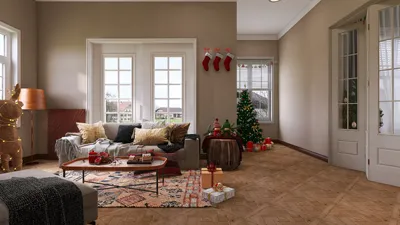


American Furniture Style: Defining Craftsmanship and Warmth
American Furniture style stands as a bridge between traditional craftsmanship and functional warmth, rooted deeply in the nation’s history and social context. This design approach respects the legacy of artisanship that emerged from early settlers who relied on durable, accessible materials, blending practicality with detailed handiwork. Far from merely decorative, American Furniture embodies an ethos of longevity and comfort, reflecting the cultural values of homeliness and resilience. It draws from regional influences, including Shaker minimalism, Colonial sturdiness, and Mid-century modern simplicity, creating a nuanced aesthetic that speaks both to nostalgia and enduring quality. The style’s foundational philosophy rests on creating furniture that not only serves daily needs but also tells stories through aged textures and thoughtfully crafted joints. It rejects fleeting trends in favor of timeless appeal, emphasizing honest materials and balanced proportions that respond to human scale and domestic rituals. This dedication to authenticity extends to both public and private spaces, where American Furniture anchors interiors with a sense of grounded tradition and modest elegance. Its presence evokes a continuity between past generations and contemporary living, harmonizing rustic charm with refined detailing.
Core Elements of American Furniture Style
Natural Wood Tones and Finishes: One cannot talk about American Furniture without highlighting its intimate relationship with natural wood. Rich, warm hues of cherry, oak, walnut, and maple dominate the palette, often left visible with minimal staining to preserve the wood’s innate character. The surface treatments tend to highlight grain patterns and knots, emphasizing authenticity over artificial perfection. Finishes can range from satin sheens that gently reflect light to more matte options that suggest age and wear, reinforcing a lived-in aesthetic. Wood surfaces frequently bear hand-rubbed or oil-based finishes that deepen the color over time, adding depth and complexity while protecting the material. This color approach creates an inviting warmth in interiors, balancing functionality with organic beauty and reflecting the style’s connection to nature and the land. By prioritizing natural tones, American Furniture rejects overly ornate or synthetic appearances—instilling spaces with honesty and historical continuity.
Robust Construction and Honest Materials: Durability defines the American Furniture silhouette as much as its look. The structural integrity manifests through solid wood frames, dovetail joints, mortise and tenon connections, and classic construction techniques that speak of hand craftsmanship. While modern manufacturing plays a role, the emphasis remains on replicating these time-honored methods to guarantee longevity and functional reliability. Metal accents and hardware typically retain an unpolished or brushed finish, underscoring a sense of utility without excess ornamentation. Upholstery often uses natural fabrics such as linen, leather, or cotton in subdued hues, complementing wooden components rather than overpowering them. This focus on honest materials underscores transparency in production and tactile authenticity. Furniture forms prioritize balance and comfort without unnecessary complexity, allowing each piece to serve as a trustworthy companion throughout decades of use. The resulting ambiance encourages an appreciation for quality rather than quantity, fostering intentional living environments.
Classic and Functional Forms: The formal language of American Furniture avoids abstraction in favor of clarity and human scale. Common elements include sturdy rectangular tables, ladder-back chairs, mission-style bookcases, and tapered legs that taper subtly to ground the piece visually. Ornamentation is restrained and purposeful, often seen through simple moldings, turned spindles, or restrained carvings inspired by folk traditions. Symmetry and proportion reflect a studied balance between aesthetics and usability, ensuring homes feel ordered and harmonious. Comfort integrates seamlessly with design; seats offer ergonomic support, and surfaces accommodate everyday activities without fuss. This form-focused approach reflects a democratic design philosophy — furniture made for real life rather than exhibition. The shapes are timeless, balancing both mass and finesse, eliciting calm and steadiness visually and physically. Each item becomes a heritage object, poised to adapt to changing interior trends without losing identity.
Designing the American Furniture Look
Homestyler’s ‘American Furniture’ offers a comprehensive set of ready-to-use 3D models specifically curated to embody this aesthetic, allowing designers to achieve authentic results with professional-grade textures and forms. These models are invaluable for interior architects and designers seeking to faithfully integrate American style into their projects. By leveraging detailed wood grains, accurate joinery techniques, and period-appropriate components, these 3D resources eliminate guesswork and shortcut production time. Designers can experiment virtually with different pieces, assessing balance and spatial coherence before executing real-world installations. The inclusion of multiple model variations also reflects the diversity within the style — from robust dining tables with tapered legs to leather-upholstered armchairs with exposed wooden frames. This flexibility caters to various project scales, whether residential cottages, farmhouses, or modern homes seeking to ground interiors with traditional craftsmanship. Furthermore, these models accommodate customization, enabling adjustments to finishes and dimensions to suit client needs without compromising structural integrity or stylistic consistency. Overall, using Homestyler’s suite enhances design accuracy, supports meaningful storytelling through furniture selections, and streamlines collaboration between design teams and craftsmen.

coffee table-American Furniture

rug-American Furniture

armchair-American Furniture

wall socket-American Furniture

bathtub-American Furniture

wall lamp-American Furniture
Frequently Asked Questions about American Furniture Style
Q: What distinguishes American Furniture from other traditional furniture styles?
American Furniture is distinguished by its focus on robust construction, honest natural materials, and functional yet timeless forms. Unlike overly ornate European traditional styles, it favors simplicity, durability, and practical elegance that openly showcases wood grain and craftsmanship techniques.
Q: How can I incorporate American Furniture style in a modern interior without it feeling outdated?
Incorporation works best by balancing vintage pieces or replicas with contemporary elements like clean-lined textiles and neutral palettes. Keeping surrounding decor minimal allows the warmth and texture of American Furniture to stand out as focal points without overwhelming the space.
Q: Are there specific woods or finishes that are characteristic for American Furniture?
Yes, characteristic woods include cherry, oak, walnut, and maple, typically finished with satin or matte protective oils that celebrate the wood’s natural markings. Avoiding high-gloss polyurethane finishes preserves authenticity and the understated beauty central to this style.
Homestyler's roots trace back to Autodesk, the global leader in design and engineering software. That heritage lives on in every feature we build. Today, with a community of more than 18 million users worldwide, Homestyler continues to make professional-quality interior design accessible to everyone — from first-time decorators to seasoned architects.
With Homestyler, you can design and visualize your living spaces online with stunning, realistic results.
Design Now for FREE
































