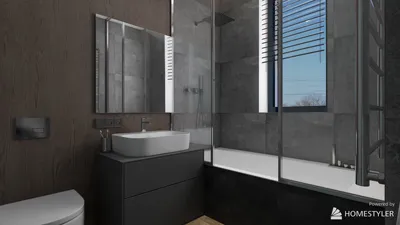


The core challenge of American Furniture style lies in balancing robust traditionalism with adaptable comfort. This aesthetic embraces pieces that are substantial in form yet versatile in use, blending rustic charm with refined utility. Designers must navigate the tension between showcasing solid craftsmanship and maintaining spatial openness, so rooms feel inviting rather than crowded. Authenticity demands preserving the integrity of classic proportions and materials, such as rich woods and leather, while avoiding over-cluttering or incongruous details. The substantial scale of American Furniture requires a discerning approach to room size, circulation paths, and focal points to ensure balance without sacrificing coziness. Achieving this equilibrium involves careful consideration of how furniture occupies and organizes space, emphasizing proportionality and functional grouping. Furthermore, the style challenges designers to craft layered, warm palettes that accentuate natural wood tones and lend character without overwhelming the senses. Lighting strategies must complement this warmth, using both ambient and task sources to bring natural materials to life while expanding or contracting perceived space as needed. Decorative accents serve as subtle but crucial components to underscore the handcrafted ethos, often through artisanal textiles, vintage-inspired objects, or curated nature motifs. Mastering these contradictions—robustness versus flexibility, formality versus comfort, old-world craftsmanship versus modern cohesion—is essential to producing interiors that genuinely evoke American Furniture’s heritage and utility. It’s a style that commands attention for its physical presence but invites leisurely enjoyment through thoughtful spatial and sensory arrangement.
Step 1: Layout Logic — Space Proportion and Furniture Placement
Begin by assessing room dimensions against the scale of American Furniture pieces, which tend to be generous in size and weight. Prioritize spatial clarity; avoid positioning bulky armoires or large sofas too close to walls, as some breathing room around furnishings nurtures an inviting atmosphere. Arrange seating to encourage conversation and viewing focal points such as a fireplace or large window. Group furniture in functional clusters rather than scattering standalone pieces. Measure and map circulation paths to maintain at least 30 inches of clearance between furniture edges and pathways. Use rug placement strategically to anchor seating zones and delineate areas within larger rooms. When incorporating tables, balance their mass with accompanying chairs to prevent visual heaviness. Consider symmetrical layouts that echo the style’s classic roots but remain flexible enough to adapt to irregular floor plans. Avoid overcrowding by selecting key statement furniture rather than filling every corner. The goal is to present American Furniture’s distinctive character without overwhelming the spatial harmony. Allow the furniture’s robust proportions to complement rather than dominate the space through mindful spacing and logical arrangement.
Step 2: Light and Color — Tone Selection and Lighting Pairing
Choose color palettes anchored in warm neutrals like beige, taupe, and muted creams, complemented with rich wood hues such as cherry, walnut, or oak finishes. Incorporate accents in deep earth tones—burgundy, forest green, navy—to reinforce traditional charm. Layer surfaces with natural textures including cotton, linen, or wool to enrich the tactile experience. For lighting, start with layered sources: ambient ceiling fixtures provide general illumination while wall sconces and table lamps add targeted warmth and intimacy. Select bulbs with warm color temperatures (2700K–3000K) to enhance wood grain and fabric hues. Feature lighting should highlight art or architectural details without generating harsh shadows. Utilize window treatments that permit natural light flow during daytime while offering privacy through textured curtains or woven blinds. Reflective surfaces like polished wood and metal hardware subtly bounce light to animate furnishings. Pay attention to dimming capabilities to adjust mood from bright family gatherings to cozy evenings. This considered calibration of color and light amplifies American Furniture’s comforting aura and timeless appeal.
Step 3: Finishing Touches — Small Models Elevate Overall Texture
Incorporate finely crafted decorative models and accessories to enrich authenticity and tactile interest. Opt for artisanal items such as turned wooden bowls, vintage ceramic jars, or woven baskets to echo the handcrafted ethos. Select throw pillows and blankets with subtle patterns or embroidery for layered warmth. Introduce metal accents through candleholders or picture frames in aged brass or bronze finishes that complement wood tones. Use greenery sparingly, with potted plants or dried floral arrangements in ceramic or earthenware pots that reinforce natural themes. Position these items deliberately on side tables, mantels, or shelving to create intentional vignettes that invite closer inspection. Avoid excessive ornamentation which can dilute the style’s grounded spirit; instead, aim for curated simplicity with pieces that tell stories. These small-scale models act as sensory punctuation marks that reinforce authentic materiality and enhance the tactile and visual depth of the overall composition.
Designing the Look
For designers working in Homestyler, the American Furniture is a practical shortcut to authenticity. It removes the guesswork from sourcing — every piece is pre-matched in scale, material, and proportion to deliver a coherent American traditional result.

coffee table-American Furniture

rug-American Furniture

armchair-American Furniture

wall socket-American Furniture

bathtub-American Furniture

wall lamp-American Furniture
FAQ
Q1: How can I ensure American Furniture pieces don’t overcrowd a small living room?
Focus on selecting key statement pieces rather than filling every corner. Use multi-functional furniture with classic proportions, and maintain at least 30 inches clearance for circulation. Opt for lighter wood finishes and complement with neutral wall colors to keep the space from feeling heavy. Incorporate mirrors and layered lighting to visually expand the area.
Q2: What lighting techniques best showcase the textures in American Furniture interiors?
Layered lighting is essential: combine warm ambient lighting with task lamps and accent lights to highlight textures like wood grain and fabric weaves. Use warm white bulbs (2700K-3000K) to enrich natural tones. Adjustable dimmers help shift mood and prevent glare. Reflective surfaces and strategic placement near windows also amplify texture visibility.
Q3: Which decorative accessories harmonize best with American Furniture style without overwhelming it?
Choose artisanal, handcrafted accessories such as turned wooden bowls, woven baskets, vintage ceramics, and metal accents in aged brass or bronze. Use natural textiles with subtle patterns for soft furnishings. Position them deliberately to create curated vignettes, ensuring each piece contributes without cluttering the overall look.
Built on technology originally developed at Autodesk, Homestyler empowers anyone to design beautiful, realistic spaces in minutes. Join over 18 million users who have already discovered a smarter way to plan, visualize, and bring their dream homes to life — all from the comfort of a browser.
Homestyler offers a vast library of furniture and decoration materials to meet all your design needs.
지금 무료로 디자인하세요
































