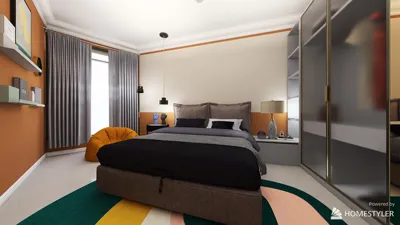


The core challenge of African Style lies in harmonizing bold cultural expressions with functional spatial design. Unlike minimalistic styles that prioritize simplicity, African Style demands a rich interplay of textures, patterns, and colors while maintaining practicality. Designers must balance the vibrancy of indigenous materials such as woven textiles, carved wood, and natural fibers with thoughtful furniture arrangements. This style's beauty is rooted in storytelling through decor elements—each piece reflects a heritage or evokes the spirit of the African landscape. The intrinsic design difficulty comes from avoiding visual clutter without diluting the cultural authenticity. Achieving equilibrium between ornamentation and open space requires decisive planning. Moreover, color dynamics are critical; warm earth tones coexist with vivid accents that can overwhelm if not layered carefully. Lighting must complement these tones to evoke warmth and natural serenity synonymous with African interiors. Ultimately, the challenge rests on creating an environment that feels immersive and inspired rather than chaotic or decorative for decoration’s sake.
Step 1: Layout Logic — Spatial Proportion and Furniture Placement
One of the most tangible challenges in African Style interior design is managing space so that cultural elements shine without overcrowding. Begin by zoning your space based on activity and flow. Use furniture that carries traditional craftsmanship elements—think low-lying, robust wooden stools or woven lounge chairs—but ensure they don't dominate the room’s footprint. Align seating arrangements centrally to encourage communal interaction, a key cultural theme. Avoid placing too many bulky pieces in small areas; instead, select multi-functional items like a carved bench that doubles for storage. Proportions are essential; the scale of furniture should relate harmoniously to the ceiling height and room dimensions. Allow breathing room around statement pieces such as a tribal mask or a handmade rug to let them serve as visual anchors. Tables and consoles with hand-woven rattan panels or hammered metals can provide texture-rich surfaces while maintaining openness. Ensure pathways remain unobstructed, respecting circulation patterns native to traditional African compounds where movement is fluid and intentional. The goal is a spatial rhythm that feels natural and welcoming while preserving authenticity.
Step 2: Light and Color — Tone Selection and Light Source Pairing
Natural light and earth tones form the pillar of African Style interiors. Begin by maximizing sunlight to highlight the textures of wood, clay, and woven fabrics. Use window treatments sparingly, opting for sheer linen or bamboo blinds that diffuse light softly. For artificial lighting, integrate warm-toned bulbs in fixtures crafted from natural materials such as brass lanterns or perforated metals, creating captivating shadow play reminiscent of African sunlight filtering through foliage. Color palettes should build from a base of ochres, sandy beiges, and terracotta reds layered with accents in burnt orange, deep indigo, or zebra prints. Walls painted in muted clay shades provide a grounding backdrop, enabling bright textiles or ceramic art pieces to pop. Avoid cool or pastel colors as they dilute the earthy vibrancy. When pairing lights with color, choose fixtures that highlight feature walls or textured surfaces without stark glare, preserving a cozy and inviting ambiance. Experiment with layered lighting—pendants, floor lamps, and spotlights—to achieve depth and variation, referencing the sun's transition and the shadow textures found in traditional African markets and villages.
Step 3: Signature Details — Small-Scale Models Elevating Overall Texture
Small decorative elements inject personality and cultural narrative into African Style spaces. Focus on authentic crafts: hand-carved wooden figurines, beadwork bowls, woven baskets, and metalwork sculptures. Position these thoughtfully to punctuate seating areas, shelves, or window ledges, serving as focal points that evoke history and artistry. For example, place a cluster of earthenware pots of varying heights near a reading nook to introduce organic asymmetry and texture contrast. Integrate patterned cushions and throws featuring traditional motifs, which simultaneously soften and animate the interior. Use these pieces sparingly but consistently, ensuring they don’t overwhelm but complement the larger architectural features. Incorporate ritualistic objects like masks or musical instruments in display shelves or niches, pairing them with subtle spotlighting to call attention without distraction. Textured rugs woven from natural grasses or dyed fibers anchor space vertically and tactilely, enhancing the layered effect. This careful curation of small-scale artifacts sustains the narrative integrity and tactile richness crucial to African Style.
Designing the Look
For designers working in Homestyler, the African Style is a practical shortcut to authenticity. It removes the guesswork from sourcing — every piece is pre-matched in scale, material, and proportion to deliver a coherent African Style result.

decor item-African Style

rug-African Style

decor item-African Style

wall hanging decor-African Style

decor item-African Style

single sofa-African Style
FAQ
Q: How can I avoid overdecorating when using vibrant African patterns and textures?
A: Balance is key. Limit bold patterns to one or two key elements like cushions or a feature rug, then anchor the rest of the room with neutral, earth-toned backgrounds and solid-colored furniture. This approach prevents sensory overload and maintains cultural depth without clutter.
Q: What lighting fixtures best complement the African Style aesthetic?
A: Fixtures made from natural or handcrafted materials such as woven rattan pendants, rustic metal lanterns, and wooden lamps embody the aesthetic. Warm LED bulbs with adjustable dimming enhance ambiance by mimicking natural light cycles. Combining multiple light sources layered at different heights will add texture and mood.
Q: How do I integrate modern amenities without disrupting the traditional African style?
A: Select modern pieces with natural finishes and simple shapes to harmonize with traditional elements. Conceal technology behind handcrafted cabinetry or within woven baskets to keep lines clean. Blend utility with culture by choosing functional decor items—like storage chests with tribal carvings—to mask modern necessities while adding authenticity.
Built on technology originally developed at Autodesk, Homestyler empowers anyone to design beautiful, realistic spaces in minutes. Join over 18 million users who have already discovered a smarter way to plan, visualize, and bring their dream homes to life — all from the comfort of a browser.
Leverage Homestyler's AI-powered features to quickly generate professional interior design schemes.
Zaprojektuj teraz za darmo
































