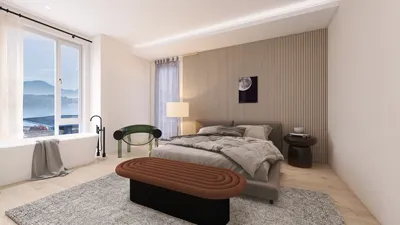


I've come to understand that exceptional interior design rarely stems from a singular viewpoint. The most fulfilling outcomes emerge when friends, family, or colleagues collaborate to create a collective vision—blending various styles, affirming choices, and addressing blind spots early on. Collaborative design isn't merely enjoyable; it also proves to be more effective. Gensler’s Workplace Survey reveals that 44% of employees believe improved collaboration tools enhance their experience and productivity in shared areas, which easily translates into home and hospitality settings. Furthermore, when elements such as lighting, acoustics, and ergonomics are finely tuned together, WELL v2 identifies measurable health benefits, including reduced stress and enhanced cognitive function—precisely what we desire in living rooms, home offices, and creative studios.
Effective collaboration requires structure and visual coherence. Research from Steelcase indicates that environments conducive to co-creation boost engagement and minimize rework—resulting in fewer costly mistakes and quicker decisions. This involves agreeing on layout strategies, determining lighting objectives (with guidelines from the Illuminating Engineering Society suggesting 300–500 lux for task areas), and laying out material constraints from the start. By aligning preferences and performance criteria from the beginning, projects progress efficiently and relationships remain intact.
Create a Unified Vision: From Moodboards to Material Selections
I kick off every collaborative effort with a shared moodboard that includes color references, texture samples, relevant images, and a brief outline of spatial goals. Color psychology significantly influences perceptions—Verywell Mind highlights that blues are often seen as calming and reliable, while yellows tend to evoke feelings of optimism and energy. If one friend prefers Scandinavian neutrals while another favors vibrant color blocks, we can find harmony through a layered palette that incorporates serene base tones, lively accents at focal points, and matte finishes to mitigate glare.
Design the Layout Together
The layout is where many opinions converge—and where using a reliable tool can avert endless debates. I recommend beginning with the simulation of circulatory paths: clear walkways measuring 900–1000 mm, ergonomic reach areas, and sightlines that eliminate visual clutter. For spaces intended for multiple users—like game nights or study gatherings—it’s vital to establish zones for social seating, quiet corners, work surfaces, and storage. Consider utilizing a room layout tool like Homestyler to experiment with scale, traffic flow, and furniture arrangements before finalizing decisions.
Lighting That Works for Everyone
Different individuals have varying sensitivities to lighting, so I incorporate ambient, task, and accent lighting. Aim for a color temperature of 2700–3000K in living areas for warmth; increase it to 3500–4000K in workspaces for heightened alertness. Follow IES recommendations to maintain task zones within the 300–500 lux range, using dimmers to resolve any preference conflicts. Position table lamps to minimize glare on screens and shiny surfaces; bounce ambient light off walls to soften shadows. For those sensitive to light, prioritize indirect sources and matte finishes.
Acoustic Comfort: Maintaining Serenity When Needed
Interiors designed for collaboration often juggle music, conversation, and focused work. To manage reverberation, I utilize a combination of soft textiles (such as rugs, curtains, and upholstered furniture), filled bookcases, and wall panels. Locate noisy appliances—like espresso machines and media speakers—far from study or reading areas. If friends are co-working at home, incorporating felt desk screens and closely grained wood helps dampen mid-frequency sounds while preserving a warm aesthetic.
Furniture: Prioritizing Ergonomics and Flexibility
In spaces shared by multiple users, adjustability is key. Look for chairs with lumbar support and adjustable height, tables at heights of 710–740 mm for dining and 740–760 mm for work, alongside mobile elements for easy reconfiguring. A lightweight side table can be moved between seating clusters as needed. Encourage each occupant to test the seat depth and armrest height—human factors often vary more than we realize based on digital layouts.
Color Strategy for Group Cohesion
Color disagreements are a common challenge, so I recommend anchoring with a neutral foundation (such as warm gray, soft beige, or muted olive) while utilizing bold colors in changeable components—like art, cushions, and a single accent wall. Utilize bright colors in spaces intended for energy (such as the entryway, kitchen, or creative areas) and calming hues in relaxation zones (such as bedrooms or reading corners). Maintain harmony through repetition: incorporating one accent color across three to four elements keeps the color scheme cohesive.
Materials with a Focus on Sustainability
Different individuals often have distinct priorities—some prioritize durability while others focus on environmental concerns. Achieve a balance by selecting low-VOC paints, FSC-certified wood, and high-performance fabrics that resist stains without appearing artificial. For surfaces that need to endure heavy usage (such as co-working or crafting), opt for high-pressure laminates or dense hardwoods for worktops. In a communal living room, consider combining a natural fiber rug with a recycled polyester throw to enhance durability and comfort.
Storage Solutions That Maintain Calmness
Clutter can detract from collaboration. Therefore, I suggest a tiered storage approach: closed units for visual tranquility, open shelves for showcasing items, and baskets for quick clean-ups. Assign specific zones—where each person has a designated cubby or tray—to facilitate easy resetting of shared areas after activities.
Co-create the Flow: Scenario Testing
I conduct scenario planning exercises with friends: movie nights for six, study sessions for two, and crafting afternoons for three. We simulate seating arrangements, access to power outlets, and ensure that pathways remain unobstructed. A layout simulation tool like Homestyler makes these tests straightforward and saves time when rearranging bulky furniture.
Decision Framework: Navigating Taste Conflicts
When opinions diverge, I adhere to a three-step approach: prioritize functionality (does it support our lifestyle?), context (does it harmonize with the room's scale and lighting?), and lastly, style (can we echo this choice elsewhere for overall consistency?). If a bold sofa creates division, consider opting for a more neutral couch and introducing vibrant hues through art and cushions, allowing everyone to enjoy the ambiance without confining the space to a singular aesthetic.
Visualize Together, Commit with Assurance
Visualization transforms discussions into decisions. Utilize a shared 3D viewer to examine sightlines, proportions, and lighting nuances. An interior layout planner, such as Homestyler, enables friends to navigate the space digitally, diminish surprises, and finalize purchases with confidence.
FAQ
Establish a soothing neutral base, then delegate accent color opportunities to each participant. Implement changeable components—such as cushions, artwork, and throws—so that modifications carry minimal risk. Leverage color psychology to determine where energy or calm is most beneficial.
Maintain ambient lighting around 150–300 lux, with task areas at 300–500 lux as per IES guidelines. Use warmer tones (2700–3000K) in living spaces and cooler shades (3500–4000K) in focused areas. Integrate dimmers to accommodate individual preferences.
Designate activity zones and incorporate soft, sound-absorbing materials—like rugs, curtains, and felt screens. Position noisier tasks away from study or reading spaces. Shelves and upholstered furnishings can effectively manage echoing sounds.
Opt for adjustable seating with lumbar support, assess seat depth and armrest height, and maintain flexible tables. Ensure clear walk paths of 900–1000 mm. Let each individual trial seating before making purchases.
Absolutely. Utilize a collaborative room design visualization tool like Homestyler to assess furniture placement, circulation, and lighting areas together in real time. Save multiple configurations and seek consensus before making purchases.
Establish tiered storage solutions: closed units for bulk items, open shelves for displaying, and baskets for swift organization. Assign personal zones to everyone, and standardize labels to expedite clean-ups.
Adhere to evidence-based standards: IES illumination levels for tasks and WELL v2 guidelines for light, acoustics, and air quality. Research from Steelcase and Gensler underscores the significance of co-creation in enhancing engagement and minimizing design revisions.
Select low-VOC finishes, FSC-certified wood, and durable textiles. For high-use work surfaces, choose high-pressure laminates or sturdy hardwoods, and integrate natural fiber rugs with recycled elements in living areas.
Divide expenses based on zone ownership (e.g., work corner versus social area) and prepare a contingency for shared items. Early visualization helps avoid returns and waste associated with shipping.
Employ the three-step framework: function, context, and then style. Consider a neutral base to anchor the design and express vibrancy through accents—allowing for adaptability as preferences evolve.



2 Piece Velvet Upholstered Sofa Sets,Loveseat and
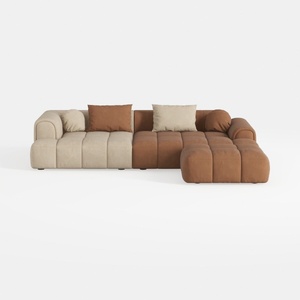
Modern Velvet Sectional Sofa, U Shape Minimalist M
Homestyler is a fantastic online home design platform perfect for all your decorating needs. With its user-friendly design tool, stunning 3D renderings, diverse design projects, and helpful video tutorials, you’ll effortlessly transform your vision into reality. Start designing your dream home today!
지금 무료로 디자인하세요
































