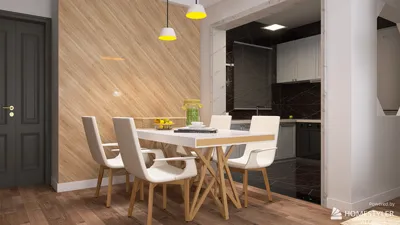


Having designed numerous studio apartments, I've witnessed how a single, clever divider can dramatically improve living conditions—transforming a compact, one-room unit into a well-organized home that offers privacy, purpose, and tranquility. The key is to harmonize visual separation with elements like light, acoustics, and ergonomics, allowing the space to feel open and airy.
Research consistently indicates the importance of thoughtful spatial zoning. According to Gensler’s U.S. Workplace Survey, environments that provide choices increase focus and productivity; the same principle applies to studio apartments where distinct task zones are beneficial. Additionally, the WELL v2 standard highlights the significance of visual and acoustic comfort, emphasizing that managing glare and ensuring balanced lighting are crucial for reducing eye strain and fatigue. I target ambient light levels between 300-500 lux, with task lighting layered in accordance with IES standards, making sure that dividers do not obstruct essential daylight or create harsh contrast. For color psychology, using muted warm neutrals on partitions can decrease arousal and promote calmness, as outlined in VerywellMind’s exploration of color psychology.
Even in a 500–600 square foot studio, ergonomics are vital. Research from Steelcase has established a link between varying postures and enhanced comfort and productivity. Dividers that accommodate multiple postures, like standing ledges and cozy sitting nooks, contribute to overall well-being. Additionally, I ensure passageways are a minimum of 30-32 inches to facilitate safe movement, and I refrain from using thick dividers that block light near windows. Thoughtful dividers shape intentions—whether it’s creating a focused work area, ensuring comfortable sleep, or fostering a welcoming social environment.
Essential Principles for Building Your Studio
• Maximize daylight: Position dividers perpendicular to windows or utilize translucent materials near glass surfaces to preserve visibility to at least one window.
• Control glare and contrast: Integrate diffused task lighting on both sides of a divider. Adhere to IES guidelines for layered lighting and avoid glossy finishes that reflect glare.
• Acknowledge foot traffic: Ensure primary walkways remain clear at 30-36 inches. Ideally, have distinct paths to the bed and the kitchen to streamline daily activities.
• Optimize acoustics: Soft materials like felt, cork, and fabric near dividers absorb sound and limit speech transmission, while rugs and upholstered items enhance the acoustic environment.
• Appropriately size massing: Utilize lower or translucent options near windows and taller structures against solid walls. This maintains spatial harmony and prevents the common issue of obstructing light.
Effective DIY Divider Ideas
1) Slatted wood screens: A classic method to create space while maintaining light and airflow. Use slats measuring 1x2 or 1x3 with 1-1.5 inch gaps, finished with a matte clear coat to minimize glare. Secure with freestanding feet or tension posts for renter-friendliness.
2) Curtain systems: Mount heavy-duty ceiling tracks with linen or acoustically rated fabric for instant privacy and adaptability. Layer lightweight sheers for daytime comfort and blackout panels for nighttime. Incorporate weights or chains at the bottom to prevent billowing.
3) Bookcase walls: Open-back shelving provides both storage and separation. Maintain a top shelf below 72-78 inches to keep the space feeling open; vary object density to allow light to filter through. Secure with anti-tip brackets.
4) Sliding panels: Lightweight panels made from plywood or polycarbonate can be hung on ceiling rails to create flexible boundaries. Frosted polycarbonate allows soft silhouettes while letting in daylight, and using soft-close hardware helps reduce noise.
5) Folding screens: Hinged frames made of fabric, cane, or perforated metal can be easily moved and adjusted. Adding felt pads on the feet protects floors while slightly angling the panels enhances stability and reduces echo.
6) Planter partitions: Utilize tall plants like Ficus lyrata or Dracaena combined with a narrow bench to create a living divider. Choose low-VOC planters with drip trays and warm-neutral LED grow lights to promote healthy growth.
7) Pegboard + felt hybrid: Mix a birch pegboard setup with removable felt tiles. Pegs can support shelves and hooks, while felt tiles help absorb sound. Ensure perforations are aligned for intuitive organization.
8) Rope or cord curtains: Hanging tight arrays of natural cotton or jute cords for visual separation while maintaining high permeability. Space cords 1-2 inches apart to avoid tangling; treat with flame retardant for safety in kitchen areas.
Effective Layout Strategy: Organizing a Studio for Everyday Activities
I usually start by establishing a primary anchor zone—often the bed—to create a designated quiet area. The work zone is paired with a divider to obstruct direct views of the bed from the entryway. A slender bookcase or slatted screen typically separates living and sleeping spaces, complemented with a curtain layer for guests. Utilizing a room layout tool can assist in visualizing circulation paths, light ingress, and furniture spacing.
Light, Color, and Visual Harmony
The impact of color on mood and spatial perception cannot be overstated. Using warm-neutral dividers (like taupe and sandy shades with 20–40 LRV) diminishes contrast edges, allowing studios to feel more spacious and serene. Consider placing accent colors on movable items rather than on large divider surfaces to maintain visual clarity. Aim for a correlated color temperature around 3000-3500K for evening relaxation, adding 4000K task lights for detail-oriented work. Glare management is essential; diffusers and matte finishes should be utilized to ensure that luminance is gentle on the eyes.
Acoustic Comfort in Compact Spaces
Studios can quickly amplify sound. Using layers for absorbency, such as fabric curtain dividers, rugs with substantial underlays, upholstered seating, and felt pinboards, can significantly enhance acoustics. Perforated panels with acoustic backing offer separation without added bulk, while placing soft materials at sound reflection points can help minimize echo.
Material Choices and Sustainability
Opt for low-VOC finishes, FSC-certified wood, and recycled PET felt options. Materials like cane, cork, and linoleum deliver warmth with a lower carbon footprint. In kitchen areas, use sealed hardwood or powder-coated aluminum for durability. For sourcing innovative materials, exploring Material ConneXion’s library can provide valuable insights on properties and sustainability.
Human Factors: Scale and Touch Points
Divider height should ideally respect human scale, ranging from 60–72 inches to ensure clear sightlines for seated and standing positions while keeping ceilings feeling high. Ensure edges are rounded at hand height (30–42 inches) to prevent accidental bumps. Integrate ledges around 40–42 inches for convenience, and add hooks at 60 inches for bags. If your divider is adjacent to a desk, be sure to check for adequate knee clearance and reach ranges to maintain ergonomic standards.
Step-By-Step: Crafting a Slatted Screen
• Frame: Build a rectangular structure using 1x3 poplar, securing with pocket screws; square and fasten with clamps.
• Slats: Either cut your own or purchase 1x2 slats, ensuring consistent spacing of 1-1.25 inches with temporary spacers.
• Finish: Sand down to a smooth 180-220 grit, then apply a low-sheen water-based matte poly for easy upkeep.
• Stability: Use wide feet or install tension posts to securely hold the screen in place without damaging walls.
• Lighting: Attach a slim LED batten behind the slats to add a gentle glow without exposing bare bulbs.
Safety and Renting Considerations
Employ non-invasive fastenings, like tension systems, floor plates, and adjustable feet. Implement anti-tip straps on taller bookcase dividers. Ensure that clearances comply with local codes to avoid placing fabric dividers in hazardous zones or near heating sources. Opt for reversible finishes and designs that can fit through elevators and stairwells during move-outs.
Budgeting and Phasing Upgrades
I advise introducing upgrades in phases: start with curtains for an instant and budget-friendly change, followed by a bookcase for added storage, and finally integrate sliding panels if the layout proves effective. I often suggest clients trial a temporary solution for about four weeks, monitoring their habits before committing to a permanent divider based on observed behavior.
Frequent Questions
Q1: What is the ideal height for dividers in a studio?
A: Typically, 60 to 72 inches effectively screens sightlines while maintaining a sense of openness. Taller designs work best against solid walls, while lower or translucent options should be utilized near windows.
Q2: Will adding a divider make my studio feel cramped?
A: It might, unless you carefully manage lighting and visual continuity. Implement open shelving, slats, or translucent panels, and keep pathways unobstructed (30-36 inches). Balanced lighting is also important to prevent heavy shadows that could diminish perceived space.
Q3: What materials are most effective for enhancing acoustics?
A: Fabric curtains with acoustic linings, PET felt panels, cork, and rugs with dense underlayers are great options. Additionally, perforated wood with acoustic backing can effectively absorb high-mid frequencies.
Q4: Is it possible to have a divider that also provides storage?
A: Yes, open-back bookcases are ideal for this purpose. Ensure object density is staggered to promote light accessibility, and always secure units using tension posts or safety straps for stability.
Q5: How do I effectively plan the layout prior to construction?
A: Identify zones (sleep, work, living) and assess movement paths. Utilizing a layout simulation tool can help visualize clearances and daylight optimization; try resources like an interior layout planner for assistance.
Q6: What sort of lighting setup is advisable when using fabric curtains?
A: Combine ambient lighting (300-500 lux) with diffuse task illumination. Aim for color temperatures between 3000-3500K for comfort; avoid bare bulbs behind the curtains to prevent glare patches.
Q7: Are tension systems safe for renters?
A: Certainly, provided they are correctly installed with robust feet and quality tension posts. Always check load ratings and consider adding secondary safety straps for taller shelving units.
Q8: Which color choices help a studio environment feel more serene?
A: Warm neutrals with moderate light reflectance (LRV 20-40) can diminish contrast and clutter. Accents can be effectively placed on smaller, movable items to maintain a subtle backdrop.
Q9: How can I prevent blocking HVAC outlets or radiators?
A: Ensure you maintain clearances as per manufacturer guidelines, opt for open or elevated bases to enhance airflow, and refrain from placing fabric dividers too close to heat sources.
Q10: Are plants a viable option for functionally dividing space?
A: Absolutely. Dense plant arrangements, paired with narrow benches or lattice frames, can create effective barriers. Be sure to incorporate drip trays and warm-neutral LED grow lights to ensure healthy plant growth.
Homestyler is your go-to online home design platform, perfect for turning your ideas into reality. With its user-friendly design tool, stunning 3D renderings, diverse design projects, and helpful video tutorials, you can effortlessly create and visualize your dream space—whether you're a beginner or a seasoned decorator!
今すぐ无料でデザイン
































