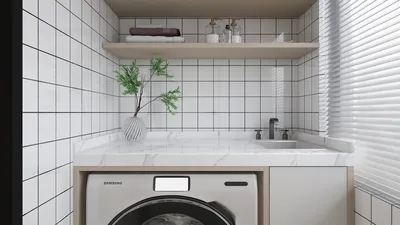


I once created an attractive built-in bench for a laundry room closet, only to realize I hadn’t accounted for space for the laundry basket—an all-too-common mistake for beginners. My client appreciated the innovative solution I devised by transforming that error into a pull-out hamper, which ignited my enthusiasm for clever bench designs. The challenges of small spaces compel you to think outside the box, leading to the best laundry bench concepts; I often begin my designs influenced by local space planning inspirations I have collected.
1. Built-in bench featuring a concealed hamper
I adore benches that help conceal clutter: a lid that opens or a front panel that drops down to access a hamper compartment. The benefits are clear—sleek aesthetics and immediate seating options—but it’s crucial to consider airflow and access. Incorporating perforated panels or detachable fabric bags ensures ventilation and makes upkeep easy.
save pin
2. Flip-up folding station bench
In spaces where every inch counts, a slim bench with a hinge mechanism that opens to reveal a folding area is invaluable. This multifunctional piece serves as both seating and a quick folding table, ideal for those who prefer to organize clothes in the laundry space. The main challenge lies in ensuring that the hinge mechanism is sturdy and operates quietly—investing in soft-close hardware is a smart choice for added convenience.
save pin
3. Open-shelf bench with baskets for modular organization
Incorporating open cubbies beneath a bench allows me to creatively combine baskets, bins, and cube hampers for sorting purposes. I’ve designed setups with labeled wicker baskets and others featuring washable canvas—they both offer a cozy look and are easy to interchange. When crafting a combined kitchen-laundry area, consider adopting ergonomic kitchen workflow ideas to position benches and storage solutions for maximum efficiency in your daily tasks.
save pin
4. Bench with a pull-out ironing or utility board
If you’re frustrated with ironing boards cluttering your hallway, a pull-out board cleverly stored beneath a bench is a fantastic solution. It keeps your space organized and simplifies quick touch-ups. The only consideration is carefully planning the sliding mechanism and ensuring there’s enough space when it’s extended; I often prototype the swing and slide paths to prevent any miscalculations—visualizing designs with tools like Homestyler really helps catch tight fits.
save pin
5. Slim bench with vertical storage and hanging hooks
For cramped passages, I recommend a sleek bench with shallow shelving and vertical peg storage overhead. This setup provides both a seating option and a handy spot for delicate items or damp outerwear. It's cost-effective and easy to construct, although it offers less concealment for storage—so consider pairing it with wall-mounted bins or a tall cabinet for additional capacity if needed.
save pin
FAQ
Q1: What is the ideal height for a laundry bench?
Typically, a comfortable bench height is around 17–19 inches for sitting, akin to standard dining chair heights. If you intend to use it for folding as well, think about a slightly elevated surface (approximately 34–36 inches) or incorporate a flip-up table to facilitate ergonomic folding.
Q2: Which materials are most suitable for a laundry bench?
Moisture-resistant plywood or marine-grade MDF with a durable finish is an excellent choice; while solid wood can be aesthetically pleasing, it requires proper sealing. For the surfaces, laminate or butcher block materials with appropriate seals provide a balance of appearance and durability.
Q3: How can I ensure ventilation for a concealed hamper?
Integrate perforated panels, mesh inserts, or ventilation slots to minimize odors and prevent mold buildup. Additionally, removable cloth bags make washing the hamper liner effortless.
Q4: Is it advisable to create DIY benches?
DIY efforts can be beneficial if you possess basic carpentry skills—many of my favorite benches originated from weekend projects. For more intricate pull-out designs or built-in cabinetry, enlisting a contractor or cabinetmaker can save time and guarantee flawless operation.
Q5: What is the budget range for a built-in laundry bench?
Anticipate varying costs: a straightforward DIY bench can be constructed for under $200, whereas custom built-ins with hardware and finishes typically range from $800 to $2,500. Consider where to allocate your expenditures—investing in quality hardware and robust surfaces is worthwhile.
Q6: Can a laundry bench incorporate electrical outlets?
Absolutely—if you plan to utilize an iron, a charging station, or small appliances, ensure you include outlets during the planning phase. It's essential to have a licensed electrician install them to comply with local regulations and guarantee safety.
Q7: How should I strategically plan bench placement in awkward layouts?
Start with a simple mock-up using cardboard or painter’s tape to delineate dimensions on the floor, checking for adequate swing clearances. For meticulous planning and quick exploration of options, many designers utilize digital planners and 3D mockups, such as Homestyler, to visualize their designs effectively.
Q8: Where can I access reliable design support?
Organizations like the National Kitchen & Bath Association (NKBA) offer standards and resources regarding workflow and ergonomics; check their website at https://www.nkba.org for comprehensive guidance. Their recommendations serve as excellent references for designing laundry and utility areas.
save pin
Looking to transform your space? Homestyler makes home design easy and fun! With its user-friendly online design tool, stunning 3D renderings, and a wealth of DIY video tutorials, you can create your dream interior effortlessly. Explore endless design possibilities today!
Дизайн сейчас бесплатно
































