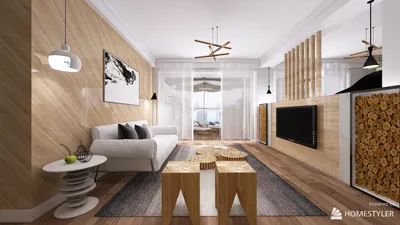


In a past project, I had a client with a unique request to create a hidden tea station within her office cabinets. This experience taught me that built-in furniture can be both clever and highly functional. Small spaces encourage innovative thinking, which is part of the excitement in design. If you're in search of effective storage solutions that are compact yet powerful, consider these five strategies drawn from real projects, along with one that was particularly challenging. For layout inspiration, be sure to explore smart office design studies using tools like Homestyler.
1. Full-Height Built-ins Featuring a Fold-Down Desk
I am particularly fond of incorporating full-height cabinetry that integrates a fold-down desk. This solution transforms from a workspace during the day to a stylish panel at night. It maximizes storage without occupying valuable floor space; however, precise fittings and quality hardware are essential to prevent sagging over time. A budget-friendly option is to construct plywood carcasses with veneer finishes, offering a premium appearance at a lower price.
save pin
2. Tall Storage Solutions by Windows
Strategically placing tall, narrow cabinets around the windows while adding open shelving can promote light and a spacious feel. This approach takes advantage of vertical storage, creating an airy ambiance, though it does sacrifice some deep storage potential for larger files. In one instance, I cleverly fit archive drawers into a 20cm recess, resulting in a small engineering success accompanied by a very satisfied client.
save pin
3. Combined Filing and Tech Hub
Design a lockable filing drawer beneath a shallow pull-out shelf for a printer and ensure cable access is discreetly managed via removable panels. This setup keeps clutter out of sight while maintaining easy tech access; the key consideration is to plan for ventilation and cord management effectively. To visualize layout and clearances, I often utilize immersive 3D design tools like Homestyler before finalizing the joinery.
save pin
4. Floating Cabinets for an Airy Feel
Installing cabinets several inches above the floor enhances the perception of space and facilitates easier cleaning. This modern approach adds a light feel to the room, but requires robust wall supports or a backing rail; heavier items should ideally be stored in lower units. In a rental project, I opted for modular floating cabinets to allow the tenant flexibility for future reconfigurations—something that's often overlooked.
save pin
5. Versatile Nook with Sliding Doors
Establish a dedicated nook featuring sliding doors that can conceal a comprehensive workstation and shelving—visible for work, and hidden for personal use. The sliding mechanism maintains a slim profile, although it presents minor challenges like potential noise from the hardware or track issues. For cutting-edge ideas, think about integrating furniture design with platforms like Homestyler to quickly generate variations.
save pin
FAQ
Q1: What materials are optimal for built-in office cabinets?
Using solid plywood with veneer faces provides a good balance between cost and longevity; MDF with a high-quality finish is great for achieving painted finishes. It's wise to steer clear of lower-grade particleboard, especially in humid conditions.
Q2: What should be the cabinet depth for an office?
Conventional base cabinet depths are generally 600mm for work surfaces; however, shallower units at 300–400mm are ideal for storage or books to keep pathways unobstructed.
Q3: Do built-in cabinets enhance a home's market value?
Indeed, custom storage solutions executed well can add significant value and appeal, particularly in smaller homes where efficient storage is highly desirable.
Q4: How should I approach electrical and cable planning in built-ins?
It's important to pre-plan dedicated outlets, surge protectors, and space for cable management before the installation of carcasses. I make it a point to sketch out the tech hub early to avoid cord entrapment issues.
Q5: Are sliding doors more efficient than hinged ones for compact offices?
Sliding doors maximize space without requiring additional swing area and offer a streamlined appearance. However, they do require maintenance and might be noisier; choose based on your usage and budget considerations.
Q6: What budget should I allocate for custom built-ins?
Budgeting can vary greatly: anticipate costs ranging from affordable modular kits to high-end custom joinery. Always obtain multiple quotes and prioritize hardware and hinges in your budget considerations.
Q7: What common installation issues should I be aware of?
Common pitfalls include misaligned walls, overlooked utility routes, and inadequate hardware specifications. A meticulous site template (measured several times) can prevent many headaches.
Q8: Are there specific design guidelines I should follow?
Absolutely—consider ergonomic standards for desk heights and storage access. For best practices concerning kitchen and work ergonomics, reference resources from the National Kitchen & Bath Association (NKBA) for layout standards that can also apply to smaller workplaces.
save pin
Discover your dream space with Homestyler! This user-friendly online design platform offers a robust design tool, stunning 3D renderings, and a wealth of DIY video tutorials. Whether you're a novice or a seasoned designer, Homestyler makes transforming your home ideas into reality effortless and fun!
지금 무료로 디자인하세요
































