

I view home hallways as essential social pathways that set a welcoming tone from the moment you step inside and endure daily foot traffic. Selecting the appropriate tile—considering factors such as pattern, size, finish, and color—can not only elevate the aesthetics but also address performance needs like slip resistance, acoustics, and ease of cleaning. In high-traffic residential areas, the durability of the tile plays a significant role; according to Steelcase research, well-designed environments that promote smooth movement can enhance both perceived productivity and overall user satisfaction, leading to a more serene daily routine. The WELL v2 standard also emphasizes the importance of light quality and glare reduction for visual comfort, reminding us to balance reflective tile finishes with suitable lighting levels.
Lighting plays a crucial, yet often understated, role alongside tile. I adhere to IES recommendations, which suggest establishing ambient lighting levels in residential circulation areas at about 100–200 lux, and increasing targeted accents by up to 300 lux near artwork or decorative tables to create visual hierarchy. Subtle color influences can affect mood; Verywell Mind's color psychology insights indicate that warm neutrals and muted blues can alleviate stress, fostering a welcoming atmosphere. This knowledge influences my tile choices: I prefer low-gloss finishes to minimize glare, mid-value shades to avoid visual fatigue, and understated patterns that maintain a clean look from a distance, often aided by tools like Homestyler.
Selecting Tile Materials for Hallways
Choosing the right materials involves balancing resilience, maintenance, and tactile experience. I often opt for porcelain for hallways due to its density, stain resistance, and availability in slip-resistant finishes. While natural stone, such as limestone, travertine, and marble, adds elegance, I reserve it for spaces with controlled foot traffic and diligent maintenance. Engineered terrazzo offers a modern visual appeal along with impressive durability. Additionally, for enhanced acoustics—an oft-overlooked factor—matte textures and larger tiles help reduce noise reflections better than glossy surfaces. Combining tile with well-placed area rugs can further help manage sound in long corridors, creating a harmonious space.
Tile Size and Perception
Utilizing larger-format tiles (24×24 in / 600×600 mm and larger) minimizes grout lines, contributing to a tranquil visual effect, particularly beneficial in narrow hallways. Rectangular planks (6×24 in / 150×600 mm) laid in patterns like herringbone or chevron can create a sense of movement, elongating the space for a gallery-like ambiance. Micro-beveled edges aid in tactile transitions without trapping debris. I carefully select grout colors to either match the tile or slightly contrast—using tone-on-tone for a seamless effect or a one-step darker grout to subtly outline patterns while maintaining visual clarity.
Effective Pattern Strategies
Patterns dictate flow and spatial dynamics. Classic designs such as running bond or chevron effectively direct movement toward focal points, while basketweave or two-tone checkerboard patterns can establish a rhythm, making them ideal for historic homes where hallways serve as a stylistic backbone. I incorporate borders to frame doorways or visually expand narrower spaces—an understated perimeter band in a slightly darker tile can add a touch of sophistication, enhancing the hallway's overall appearance.
Color and Finish: Light Behavior and Psychology
The color temperature of your lighting plays a critical role in how tiles appear. Warm LED lights (2700–3000K) complement earthy tones such as taupe, sand, and warm grays, while neutral white (3500–4000K) enhances cool grays and stone-inspired porcelains. According to Verywell Mind’s insights, soft blues and greens can help to alleviate anxiety; in terms of tile selection, this translates into choosing porcelain with soft slate-blue shades or sage undertones that promote a calming environment. High-polished finishes are best avoided in lengthy corridors due to glare and slip risks; instead, I recommend satin or honed finishes. If using polished stone, it is advisable to balance it with low-glare lighting and textured runners.
Ensuring Slip Resistance and Safety
Hallways are transitional spaces between rooms, thus careful attention to detail is vital. I recommend tiles with slip-resistant ratings fit for residential use, particularly near entryways where moisture from shoes can pose issues. Transition details are important: employing slim metal trims or flush-set profiles help eliminate tripping hazards. If a hallway connects to timber floors, selecting a tile that complements the wood—such as warm gray porcelain alongside mid-oak planks, connected with matching metal trim—can provide a seamless transition.
Layout and Visualization Planning
A well-measured plan can effectively save time and expenses. I analyze sightlines—like from the entryway to the living area, or from the hallway to the staircase—and position feature patterns where the eye naturally gravitates. For intricate corridors with recesses or archways, testing various layout simulations can significantly assist in identifying the optimal pattern density and border width. Using a room layout tool like Homestyler to visualize herringbone or checkerboard arrangements based on actual hallway dimensions can greatly enhance planning accuracy.
Acoustic Comfort in Tiled Hallways
Tiles can enhance auditory clarity yet can also amplify sound. To address this, I pair tile with soft elements—runners equipped with thick underlays, upholstered seating, and textured wall coverings contribute to noise absorption. Art placement is also impactful: larger canvases or fabric panels can mitigate mid- to high-frequency sound reflections, fostering a more conversational atmosphere in family homes, thus reducing the echo effect in the hall.
Focus on Maintenance and Longevity
Selecting surface treatments that facilitate easy upkeep is crucial. Porcelain's low water absorption makes it resistant to stains, while honed finishes exhibit fewer micro-scratches. I often choose stain-resistant or epoxy grout for high-traffic corridors. A seasonal refresh consisting of deep cleaning and resealing for natural stone maintains the pristine appearance without excessive upkeep.
Design Concepts: Inspiration for Everyone
- Minimal Monochrome: Large-format warm gray porcelain paired with tone-on-tone grout, featuring a satin finish and concealed baseboards for a sleek, architectural look that endures daily wear.
- Heritage Checkerboard: A 12×12 inch black-and-ivory porcelain checkerboard framed with a slim marble border, best complemented by warm lighting around 3000K for a classic and inviting atmosphere.
- Contemporary Terrazzo: Subtle terrazzo with fine aggregate, brushed brass transitions, and neutral white lighting set to 3500K to accentuate details without producing glare.
- Chevron Gallery: Light oak tone porcelain planks arranged in chevron style, with a 4-inch perimeter band around them, working harmoniously with hanging artwork and accent lighting.
- Stone-Look Serenity: Honed limestone-look porcelain combined with soft sage wall colors and muted runners to maintain a balance of sound and light throughout the hallway.
Human Dynamics and Flow
Hallways excel when they facilitate smooth movement. I target a minimum clear walking path of 36–42 inches in standard homes, ensuring that console depths remain around 12–14 inches to prevent obstruction. Visual cues—like pattern direction, border framing, and focal lighting—aid in encouraging intuitive navigation, particularly essential in multi-generational households.
Sustainability and Material Awareness
Whenever possible, seek tiles containing recycled materials, low-VOC adhesives, and locally sourced products. Many porcelain manufacturers now provide environmental product declarations. Pairing these tiles with energy-efficient LED lighting that features dimmable options helps adjust brightness based on the time of day, further reducing energy usage while ensuring visual comfort.
Resources for Further Reading
For readers interested in deeper research: The WELL Building Standard v2 (covering visual comfort and materials) and Steelcase workplace studies on movement and satisfaction provide valuable insights for residential hall design.
WELL v2
Steelcase Research
Frequently Asked Questions
Q1: What tile finish is ideal for a long hallway?
A satin or honed finish strikes the perfect balance between reflection and slip resistance, mitigating glare from linear lighting.
Q2: How can I create the illusion of a wider hallway?
Opt for large-format tiles with tone-on-tone grout and introduce a subtle perimeter border to visually widen the space.
Q3: Which tile patterns enhance navigation?
Chevron or running bond patterns gently lead movement towards focal areas, while checkerboard designs introduce rhythm without imposing direction.
Q4: What colors in tiles foster a friendly atmosphere?
Warm neutrals, gentle blues, or soft greens can establish a calming environment according to color psychology; utilize lighting in the 2700–3000K range for added warmth.
Q5: What’s the ideal lighting level for a hallway?
Aim for ambient lighting at approximately 100–200 lux, using accent lights around 300 lux for art and focal points, consistent with common residential guidelines and IES recommendations.
Q6: Are natural stone tiles a practical choice for busy households?
Yes, provided there’s a commitment to maintenance: honed finishes, regular resealing, and slip-aware thresholds are essential.
Q7: How can I minimize echo in a tiled hallway?
Incorporate runners with dense underlay, upholstered seating options, and textured wall treatments; distribute soft materials evenly along the corridor.
Q8: What grout technique looks cleanest?
Tone-on-tone grout minimizes the visibility of the grid; utilize stain-resistant or epoxy grout for durability in high-traffic zones.
Q9: Are tile plank designs suitable for historic homes?
Certainly. Chevron or herringbone patterns in wood-look porcelain can create a classic aesthetic while enhancing durability.
Q10: How can I effectively plan my tile layout before installation?
Experiment with scale, pattern, and border widths using a room layout tool to validate sightlines and transitions prior to making a commitment.
What began as an Autodesk innovation has evolved into a design platform used by more than 18 million people around the globe. Homestyler combines powerful rendering, an intuitive editor, and a vast furniture library to help you turn inspiration into photorealistic designs — whether you're redesigning a single room or planning an entire home.

Bohemian Rattan Woven Pendant Lamp 3D Model

Modern Black Brass Wall Lamp Minimalist Decorative 3D Model
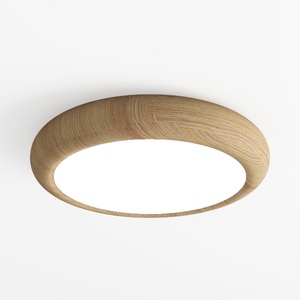
Minimalist Oak Wood Flush Mount Ceiling Lamp 3D Model
Homestyler is your go-to online home design platform! With its user-friendly design tool, stunning 3D renderings, and a wealth of DIY video tutorials, you'll effortlessly transform your space into a dream home. Explore unique design projects and bring your vision to life today!
今すぐ无料でデザイン
































