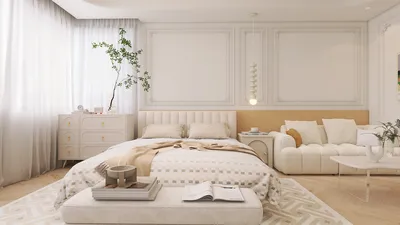


Many people frequently ask me: "What wattage LED bulb should I choose for my space?" The truthful response is that while wattage is a starting point, the essential factor is achieving the appropriate lumen level, paired with a comfortable color temperature and effective light distribution. Remember, watts measure energy consumption, while lumens quantify light output. For instance, a modern LED bulb rated at 9-12 W typically emits around 800-1100 lumens, which is roughly equivalent to the older 60-75 W incandescent bulbs. The objective is to align the total lumens produced with the room’s purpose and size, and then determine the corresponding LED wattage required.
As a general guideline, residential ambient lighting usually performs optimally within 10-20 footcandles (fc), which translates to approximately 100-200 lux. Specific task areas, such as kitchen counters, desks, and vanities, often require higher illuminance levels of 30-50 fc (≈ 300-500 lux). The Illuminating Engineering Society (IES) suggests even higher illuminance for detailed tasks and advocates for layered lighting strategies to achieve uniform illumination and visual comfort. In office environments, the WELL v2 standard aims for approximately 300 lux at desks for routine tasks, increasing to 500 lux for precision work. These recommendations can guide you in calculating the lumens you need for each room prior to deciding on LED wattage.
How to Determine LED Wattage Based on Lumen Requirements
Begin by setting lumen goals instead of wattage. Calculate total lumens by multiplying the area of the room by the desired lux level (Lux × m² = lumens). Then, divide that number by the standard LED efficacy (lumens per watt). Most high-quality residential LEDs offer around 80-110 lm/W, while premium options exceed 120 lm/W. For example, a 12 m² bedroom requiring 150 lux will need 1800 lumens. With 100 lm/W LEDs, that equates to roughly 18 W total—this could be achieved by using two 9 W bulbs or one 18 W fixture. For those who prefer footcandles, recall that 1 fc is approximately 10.76 lux. I suggest using 100-150 lux for ambient lighting in bedrooms, 200-300 lux for living spaces, and 300-500 lux for specialized areas such as kitchens.
Quick Reference for Lighting Requirements Room-by-Room
Here are the practical lighting ranges I apply in my projects. Adapt recommendations based on wall finishes (darker colors typically absorb light), ceiling height, and availability of natural light:
Selecting Color Temperature and CRI
The choice of color temperature can significantly affect mood and task performance. Warm white lighting (2700-3000 K) is ideal for bedrooms and living rooms, neutral lighting (3500-4000 K) works best in kitchens and work areas, while cooler temperatures (4000-5000 K) are suitable for garages or laundry rooms. High CRI (90+) helps reveal true colors, which is especially beneficial in kitchens, dressing areas, and bathrooms. According to insights from Verywell Mind, warmer lighting can promote relaxation, while cooler shades enhance alertness; combining this with dimming options can facilitate smooth transitions from day to night.
Light Distribution: Opt for Balance Rather Than Intensity
The perception of light greatly varies based on fixture placement and design. Using multiple lighting sources at lower output levels generally creates a more pleasant ambience than a single, overly intense fixture. When planning your furniture and lighting layout, utilize a room design tool like Homestyler to visualize how fixtures interact with task areas, pathways, and light-reflective surfaces.
Managing Glare for Enhanced Visual Comfort
I strive to maintain comfortable luminance levels while keeping bright light sources out of direct sight. Employ diffusers, baffles, and indirect lighting techniques to soften bright spots and avoid exposing the LED chip. Matte finishes on paints can help mitigate glare, and in task-segmented areas, position lights so that they illuminate tasks without casting unwanted shadows—particularly a common challenge above kitchen counters when relying solely on overhead general lighting.
Impact of Ceiling Height, Surface Reflectance, and Beam Dispersion
High ceilings and darker surfaces tend to absorb more lumens. It may be necessary to amplify the total lumens or narrow beam angles to target light precisely where it’s needed. For ceilings over 3.0 m, consider using semi-recessed fixtures or adjustable heads to direct light accurately, or implement wall-washing techniques to increase overall brightness without causing glare. Glossy countertops can reflect light inconsistently—opt for wide-beam diffused lighting solutions to prevent harsh hotspots.
Energy Efficiency, Dimming Options, and Control Systems
LED technology excels with dimming and intelligent control solutions. Coordinate ambient light layers using 1-10 V or leading-edge dimmers that match your fixtures. Pre-set lighting scenes make it easy to transition a living room from 250 lux for reading to 120 lux for socialization during the evening. Incorporating motion and daylight sensors can significantly reduce energy consumption in areas with foot traffic. For instance, a 10 W LED that operates at 50% capacity continues to deliver efficient light output, extending both lamp life and user comfort.
Estimating LED Wattage: Real-World Scenarios
Take the example of a medium-finish 16 m² living room targeting 200 lux, which requires a total of 3200 lumens. With 100 lm/W bulbs, you’d need around 32 W in total. This could be represented by four 8 W bulbs, distributed across a pendant and two wall sconces, alongside a floor lamp for reading. In a 10 m² kitchen, ambient lighting should aim for 250 ux, totaling to 2500 lumens. You would then supplement with under-cabinet lighting at 400 lux above countertops, often requiring an additional 1500-2000 lumens from LED strips. Bathrooms typically necessitate vertically mounted mirror lights positioned at face height to reduce shadows, requiring about 1000-1500 lumens in addition to soft ambient lighting.
The Role of Color Rendering and Material Selection
Natural materials such as warm wood, stone, and textured fabrics benefit from high CRI LEDs; skin tones appear more natural under lighting of 2700-3000 K and CRI of 90+. Stainless steel and glass materials work well with cooler lighting, but you must be cautious of glare. For an eco-friendly approach, consider using LEDs equipped with replaceable drivers, dim-to-warm technology, and fixtures constructed with recycled materials.
Addressing Noise, Heat, and Human Considerations
Effective lighting can lessen cognitive strain and eye fatigue. In home office settings, ensure that task lights are flicker-free and not casting shadows due to ceiling fans. Place drivers away from noise-absorbing materials to avoid interference. Although LEDs generate minimal heat, ensure they are properly managed in recessed fixtures to maintain their efficiency and longevity.
Common Lighting Mistakes and How to Fix Them
Insufficient fixtures can lead to overly bright centers with dark corners; it’s essential to incorporate additional light points. Mismatched color temperatures across various lamps generate visual discord; ensure consistency within each room. Utilizing non-dimmable bulbs on dimmer switches can lead to flickering; confirm compatibility ahead of time. Relying too heavily on downlights can create an uninviting atmosphere; supplement with indirect and vertical illumination to promote a balanced lighting scheme.
Frequently Asked Questions
Aim for a target of 100-150 lux, resulting in a total of 1200-1800 lumens. Given an efficacy of about 100 lm/W, you’ll require a combined wattage of 12-18 W, which could be distributed between a ceiling fixture and bedside lamps.
Use lumens to determine the necessary light output, while wattage should be used to gauge energy usage and convert lumens by efficacy (lm/W). Modern LEDs feature significant variability; thus, lumens take precedence.
A color temperature range of 2700-3000 K generates a welcoming atmosphere. Incorporate dimming options to lower brightness in the evening, while keeping 3500 K lights for reading if you prefer a crisper contrast.
Approximately 800 lumens are needed. Nowadays, this translates to around a 9-10 W LED depending on its efficacy.
Aiming for 300-500 lux at desks, with task lighting that reaches between 500-750 lux for detailed work, coincides with common standards and WELL guidelines.
Indeed, increasing the total lumen count, utilizing adjustable fixtures, or implementing wall-washing techniques can uplift average brightness levels without generating glare. Consider beam spread crucial when addressing height.
Maintain a consistent base temperature (e.g., 2700-3000 K), while selectively introducing cooler task lighting. Excessive mixing can lead to a chaotic visual experience.
Utilize diffused lenses, include shades or baffles, avoid direct sightlines to the light source, and balance with indirect lighting for optimal effect.
Yes, a CRI of 90+ enhances color accuracy, vital in kitchens, closets, and bathrooms, significantly impacting skin tones and food presentation.
To enhance lumen targets, consider increasing them by 20-40%, implement wall washing techniques, and select lighter finishes or high-reflectance paints to elevate perceived brightness levels.
Utilizing multiple low-output lighting sources improves uniformity within spaces. For a standard living room, distributing 3-5 fixtures throughout helps create balanced illumination.
Absolutely. Dimming features lower energy usage while extending the lifespan of lamps; just ensure drivers are flicker-free and that dimmers are compatible with your setup, or use smart controls to streamline the experience.




Homestyler is your go-to platform for effortless home design. With its user-friendly online design tool, stunning 3D renderings, and a wealth of inspiring design projects and video tutorials, transforming your home into your dream space has never been easier. Start creating today!
Concevez maintenant gratuitement
































