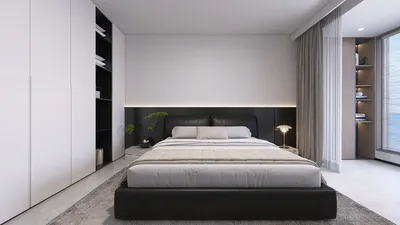


In a past project, I was tasked with transforming a compact studio into a "moody retreat" for a client who was adamant about using matte black for the walls. This choice nearly deprived us of natural light and tested the client's patience. Through this experience, I realized that selecting the right paint for your interiors involves considering both its finish and function alongside its color. It's fascinating how small spaces can inspire grand creative ideas. To help visualize the effect of various finishes in a room, I often recommend clients utilize Homestyler to view their space in 3D, allowing us to experiment with lighting and sheen before making final decisions.
1. Eggshell — the versatile favorite
Eggshell is my go-to choice for most living areas and bedrooms due to its soft sheen and ease of maintenance. It effectively conceals minor imperfections on walls better than flat paints and wipes clean easily; however, it does reveal texture more than matte finishes, so proper preparation is key. A cost-effective tip is to opt for mid-tier eggshell latex, offering durability without the expense of high-end options.
2. Satin — ideal for high-traffic areas
Satin finish is perfect for hallways, children's rooms, and kitchens since it withstands frequent cleaning and moisture. I once used satin paint in a narrow corridor for a client, and it maintained its fresh appearance for years, although its slight gloss can expose imperfections. If a high sheen isn't appealing, consider using a tinted primer followed by two smooth coats to reduce glare.
3. Matte (Flat) — for a cozy ambiance and flaw concealment
Matte finishes are my preferred choice for adult bedrooms and inviting reading spaces, as they offer a velvety, contemporary aesthetic while beautifully absorbing light and masking surface flaws. The downside is that true flat paints can be tricky to clean, so I often suggest using scrubbable or washable matte options in homes with pets. A smart small-space strategy is to use matte on the focal wall and eggshell on adjacent walls to strike a balance between style and upkeep.
4. Semi-gloss and Gloss — perfect for trims and functional kitchens
Semi-gloss or gloss paints are excellent for trims, doors, and cabinetry due to their ability to resist stains and facilitate easy cleaning. I suggest being cautious with high gloss on large wall areas, as it can draw attention to bumps and create a sterile appearance. However, these finishes look sharp and last on baseboards and cabinets. For kitchen backsplashes, select a semi-gloss enamel designed specifically for moisture resistance.
5. Low-VOC and washable formulations — healthy and practical choices
Indoor air quality is vital, especially in compact apartments; therefore, I always advocate for low-VOC or zero-VOC latex paints in bedrooms and nurseries. Many current options are not only low in odor but also scrub-resistant, although premium low-VOC paints might be pricier. If you're on a budget, focus on low-VOC for sleeping areas while using standard durable latex in less sensitive places, and consider testing small patches to see the color and finish under your lighting.
When you're set to update more than just the color — like rearranging layouts or selecting materials — I usually advise clients to outline their kitchen workflow so their paint choice enhances functionality. Plus, before finalizing choices, I frequently produce a render using Homestyler to preview how the finish will appear under simulated lighting, preventing unexpected results from arising when the time comes to paint.
FAQ
Q1: What is the single best type of paint for most interior walls?
A1: I typically recommend a quality latex eggshell for most homes, as it offers a great balance of appearance, durability, and cost-effectiveness. It’s versatile enough for use in living rooms and bedrooms and is also easier to clean than flat paints.
Q2: Is low-VOC paint really necessary?
A2: Low-VOC paints minimize the emanation of volatile organic compounds and enhance indoor air quality, which is particularly beneficial in small or poorly ventilated areas. It’s a wise, economical upgrade for bedrooms and nurseries.
Q3: Which finish conceals wall imperfections best?
A3: Matte (flat) finishes do the best job of hiding surface flaws as they absorb light rather than reflecting it. If you need a washable surface, opting for a quality washable matte can provide the best of both worlds.
Q4: How do I choose paint for a kitchen?
A4: Select a semi-gloss or satin enamel for kitchen walls and cabinetry where moisture and stains frequently occur — these finishes are not only easier to clean but also more resistant to moisture. Additionally, ensure the paint quality aligns with the expected wear; premium formulations will endure longer on high-use surfaces.
Q5: Can I use the same paint throughout my small apartment?
A5: While you can use the same paint, I often recommend varying finishes: matte or eggshell in bedrooms, satin in busy areas, and semi-gloss for trims. This strategy maintains cohesion while enhancing durability and light reflection.
Q6: How many coats do I need?
A6: Generally, two coats of a quality latex paint applied after proper priming should suffice; tinted primers can decrease the necessity for additional coats when changing from dark to light shades. The choice of surface prep and primer often outweighs the benefit of a third coat.
Q7: Are there health standards or resources about paint VOCs?
A7: Yes, you can refer to the U.S. Environmental Protection Agency for authoritative information on VOCs in indoor air: https://www.epa.gov/indoor-air-quality-iaq/volatile-organic-compounds-impact-indoor-air-quality, which summarizes health effects and ways to minimize exposure.
Q8: Any quick budget tips for repainting interior walls?
A8: Opt for mid-range paint and invest in quality brushes or rollers to save on labor time; testing small samples in your lighting before buying in bulk is also advisable. Additionally, prioritize low-VOC paints in sleeping areas while applying affordable durable finishes in utility spaces.
Homestyler is your go-to online home design platform, perfect for transforming your ideas into reality. With an intuitive design tool, stunning 3D renderings, inspiring design projects, and helpful DIY video tutorials, creating your dream space has never been easier!
Design Now for FREE
































