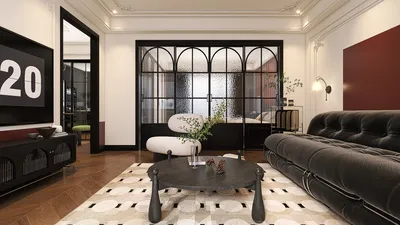


Pre-hung ready-made room doors provide a sleek aesthetic upgrade with minimal impact on daily routines. I seek doors that harmonize visual flow, comfort against noise, and durability, which I then complement with hardware that feels intuitive in the hand. The benefits are evident: Steelcase research indicates that well-crafted environments boost productivity and satisfaction, where the choice of doors subtly influences privacy, lighting management, and traffic flow. According to WELL v2 standards, addressing sound transmission and privacy aspects enhances occupant comfort, making the selection of door types and seals a key consideration beyond mere aesthetics.
The psychology of color reinforces doors' significance in influencing mood and navigational cues. An examination by Verywell Mind highlights that neutral colors foster tranquility and clarity, while darker shades convey formality or concentration—ideal for areas such as bedrooms and study spaces. For optimal performance, I rely on IES lighting guidelines to minimize glare: employing a matte finish for doors near intense lighting helps stabilize visual comfort at thresholds. Choosing readymade doors with appropriate undercuts additionally aids in regulating air transfer without sacrificing sound absorption.
Types of Readymade Interior Doors
1. Flush Hollow-Core: These lightweight and affordable options are perfect for closets or low-traffic rooms. The honeycomb core makes installation straightforward, though sound insulation can be limited. Magnetic latches and soft-close hinges further help to mitigate noise.
2. Solid-Core Composite: This type stands out as an excellent choice for bedrooms, studies, and multipurpose spaces. The added mass enhances sound transmission class (STC) ratings and tactile quality. Opt for solid striker plates and uninterrupted seals to minimize sound leakage through flanking paths.
3. Molded Panel Pre-Hung: Featuring panels that introduce a classic flow; the primed variations can be painted with ease. The pre-fitted jamb accelerates installation time and minimizes alignment issues.
4. Glazed Interior Doors: Ranging from full-lite to divided-lite designs, these doors manage light and sightlines effectively. Frosted or reeded glass options grant privacy while ensuring adequate daylight penetration, aligning with WELL v2's daylight accessibility objectives.
5. Barn and Bypass Sliders: Excellent for compact spaces and busy hallways. Use soft-return hardware and bottom guides to prevent swaying; consider adding soundproof seals if privacy is a priority.
6. Pocket Doors: This type offers the cleanest visual effect in tight layouts. Focus on high-quality tracks and reinforced studs, confirming wall depth before selecting kits.
Material and Finish Selection
Doors are essential in establishing the overall color scheme. For contemporary aesthetics, I favor rift-cut oak veneers or smooth MDF with catalyzed paint. In moist environments, composite materials and PVC wraps provide superior durability compared to traditional wooden doors. Sustainability is crucial; I recommend low-VOC finishes and recycled cores. The finish on hardware should blend seamlessly with surrounding metal elements—brushed nickel pairs well with cool palettes, while aged brass enhances warm tones and matte black offers a modern contrast. Ergonomically designed levers are more comfortable to use than knobs, as endorsed by Herman Miller's studies on human factors.
Acoustic and Privacy Considerations
Solid-core doors equipped with consistent perimeter seals, adequate undercuts, and enhanced latch strikes contribute to a substantial increase in privacy levels. For home office settings, examine STC ratings closely and implement drop seals if floor surfaces are uneven. In shared living environments, glazed doors featuring textural interlayers (like reeded or fluted designs) allow for light retention while obscuring direct sightlines. For media rooms, selecting heavier doors with tight frame tolerances effectively minimizes sound leakage; complementing these with soft-close hinges can further reduce transient noise.
Light and Glare Control
In locations where doors meet bright windows or downlights, glossy finishes may cause flare. I recommend specifying eggshell or matte paint and subtle sheen veneers to balance luminance. Glazed doors should be positioned at eye level to prevent direct glare; acid-etched and laminated frosted glass can help to diffuse intense light concentration. In case corridors are overly illuminated, employing dimmers and shielded lighting fixtures can limit reflections at doorways.
Color Psychology and Wayfinding
Color choice can subtly guide room usage without the need for extensive signage. Soft greys or light greens facilitate a smooth transition into bedrooms, while deep charcoal or navy signals a reserved area for studies. For spaces with multiple functions, maintaining a consistent base color while varying only the hardware can subtly indicate different zones. Light doors in darker halls enhance the perception of brightness, and conversely, a dark door in a bright area can provide grounding and visual rhythm.
Ergonomics: Handles, Height, and Swing
Handles with a 30–45° ergonomic tilt help to minimize wrist strain. Typical mounting heights center around 34–38 inches, ensuring comfortable access for the majority of adults. Be mindful of the swing direction in relation to traffic patterns: avoid having doors open into narrow spaces. Within compact rooms, sliding or pocket doors can significantly save space while enhancing workflow.
Efficient Installation: Pre-Hung Door Workflow
Pre-hung door units streamline installation and reduce the likelihood of mistakes. I adhere to a straightforward procedure:
1) Check rough openings: generally, the opening should be 2–2.5 inches wider than the door width to accommodate jambs and shims.
2) Ensure plumb and level measurements: utilizing a long spirit level and laser line app to validate the hinge side is straight.
3) Dry-fit and shim: begin at the hinge jamb, insert opposing shims at the latch side, verifying uniform reveals.
4) Firm up jambs: nail or screw through the shims; reassess swing and latch alignment following this.
5) Install casing and fixtures: check strike engagement and adjust latch plates accordingly.
6) Finalize with finishes and seals: apply paint or stain and attach perimeter seals where privacy or acoustic control is essential.
Small-Space Layout Strategies
In smaller apartments, door swings can consume crucial floor space. Sliding or pocket doors maximize wall area for storage or workspaces; a narrow-lite glass door maintains sightlines without utilizing excessive floor area. When planning alternative swings and clearances, tools like this interior layout planner can visualize door arcs and flow patterns: room layout tool.
Budget and Value
Hollow-core flush doors are economical for secondary areas; however, it’s worth investing in solid-core options for bedrooms and offices where privacy and tactile experience are significant. Pre-finished choices minimize painting expenses and save time. Allocate budget for quality hardware, seals, and casings—small elements that greatly enhance door performance.
Design Trends for 2024–2025
Textured veneers, reeded glass, and warm metal finishes continue to trend. In minimalist spaces, ultra-flush frames create a cohesive look, while in transitional homes, molded panels paired with soft hues create harmony with layered fabrics. A focus on sustainability and ergonomically designed hardware ensures these trends remain relevant.
Selection Tips: Quick Checklist
- Align door styles with their intended function (solid-core for privacy, glazed for light).
- Choose finishes that mitigate glare (opt for matte or eggshell near bright sources).
- Confirm rough opening dimensions and swings early on in the planning process.
- Upgrade seals and hardware for soundproofing and durability.
- Maintain a consistent color palette, varying hardware for wayfinding purposes.
Mistakes to Avoid
- Overlooking undercut and seal specifications that are critical for acoustic performance.
- Selecting excessively glossy finishes near bright light fixtures.
- Incorrect leveling on hinge sides resulting in latch complications.
- Using heavy sliding doors without the appropriate tracks and guides.
FAQ
Q1: Is the investment in solid-core doors justified?
A1: Absolutely, especially for bedrooms and offices. Their mass improves sound insulation and adds an overall sense of sturdiness. You'll experience fewer sound leaks and increased privacy in everyday life.
Q2: Which door type suits small spaces best?
A2: Sliding or pocket doors conserve swinging space. A narrow-lite glazed panel permits openness while ensuring floor space for storage and furniture placement.
Q3: How can I minimize glare from doors positioned by bright windows?
A3: Opt for matte or eggshell finishes, and explore frosted or reeded glass options. Adjust nearby lighting with dimmable or shielded fixtures to soften reflections.
Q4: What hardware finish is best for my project?
A4: It should coordinate with existing metals in the décor: select brushed nickel for cooler interiors, aged brass for warmer palettes, and matte black for a contemporary feel. Prioritize ergonomic levers for comfort.
Q5: Do pre-hung doors genuinely streamline installation?
A5: Yes, they do. Factory alignment of the jamb, hinges, and often the latch minimizes on-site adjustments, though precise shimming and leveling checks are still necessary to avoid binding.
Q6: What’s the significance of seals in interior doors?
A6: They are vital for ensuring privacy and sound insulation. Proper perimeter seals and undercuts restrict noise movement and enhance the perception of separation between areas.
Q7: Can glazed doors provide adequate privacy?
A7: Indeed, the use of frosted, reeded, or laminated glass can obscure views while allowing daylight to penetrate. For spaces requiring heightened privacy, consider patterned glass options.
Q8: What height should I mount door handles?
A8: Aim for around 34–38 inches from the finished floor, accommodating most users. Adjustments can be made for children's rooms or accessibility while maintaining ergonomic standards.
Q9: Are hollow-core doors suitable for every location?
A9: Certainly—in closets, storage areas, and low-traffic zones, they are light and cost-effective; pairing them with quality hardware enhances their functionality.
Q10: How do I effectively plan door swings when considering furniture placement?
A10: Use planning tools to map door arcs and traffic flows, ensuring clearance at the hinge and latch sides, and prevent them from opening into cramped areas to ensure safer movement.
What began as an Autodesk innovation has evolved into a design platform used by more than 18 million people around the globe. Homestyler combines powerful rendering, an intuitive editor, and a vast furniture library to help you turn inspiration into photorealistic designs — whether you're redesigning a single room or planning an entire home.
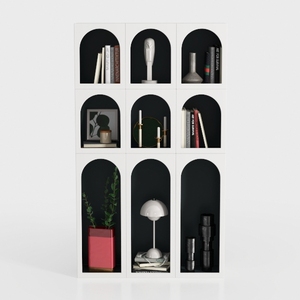

Minimalist White Arched Bookshelf Storage Cabinet 3D Model


Minimalist Solid Oak L Shaped Floating Shelves 3D Model
Homestyler is the ultimate online home design platform for anyone looking to transform their space. With its easy-to-use design tool, stunning 3D renderings, diverse design projects, and helpful video tutorials, you'll find everything you need to create your dream home with confidence!
Design Now for FREE
































