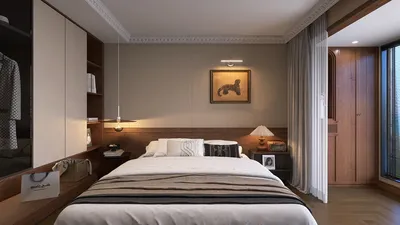


When searching for room heaters, I seek options that offer consistent warmth, safe operation, and economical running costs without sacrificing air quality. The ideal heater choice is contingent upon various factors, including room dimensions, insulation quality, and usage habits—whether it's augmenting central heating or providing warmth to individual spaces. Below, I'll outline the essential categories, key selection criteria, and layout strategies that I employ in both residential and small-office settings, all supported by relevant data and contemporary standards, highlighting tools like Homestyler for optimal design decisions.
In an average American home, space heating represents about 45% of total residential energy consumption, emphasizing the need for efficient heater selection (according to the U.S. EIA Residential Energy Consumption Survey). Additionally, research from Gensler indicates a direct correlation between thermal comfort in workplaces and employee productivity, while Steelcase reports that environmental elements, including temperature, significantly affect task performance and overall wellbeing. To promote indoor air quality and occupant health, I adhere to the WELL v2 thermal comfort guidelines and apply standards from the Illuminating Engineering Society to mitigate glare from radiators and enhance visual comfort; further benchmarks can be explored via WELL Certified and IES.
Selecting a suitable heater involves matching the output (measured in BTUs or watts) to the room's volume. A good guideline is allocating approximately 10 watts per square foot for areas with average insulation, while poorly insulated spaces may require 12 to 15 watts per square foot. For an area of 150 square feet, I typically recommend electric units of around 1,500 watts or gas heaters offering approximately 5,000 BTUs. In energy-efficient layouts with well-sealed rooms, the required heater capacity can be reduced. If a space retains a persistent chill, it's essential to inspect for drafts and thermal bridging before opting for a larger heater.
Core Heater Types and Their Best Uses
Convection Heaters (Ceramic, Oil-Filled): Ideal for delivering consistent, gentle warmth. Ceramic heaters can heat up rapidly and often feature safety mechanisms such as tip-over and overheat protection. Oil-filled radiators provide a softer heat output, operating quietly and making them perfect for settings like bedrooms or cozy reading spots.
Radiant/Infrared Heaters: Perfect for localized heating and quick comfort, especially in areas with subpar insulation or where individuals remain mostly still (e.g., at a desk, sofa, or vanity). These heaters directly warm occupants and surfaces, mitigating the effects of drafts.
Panel Heaters: Slim and available as either wall-mounted or freestanding options, these heaters employ convection for heat distribution. They are a suitable choice for compact areas needing continuous low-level warmth, with many models incorporating programmable timers for energy efficiency.
Micathermic Heaters: These hybrid radiant-convection panels offer quick heating and extensive coverage, making them beneficial in medium-sized rooms that require fast, even warmth without the noise of a fan.
Fan-Forced Heaters: Known for their ability to raise the temperature quickly across large areas. It's advisable to select quiet models for living areas, emphasizing the importance of robust safety features and ceramic heating elements for daily safety.
Critical Safety Features and Standards I Consider
I prioritize devices that are UL-listed, equipped with cool-touch housings, include tip-over shutoff, thermal cutoffs, and possess sturdy bases. For children's rooms and senior living environments, I advocate for oil-filled radiators or enclosed ceramic heaters that minimize exposed elements. My thermostat settings and schedules align with WELL v2 Thermal Comfort guidelines to prevent overheating and nighttime dryness, with WELL resources providing intricate thresholds for radiant asymmetry, humidity, and adaptive comfort ranges.
Visual comfort is equally fundamental. Although heaters do not release light, many have accompanying status LEDs or glowing features. Following IES guidelines for luminance, I ensure visible indicators are placed away from direct sightlines and opt for dimmable or low-intensity displays to minimize glare.
Sizing and Layout: Aligning Output to Space
Begin with accurate measurements of the room, window area, and the overall envelope quality. For compact bedrooms (100-150 square feet), a convection or micathermic unit of 1,000-1,500 watts is generally adequate. Larger living areas (200-300 square feet) may require 1,500-2,000 watts, assuming the space isn’t excessively exposed to adjacent zones. If you need to explore furniture and heater placement concerning airflow and safety, consider utilizing an interior layout planner like Homestyler to visualize circulation patterns and assess the reach of heating elements in a room layout.
Placement Recommendations: Maintain a clear 3 feet of space in front of radiant heaters; avoid positioning curtains and soft furnishings near heat sources as they can trap warmth. For convection heaters, positioning them on exterior walls can counteract downdrafts, aiding in achieving a balanced mean radiant temperature and enhancing the perceived comfort without increasing thermostat settings.
Energy Efficiency and Operating Costs
Electric resistance heaters convert almost all input energy into heat at the unit; however, the overall cost will depend on runtime and setpoint strategies. Utilize programmable thermostats, eco modes, and occupancy schedules to enhance efficiency. Operating a 1,500-watt heater for 4 hours daily at $0.15 per kWh incurs about $0.90 daily; reducing runtime to 2-3 hours while optimizing placement can significantly lower costs. Where conditions permit, sealed-combustion gas heaters offer higher BTUs for larger spaces but need proper ventilation and professional setup.
To maximize comfort, implement layering strategies such as thermal curtains, area rugs, and sealing drafts. Even a 5-10% reduction in heat loss can lead to notable comfort improvements.
Acoustic Comfort and Human Factors
High-velocity airflow and fans may introduce noise and create a sensation of chill. In spaces like bedrooms where focus is key, I prefer oil-filled radiators or micathermic options for their near-silent operation. It's prudent to avoid placing fan-forced heaters directly in seating areas, as moving air against the neck and shoulders can diminish thermal satisfaction. Ensure controls are easily reachable and displays are legible for low-light conditions.
Air Quality, Humidity, and Material Considerations
Winter's dry air coupled with constant heating can drastically reduce humidity levels below comfort ranges. Aim for relative humidity between 30-50%; pairing heaters with a small humidifier can alleviate dry eyes and skin. Select housings that are constructed from durable, low-off-gassing materials or powder-coated steel. Regular cleaning of intake grills is essential to prevent recirculation of dust, particularly for residents with allergies.
Color Psychology and Perception of Warmth
While heaters provide physical warmth, color palettes can enhance the perceived coziness of a space. Shades of warm neutrals, terracotta, and muted ochres are known to promote a sense of comfort. For cooler color schemes, warm lighting (between 2700-3000K) can counterbalance any visual chilliness, as aligned with the principles of color psychology linking warmer hues to feelings of relaxation and comfort.
Control Features, Smart Innovations, and Safety Practices
Utilizing smart plugs and Wi-Fi-enabled thermostats allows for scheduling and energy monitoring. I favor heaters that come equipped with built-in thermostats and physical off switches to ensure safe operation. Establish maximum runtime limits, implement child locks where applicable, and perform monthly checks on tip-over protections. In common areas, clearly label safe zones and cable arrangements to avoid tripping hazards.
Recommended Heaters by Room Type
Bedroom: Oil-filled radiator or micathermic panel for consistent and tranquil warmth; set thermostats to 67–70°F for optimal sleep conditions.
Home Office: Focus infrared panels directed at seating, complemented by a convection unit for overall temperature stability, particularly in drafty environments.
Living Room: Ceramic tower with oscillation features to ensure balanced warmth and excellent safety functionalities.
Nursery/Playroom: A low-surface-temperature convection heater designed with robust tip-over protection and cool-touch elements.
Installation and Maintenance Tips
Freestanding units should always be placed on level surfaces with sufficient clearance. For wall-mounted panels, secure them to studs and respect specified distances from curtains and outlets to prevent fire hazards. Monthly vacuuming of grills, quarterly safety checks, and replacing units that show signs of wear such as discoloration, cracked housings, or erratic thermostat behavior is critical for safety.
Common Questions
Should I opt for micathermic or oil-filled radiators for quick or quiet warmth? Both options provide benefits: micathermics heat swiftly, while oil-filled models offer a more consistent warmth with minimal noise.
How do I calculate the wattage needed for my space? A rough estimate is around 10 watts per square foot for areas with average insulation. In an 180 sq ft space, aiming for approximately 1,800 watts is suitable. For drafty areas, you may need to allocate 12-15 watts per square foot.
Can I place heaters close to furniture? Yes, as long as proper clearance is maintained. Keep at least 3 feet clear in front, avoiding nearby curtains or upholstery to reduce fire risk.
Are portable heaters efficient for home heating? Generally, portable heaters serve best as supplementary heat sources. They can maintain a comfortable temperature in single rooms but may not suffice for whole-house heating.
What temperature do most people prefer? Comfort often ranges around 68-72°F; adjust according to personal preferences and clothing. Research from Gensler and Steelcase continues to link thermal comfort with improved focus and well-being.
What strategies can I use to lower heating costs? Improve heater positioning, seal any drafts, utilize economy modes, and be deliberate about runtime scheduling. Layering textiles and incorporating warm lighting enhances perceived warmth as well.
Which heaters are best for quieter operation? Oil-filled radiators and micathermic panels are favored for their stable performance and less likelihood of drying out the air. Aim for a thermostat setting friendly for sleep at 67–70°F.
What maintenance is needed for fan-forced units? These can circulate dust, so it's advisable to clean filters and grills routinely, while maintaining a relative humidity of 30-50% for comfort.
Which heaters should I prioritize for safety? Look for UL or ETL listings, including features like tip-over protection, overheat cutoffs, and cool-touch housings that ensure additional safety.
How efficient are infrared heaters for spot heating? Infrared heaters offer concentrated warmth and can feel more effective for targeted heating, although overall room efficiency largely depends on insulation and airflow.
What clearance is necessary for heaters? Maintain a minimum distance of 3 feet from flammable materials and avoid directing high-intensity radiant elements toward bedding or other sensitive areas.
Is it possible to use heaters with outlets that restart automatically? Yes, as long as the heater features a mechanical switch that remembers the previous state. Always check the rated amperage to prevent overloading circuits.

Generico Scrivania per Computer in Legno massello di Rovere - Tavolo da Studio Compatto per Ufficio Domestico, Piccoli Appartamenti, cassettiera Multifunzionale e Tavolo da tè (1000 mm x 500 mm x 750

5-Piece Patio Dining Set, 35-Inch Square Outdoor T

Discover the joy of home design with Homestyler! This outstanding online platform offers an easy-to-use design tool, stunning 3D renderings, and a wealth of inspiring projects and DIY video tutorials. Unleash your creativity and transform your space effortlessly today!
Diseño ahora GRATIS
































