

I have reupholstered dining chairs for various settings including bustling families, boutique eateries, and my personal home. A common inquiry arises: which fabric provides an elegant appearance while enduring the challenges of everyday life? Achieving the perfect balance involves durability—encompassing both abrasion and stain resistance—combined with comfort, acoustic quality, and a color scheme that complements your environment, often facilitated by utilizing tools like Homestyler for design visualization.
Utilizing data can effectively eliminate uncertainties. Research from Steelcase connects the comfort derived from materials to ongoing user satisfaction and performance in shared spaces, which serves as a valuable reference for busy dining areas at home. Moreover, the WELL v2 Standard underscores the importance of low-VOC materials alongside human comfort factors—including acoustics, lighting, and thermal comfort—prompting us to consider how the texture, porosity, and color of fabrics can influence our well-being, not solely focusing on visual appeal (refer to WELL v2 Materials and Mind concepts at wellcertified.com).
How to Assess Fabrics for Dining Chairs
Prior to falling in love with a design, it’s critical to review performance specifications. I examine the abrasion ratings from Martindale or Wyzenbeek, stain resistance, cleansing guidelines, pilling resistance, seam durability, and lightfastness. For family dining or hosting gatherings, it’s advisable to select fabrics that endure at least 30,000 double rubs (Wyzenbeek) or 40,000 cycles (Martindale) for reassurance. The illumination also plays a significant role: under warm light conditions (2700–3000K), materials like velvets and bouclés appear more opulent, while under neutral light conditions (3500–4000K), flat weaves and microfibers exude a cleaner look. When evaluating fabric samples, ensure to view them under the actual lighting present at your dining space during dinnertime.
Key Fabric Types Explained
My preferred choice for active households includes fabrics that have been treated for stain resistance and usually withstand fading effectively. Solution-dyed acrylics, often seen in outdoor settings, boast excellent color retention and cleanliness, making them suitable for indoor usage without feeling rigid. Aim for PFC-free stain protection to mitigate environmental impact. The handfeel can vary from soft canvas to a chenille-like texture, enhancing acoustic dampening and warmth during lengthy meals.
Tightly constructed, fine-denier fibers offer a near-suede texture along with exceptional stain resistance. Spills typically bead up, with most being easily cleaned with mild soap and water. These fabrics tend to have impressive abrasion ratings and provide a beautiful matte finish in photographs. However, keep in mind that microfiber may show imprints from seating; a quick brush can refresh the appearance.
Not all velvet fabrics require delicate handling. Polyester or acrylic pile velvets equipped with stain protection and high abrasion ratings can indeed be suitable for dining settings. They provide a luxurious aesthetic, help absorb sound frequencies by softening the acoustics, and pair wonderfully with both wooden and metal frames. Be prepared for slight shading, creating a desirable moiré effect that camouflages minor blemishes more effectively than flat materials.
Fabrics treated with Crypton and similar technologies come equipped with moisture-resistant barriers and robust stain defenses, making them popular choices for hospitality venues and family dining areas. Confirm the texture—some earlier versions felt overly coated, but newer selections strike a balance between performance and a soft, home-like feel.
Full-grain or top-grain leather develops attractive patinas and withstands most stains effectively. It is simple to wipe down, although it may scratch and feel cooler during winter. For a more budget-friendly alternative, look for high-quality performance leathers that are PVC-free or silicone-based faux leathers, which are durable and can be cleaned with bleach—ideal for rental spaces or homes with children. To counteract echo in a room, consider adding a thin seat pad for improved acoustic comfort.
Linen-cotton mixes provide a sophisticated and breathable option but should ideally have performance backing or stain treatment for use in dining settings. Wool blends are naturally resilient, flame resistant, and provide excellent recovery; they are adept at concealing pilling and impressions while delivering superior sound absorption. For pure natural fibers, I suggest darker, melange weaves along with removable seat covers for ease of maintenance.
Color, Designs, and Mealtime Psychology
Color plays a crucial role in influencing appetite and social atmosphere. Research compiled by Verywell Mind reveals that reds and warmer tones can enhance energy and sociability, while blues may create a relaxing ambience, potentially reducing appetite. In practice, I typically combine warm neutrals like caramel and terracotta with cool shades like ink and slate to create a welcoming dining experience. Patterns, especially small-scale textures or jacquards, effectively conceal minor stains while providing visual rhythm without overwhelming your table layout.
Lighting, Sheen, and Practical Appearance
Under dim, warm LED lighting (~2700–3000K), textured fabrics like velvet gain depth, whereas satin finishes can create glare. The Illuminating Engineering Society suggests using 10–30 footcandles in dining areas of residences to foster a cozy atmosphere while ensuring textiles remain legible. Fabrics with lower sheen help mask smudges, whereas high-sheen materials project a formal appearance but may reveal every mark. If your dining space is filled with natural light, prioritize solution-dyed fibers and ensure lightfastness to prevent seasonal color changes.
Human Factors and Ergonomics
The comfort of a seat is influenced by foam density (ideally 1.8–2.2 lb/ft³ for most residential applications), the breathability of the fabric, and how seams are positioned. Tightly woven fabrics and coated materials withstand wear but may trap heat; coupling them with breathable underlayers or wool-blend top covers can enhance comfort for extended dining periods. For streamlined seat designs, I prefer fabrics that offer slight stretch—such as velvet or knit-backed materials—to prevent the fabric from fighting against the foam, thereby minimizing pressure points during a meal that lasts between 60 to 90 minutes.
The Acoustic Comfort of Dining Spaces
Dining areas with hard surfaces reflect sound. Upholstered seats, particularly those made from textured weaves or pile fabrics, can help reduce noise from conversations and clinking dishes. In minimalistic environments featuring stone or glass, I intentionally select chenille, boucle, or wool felt weaves to temper sound reverberation. Balanced acoustics foster conversation without the need for raised voices—essential for entertaining guests.
Maintenance: Cleaning Codes and Everyday Practices
Always verify the cleaning code prior to purchasing fabric. Codes like “W” indicate the use of water-based cleaners, while “S” designates solvent-based products; “WS” allows both options, while “X” designates vacuuming only. For dining chairs, I typically opt for codes W or WS. Chairs with removable slip covers simplify maintenance. It’s crucial to blott spills immediately rather than rubbing; start by lifting solids, then treat the area. Most stains on engineered fabrics can be easily cleaned with mild soap and water, while for leather, designated cleaners and conditioners should be used several times a year.
Sustainability and Indoor Air Quality Considerations
I prioritize textiles carrying third-party certifications that assure low emissions, along with PFC-free stain treatments whenever feasible. The WELL v2 Materials framework advocates for the reduction of hazardous ingredients while factoring in end-of-life decisions. Natural wool blends and solution-dyed acrylics, which use less water in the dyeing process, are practical options; recycled-content polyester is rapidly advancing as well. Inquire with suppliers for VOC data sheets and check for CAL TB117-2013 compliant foams that lack additional flame retardants.
Design Layout and Visual Cohesion
Choosing fabric is only part of the overall scheme. The dimensions of the chair, the table's proportions, and the space for circulation all impact how fabric appears in context. While testing patterned fabrics, I like to simulate placements against the dining table's finish and flooring to ensure scale balance and visual flow. If considering varying chair counts or banquettes, a user-friendly interior layout planner can assist in evaluating clearances and seat arrangements before finalizing decisions. Tools like a room layout planner can help visualize flow and sightlines for a cohesive dining experience, integrating seamlessly with Homestyler functionalities.
My Recommended Picks by Use Case
Solution-dyed acrylic or Crypton-treated chenille; code WS for cleaning; select a mid-tone, small-scale pattern to help mask wear.
Performance velvet in deep jewel tones; rated for high abrasion; consider contrast piping for a refined edge.
Microfiber in warm gray or taupe shades; provides a matte texture; easy wipe-clean features.
Wool-blend tweed featuring recycled polyester; offers rich texture and excellent sound dampening properties.
How to Evaluate Before Finalizing Your Choice
Request fabric samples, followed by testing for spills with materials like coffee, wine, and oil (dab, don't rub). Sit on the samples for around 20 minutes to assess heat retention and tactile comfort. View samples under both evening and morning light to confirm color accuracy. If a fabric meets criteria for comfort, ease of cleaning, and color preferences, check with your upholsterer for fabric yardage and add an extra 10–15% for pattern alignment.
Frequently Asked Questions
For homes experiencing daily usage, I suggest fabrics with a durability rating of 30,000+ double rubs (Wyzenbeek) or 40,000+ cycles (Martindale). For less frequently used dining areas, 15,000–30,000 can be adequate provided strong stain protection is in place.
Yes, provided you select performance polyester or acrylic velvets with stain resistance and high abrasion ratings. Expect some color shading—this is characteristic of velvet and helps disguise minor blemishes.
Both types can be suitable. Performance leather or silicone-based faux leather are quick to clean. Alternatively, Crypton-treated microfiber or solution-dyed acrylic provide stain resistance while feeling cozy in winter.
Choose mid-tone varieties or blended yarns—think of heathered grays, camel tweeds, or subtle patterns. Pure light fabrics are prone to revealing spills, while very dark shades tend to show lint and dust accumulation.
Warm lighting (2700–3000K) enhances the richness of pile fabrics such as velvet; neutral lighting (3500–4000K) sharpens the appearance of flat weaves. Always check samples in the dining area lighting to avoid unexpected outcomes.
Not at all. Linen-cotton blends and wool mixes perform well with backing or stain treatments. Select darker or melange tones and consider removable slip covers for maintenance ease.
Codes W or WS offer the most versatility, allowing the use of water-based solutions for regular spills; always conduct a test in an inconspicuous area beforehand.
Choose textured or pile fabrics (chenille, boucle, or wool blends) and contemplate the use of seat pads or upholstered backs. These materials effectively absorb higher frequency sounds and enhance conversational comfort.
Request VOC and chemical composition data and seek out PFC-free stain guards. Opting for materials aligned with WELL standards means prioritizing lower hazardous chemical usage and better indoor air quality.
For simple slip seat covers, a standard of 0.5–0.75 yards per chair is typical; allow more for full backs, arms, or sizeable patterns requiring matching. Confirm quantity with your upholsterer.
Homestyler's roots trace back to Autodesk, the global leader in design and engineering software. That heritage lives on in every feature we build. Today, with a community of more than 18 million users worldwide, Homestyler continues to make professional-quality interior design accessible to everyone — from first-time decorators to seasoned architects.
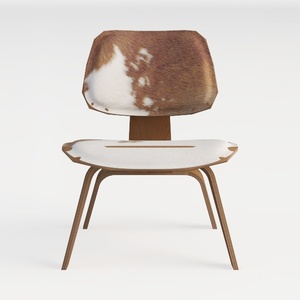
Modern Cowhide Solid Wood Accent Chair 3D Model

Minimalist Boucle Fabric Accent Chair 3D Model
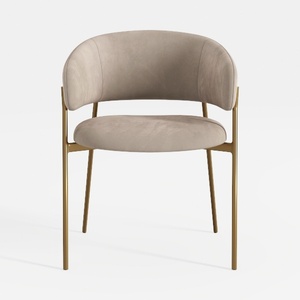
Modern Velvet Fabric Gold Metal Frame Dining Chair 3D Model
Discover the ease of home design with Homestyler! This user-friendly platform offers an innovative online design tool, stunning 3D renderings, and a wealth of design projects. Plus, with DIY video tutorials, you'll be inspired to transform your space effortlessly. Dive into your next project today!
Design Now for FREE
































