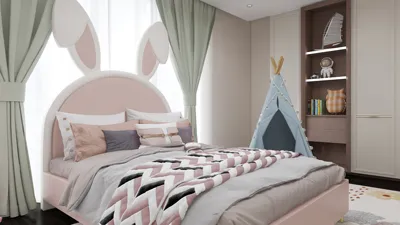


Once, a client was adamant that their 8 x 10 rug should completely sit beneath a 12-seat table, which almost made me laugh. Instead, I quietly reimagined the entire design plan. Such small misunderstandings have taught me that selecting the right rug size is just as much about proportions as it is about personal preferences. To truly grasp space planning, begin by measuring the actual seating footprint rather than just the dimensions of the table.
1. The Surprising Benefits of Choosing an 8 x 10 Rug
I typically suggest an 8 x 10 rug for standard rectangular dining tables that accommodate 4 to 6 diners. This size allows room for chairs to stay comfortably on the rug when pulled out, preventing any mishaps with dragging legs on the hard floor. However, be cautious—notably in large spaces, an 8 x 10 can appear lost, so it's best not to use it as the sole element for grounding in expanse areas.
save pin
2. Centering and Orientation: Allow Your Room to Breathe
Position the rug directly beneath the table, ensuring that no less than 24 inches of the rug is visible on all sides; this technique balances visual weight and creates a cozy feel. For rectangular dining sets, align the rug in the same direction—this alignment projects a sense of thoughtfulness. A minor challenge is the scale of patterns: bold designs may clash with chairs, so be sure to test a sample first.
save pin
3. Enhancing Texture and Flexibility Through Rug Layering
Using a natural fiber rug beneath a softer top rug can extend durability and introduce texture without a hefty price tag. In open-concept designs, I often implement a slightly smaller rug layered over a larger neutral one to define the dining area. If you’re redecorating an adjacent kitchen or casual dining space, consider checking out some kitchen dining layout inspirations using Homestyler to see how rugs contribute to effective zoning.
save pin
4. Smart Selecting: Materials, Finish, and Upkeep
Since spills are inevitable, opt for stain-resistant synthetic fibers or low-pile wool blends that promise longevity. While jute is visually appealing, it can present challenges for maintenance with frequent spills, so think carefully about aesthetics versus practicality. For a budget-friendly approach, investing in a quality rug pad not only prevents slipping but also extends the lifespan of the rug—consider it a wise form of insurance.
save pin
5. Small Spaces, Big Impact: Utilizing Scale and Color
In a limited dining area, an 8 x 10 rug can paradoxically enhance the perception of space if its tone is coordinated with nearby walls or flooring. Light, monochromatic rugs can extend visual sightlines, while a darker border can help anchor the table. For a rapid visual assessment, I frequently create a simple mockup—using tools like Homestyler for 3D visualization helps clients envision placement before making purchases.
save pin
Tips 1:
Pro tip: Always pull chairs back and measure for necessary clearance. If all four corners of the rug remain underneath the chairs, then you’ve selected the appropriate size.
save pin
FAQ
Q1: Is an 8 x 10 rug suitable for a table seating 6?
Certainly, in most settings, an 8 x 10 rug functions well with a 6-person table—allowing chairs to remain on the rug when pulled out. If the room is vast, contemplate adding other elements to visually connect the space.
Q2: How much rug should extend around the table?
I recommend a minimum of 24 inches of rug visible beyond the table's edge to ensure chairs stay on the rug. For larger tables, increasing the distance to 30 inches provides additional comfort when chairs are fully extended.
Q3: What are the most suitable materials for dining rugs?
Low-pile wool blends and performance synthetics are ideal for dining settings due to their durability and resistance to stains. While natural fibers like jute are attractive, they can be trickier to maintain in high-spill environments.
Q4: Will an 8 x 10 rug make a compact dining room seem smaller?
Not necessarily—if chosen with care regarding color and scale, lighter, low-contrast rugs can make the space appear larger by extending sightlines. Conversely, dark rugs with pronounced borders can visually compress the area.
Q5: Can I place a rug under a round table?
Absolutely—an 8 x 10 size can work well under various round tables, as long as proportional space is maintained. The objective remains the same: chairs should stay on the rug when pulled out.
Q6: How can I safeguard hardwood floors underneath a rug?
Utilize a breathable rug pad to prevent slipping and facilitate airflow beneath it. Steer clear of adhesive-backed pads, which can damage the finish over time. Additionally, these pads enhance comfort and prolong the life of your rug.
Q7: Are there guidelines for proper rug placement?
Design organizations like the American Society of Interior Designers (ASID) suggest maintaining consistent clearance around furniture to ensure smooth flow—measuring remains the easiest rule to adhere to.
Q8: How frequently should dining rugs be cleaned?
Regular vacuuming should occur weekly, and immediate response to spills is crucial; professional cleaning annually helps keep natural fiber rugs in good condition, while high-traffic households may require more frequent attention.
save pin
Looking to transform your home? Homestyler offers an easy-to-use online design tool, stunning 3D renderings, and a wealth of design projects and video tutorials. Whether you're a novice or a seasoned designer, you can effortlessly bring your creative vision to life!
Design Now for FREE
































