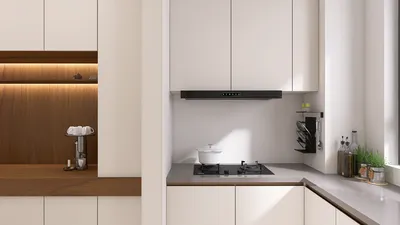


I often gravitate towards wooden containers in my kitchen for a fundamental reason: they effectively manage visual clutter while ensuring that essentials are precisely where I anticipate finding them. In both compact apartments and expansive open kitchens, a small collection of appropriately sized wooden canisters can reduce the distance I need to reach, safeguard my ingredients, and foster a harmonious aesthetic across the countertop. Comprehensive research indicates a connection between well-organized, well-lit workspaces and enhanced comfort and productivity—WELL v2 demonstrates that proper task lighting and organized storage enhance cognitive clarity and alleviate stress during everyday activities. From an ergonomic standpoint, limiting unnecessary movements is crucial; findings from Steelcase illustrate that intuitive storage options within easy reach can minimize micro-disruptions and fatigue during repetitive tasks, a principle applicable when using tools like Homestyler for layout planning.
The selection of containers is significantly driven by lighting conditions and visibility, more than most people realize. The IES standards stress the importance of adequate task lighting to distinguish between textures and read labels clearly without glare. I prefer to pair warm neutral lighting (3000–3500K) with the natural hues of woods like oak, ash, or acacia to ensure that spices and grains are easily identified. Additionally, the psychology of color influences our choices: natural wood tones often convey a sense of calm and stability, which helps diminish the appearance of clutter when compared to vibrant plastic alternatives. This blend of effective lighting and visual warmth encourages me to keep my surfaces orderly while incorporating the design functionalities of tools like Homestyler.
Selecting the Ideal Wooden Containers
Not all wooden canisters offer the same benefits. I prioritize three essential features: a food-safe finish, such as natural oil or certified food-grade varnish; an airtight seal, typically made from silicone; and stable construction. While cylindrical shapes can be space-saving, they may topple if too tall; therefore, wider forms are preferable for frequently used grains or legumes. For spices, I find that jars in the 100–150 ml range work well, while larger canisters of 1.5–2.5 L suit items like flour, sugar, and oats for most recipes. It’s important that lids can be operated with one hand—consider designs that allow for a push-pull or lift-off functionality, enabling me to maintain use of the other hand while baking or mixing. If visibility is key, I combine wooden lids with glass containers; for a streamlined look, go for fully wooden canisters featuring laser-etched or embossed labels, all of which can be easily organized with the help of Homestyler.
Strategic Placement: Where Each Container Should Be
My guiding principle is straightforward: organize by function rather than category. Baking essentials such as flour, sugar, and baking powder should be positioned between the mixer and scale, while sautéing staples—salt, pepper, garlic powder, paprika—should be grouped closely within arm's reach of the cooktop. Breakfast grains ought to be situated near kettles and bowls. This mapping according to activity helps shorten steps and reduces unnecessary movements, resulting in a tangible ergonomic advantage. If redesigning a narrow galley or L-shaped kitchen, I sketch out two or three layouts and test them through simulated traffic patterns; tools like Homestyler can assist in visualizing sight lines and safe zones for container placements, ensuring they don’t clash with surrounding cabinets.
Material Selection: Wood Types and Finishes
Hardwoods such as maple, oak, and acacia offer resistance against dents and wear; walnut is aesthetically pleasing but can show dust more easily. Bamboo stands out as a rapidly renewable alternative that remains stable, provided it's well-laminated. I steer clear of soft, open-grain woods in humid environments unless they are thoroughly sealed. It's vital that inside surfaces remain smooth and non-porous; applying a food-safe oil enhances the grain and minimizes odor retention. For lids, engineered wood cores paired with veneers help maintain flatness in variable humidity, thereby sustaining airtightness.
Maintaining Freshness: Moisture, Odor, and Airtightness
Dry goods are particularly sensitive to changes in humidity. An effective silicone gasket preserves the texture and aroma of contents, prolonging their shelf life. Even if lids are airtight, I avoid placing canisters directly in line with dishwasher vents or over ovens. For potent spices like curry and cumin, I prefer glass bodies with wooden lids, as wood can retain strong aromas. If solid wood is your preference, designate specific jars for individual spices to prevent scent transfer.
Efficient Labeling Practices
Having clear labels significantly reduces cognitive strain. I typically use high-contrast, sans-serif labels along the lower third of jars so that they are easily seen when the lids are off. For a softer appearance, consider using burned-in icons or small brass tags. Additionally, date markings are crucial; a strip of painter’s tape under each jar, indicating the purchase date, helps maintain proper rotation of contents.
Color, Tone, and Visual Compatibility
The color of wood contributes greatly to the ambiance of a kitchen. Blonde maple can brighten a small space, medium oak harmonizes well with stainless steel appliances, and dark walnut complements matte black fixtures effortlessly. I focus on a visual rhythm: by repeating heights and evenly spacing items on the counter, a sense of calm is created, whereas varied heights can add liveliness but require intentionality. It's crucial to maintain a negative space buffer—at least a palm’s width between groups—to give the eye a rest.
Lighting Considerations for Daily Convenience
Under-cabinet task lighting should illuminate container labels effectively without causing glare on the lids. I aim for a brightness level of 300–500 lux at the countertop to enhance visibility in-line with IES lighting guidance, utilizing 90+ CRI lamps to accurately reflect the colors of spices. If changing out bulbs, a color temperature of 3000K ensures warmth without distorting label visibility. During evening meals, dimming the pendant lights can help reduce reflections on glass containers.
Workflow Zoning: A Key to Efficiency in Small Kitchens
Establish three distinct zones on your countertop: a hot zone near the cooktop (for spices and salt), a prep zone in the center (for flour and oils), and an assembly zone by the sink (for items like tea, oats, and nuts). This arrangement aligns with natural movements and cuts down on unnecessary back-and-forth. If cooking with others, designate a communal 'snack' canister to keep guests from disrupting your mise en place.
Proper Cleaning and Maintenance
Wooden lids should be hand-washed and dried promptly; the bodies can be wiped down with a barely damp cloth followed by a dry towel. To refresh finishes, apply a thin coat of food-safe oil twice a year. If a canister absorbs any odors, a 24-hour soak with baking soda followed by air exposure in sunlight often does the trick. Annually check the gaskets; a degraded seal is often why cookies lose their freshness.
Sustainability in Selection
I emphasize sourcing from FSC-certified suppliers and ensuring robust construction over novelty designs. Bamboo or rubberwood, a byproduct from latex production, are excellent eco-friendly options. A modular approach to canisters that allows for gradual additions is preferable to trendy sets that may soon be discontinued.
An Essential Starter Set Covering Most Needs
- Two 2 L containers for all-purpose flour and oats
- One 1.5 L container for sugar
- Two 750 ml containers for rice and quinoa
- Six 120 ml spice jars: salt, pepper, cumin, paprika, chili flakes, cinnamon
- One salt cellar with an easy one-handed lid located near the stove
Utilizing Vertical Space When Counter Space is Limited
Take advantage of verticality with a two-tier tray but ensure heavier items rest on the lower level. Wall-mounted rails with wooden-lid spice jars can clear counter depth without needing deep shelves. Corner lazy Susans can address hard-to-reach zones; just make sure the diameter accommodates outlet access from the backsplash.
Common Pitfalls I Avoid
- Purchasing oversized sets that crowd workspace
- Mismatched lid seals (aesthetic alignment with functional issues)
- Storing containers too close to heat or steam sources
- Neglecting to label dates
- Failing to plan functional zones before buying
Testing Layout Before a Small Remodel
Before finalizing decisions on shelves or rails, I create mock layouts using cardboard and simulate cooking prep. Adjust spacing until movement feels fluid. If planning a minor renovation, using a room design visualization tool like Homestyler enables you to check clearances between container groupings and small appliances, ensuring everything fits seamlessly.
Frequently Asked Questions
Q1. Do wooden containers maintain the freshness of ingredients for baking?
A1. Yes, provided that the lids are truly airtight and the silicone gaskets are intact. For flour and sugar that are used weekly, wooden lids with gaskets perform comparably to those made from glass or metal. For extended storage (months), I prefer to transfer bulk ingredients to sealed pantry bins and refill countertop canisters as needed.
Q2. Will wood impact the flavor or aroma of spices?
A2. Untreated wood can absorb and retain powerful scents. I recommend dedicating specific jars for particular spices or using wooden lids with glass container bodies for highly aromatic spices, such as curry blends.
Q3. What container sizes should I select for common staples?
A3. For typical household needs: 2 L for flour and oats, 1.5 L for sugar, 700–800 ml for rice or quinoa, and 100–150 ml for spices. This keeps containers manageable for ease of use with one hand.
Q4. How can I prevent moisture problems?
A4. Keep containers away from steam sources (like dishwashers, kettles, and oven vents). Allow cookware to cool before placing it near canisters, and ensure that gaskets are securely fitted while wiping away any condensation right away.
Q5. What are the most durable wood types for a busy kitchen?
A5. Hard maple, white oak, and acacia are resilient against dents and maintain stability. Bamboo is a sustainable and dimensionally stable alternative if properly laminated.
Q6. How should I illuminate my countertop for optimal label readability?
A6. Aim for approximately 300–500 lux of task lighting on the countertop utilizing a color temperature of 3000–3500K and a CRI of 90+ to ensure an accurate reflection of colors, in line with IES lighting recommendations.
Q7. Are wooden lids appropriate for oily ingredients such as nuts?
A7. Yes, as long as the interior surfaces are well-sealed and cleaned thoroughly afterwards. Avoid soaking; instead, wipe and dry immediately to prevent oil retention.
Q8. How can I prevent my countertop from appearing cluttered?
A8. Organize items by function, keeping each cluster to about 3–6 containers and ensuring even spacing with a small gap for visual comfort. Choose a single wood tone for a cohesive aesthetic, maintaining uniform or intentionally varied heights.
Q9. Is it safe to stack wooden containers?
A9. Only if the lids are designed with anti-slip features or recessed tops. Otherwise, consider using a low tray or tiered stand to create a secure vertical display.
Q10. What type of finish is best for food safety?
A10. Look for food-safe oils or certified food-grade varnishes applied to interior surfaces. Remember to re-oil when necessary, and avoid finishes that may chip or flake over time.
Q11. Can wooden containers fit in modern minimalist kitchens?
A11. Indeed, they can. Opt for straight-sided designs, matte finishes, and discrete labeling. Lighter woods complement white or concrete interiors beautifully, while darker shades align nicely with black and stainless steel features.
Q12. What is the recommended frequency for replacing gaskets?
A12. It's wise to inspect them annually. If you notice that cookies have turned soft or salt has clumped, the seal might need replacement to restore proper airtightness.
Homestyler is an ideal online home design platform for anyone looking to create beautiful spaces. With its user-friendly design tool, stunning 3D renderings, and a wealth of DIY video tutorials, you can effortlessly bring your home design visions to life. Explore, create, and get inspired!
Design Now for FREE
































