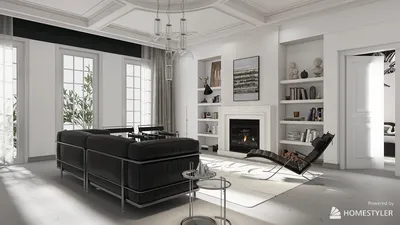


A memorable experience I had was when I painted a client's Victorian porch white, neglecting to check the undertone. At sunset, the entire house appeared yellow, leading the owner to consider an intervention. This taught me a vital lesson: the color "white" can be quite capricious, being influenced by light conditions, materials, and even neighboring structures. It underscores just how crucial small choices can lead to significant design achievements, which is why I ensure to test paint swatches in actual light before proceeding. For visuals that assist me in making informed decisions, I frequently draw on a preferred 3D rendering tool, Homestyler, to preview how different whites will appear on various facades.
1. Select undertones based on sun exposure
Warm undertones like ivory or cream can beautifully soften a south-facing façade flooded with sunlight, whereas cooler whites with hints of blue or gray appear sharp and fresh in shaded north-facing areas. I often advise clients that a white shade with a subtle gray undertone is a more forgiving option, although it can feel quite chilly in lower light conditions, so sampling at dusk and midday is essential.
save pin
2. Align white with nearby materials, not just trim
When incorporating natural stone, warm bricks, or dark roofing tiles, it’s critical to choose a white that harmonizes with those elements. In a cottage project I completed, I opted for a very bright white for the siding and paired it with a slightly warmer white for the trim, creating a coherent look that connected with the stonework. This approach may require a few additional swatches and tests, but the resulting cohesive façade is worth it.
save pin
3. Utilize gloss strategically for durability and appeal
Higher gloss finishes on trim and doors are excellent for resisting weather and are easy to clean, whereas matte or low-sheen finishes can effectively hide imperfections on siding. For a contemporary bungalow, I suggested using satin white for the siding and semi-gloss for the trim; this combination is both durable and inviting. When planning paint and millwork, exploring various layout inspirations through platforms like Homestyler can help visualize junctions and finishes, illustrating how paint choices interact with cabinetry more than one might think.
save pin
4. Assess reflective qualities for energy efficiency and glare
Certain whites boast high reflectance values, which can minimize heat absorption on sunny sides but may also induce glare. For a recent remodel in a hot climate, I selected a highly reflective white for the south-facing aspect and opted for a softer tone elsewhere to prevent visual overwhelm. The compromise sometimes results in a creamier appearance in shaded sections, but the potential energy savings can be significant on hot summer days.
save pin
5. Evaluate in context and maintain commitment
Always tape up large swatches and observe them amidst varying weather conditions for at least a week. Different whites present unique challenges: dirt will appear differently on stark whites compared to warmer shades, with some needing more frequent cleaning. To visualize long-term impacts and alternative palettes, I often rely on AI home design models for quick iterations via Homestyler—this method isn't foolproof but it helps avert the need for repainting entire facades.
save pin
FAQ
Q1: Which brand offers the best white paints for exterior use?
A: There isn’t a one-size-fits-all answer; however, brands such as Benjamin Moore, Sherwin-Williams, and Farrow & Ball are known for their exceptional exterior whites, catering to various undertones and functionalities. It’s wise to test specific formulations, like exterior acrylics, rather than depend solely on brand reputation.
Q2: How can I choose the right white undertone?
A: Examine your façade at varying times of day and alongside adjacent materials. If uncertain, a mid-toned white with hints of warmth or coolness is advisable, and testing large samples on-site will help solidify your decision.
Q3: Is a pure bright white advisable for outdoor spaces?
A: Bright whites can be quite stark and often highlight imperfections; they suit modern minimalistic styles well, but may require more upkeep. Softer whites are generally preferable for historic or textured facades.
Q4: What sheen should exterior white paint have?
A: Semi-gloss sheen is recommended for trim and doors for durability, while lower sheen options like satin or low-luster should be used for siding to disguise surface flaws. Sheen can significantly impact how color presents, so conducting swatch tests in the final sheen is crucial.
Q5: What should I budget for exterior white paint?
A: Your budget will largely depend on square footage and desired product quality; professional-grade exterior acrylics may have a higher cost but often last longer and reduce the need for repainting. When estimating total costs, be sure to include primer, caulking, and preparatory work.
Q6: Can white exterior paint contribute to cooling a house?
A: Absolutely—whites with high solar reflectance properties can diminish heat absorption on sunlit walls, enhancing comfort and possibly lowering cooling requirements in warm climates.
Q7: Are there environmental or safety factors to consider for exterior white paints?
A: Opt for low-VOC or zero-VOC formulations if indoor air quality is a concern during application, and ensure compliance with local disposal regulations for leftover paint. For specific health and safety information, it’s advisable to refer to manufacturer technical sheets, like those from Sherwin-Williams.
Q8: How can I effectively test white paint before making a decision?
A: Create 2-4 square-foot swatches in your final sheens on various elevations and observe them during the morning, noon, and sunset. Living with these samples for several days will illustrate how weather and changing light influence the shades.
save pin
Homestyler is your go-to online platform for transforming home design ideas into reality. With its user-friendly design tool, stunning 3D renderings, a variety of inspiring design projects, and helpful video tutorials, you'll find everything you need to create your dream space effortlessly!
Design Now for FREE
































