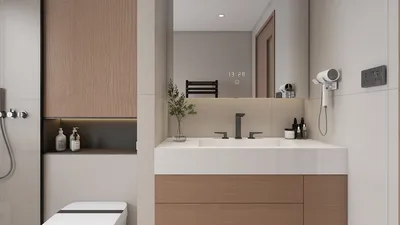


When selecting wall clocks for living rooms, I take a similar approach as I would when designing a feature wall: I balance size, finish, and sightlines to ensure the clock acts as both a piece of art and a functional timepiece. An effective clock goes beyond merely telling the time; it serves as an anchor for seating, enhances a gallery wall, and subtly influences the room's atmosphere. It's crucial to choose the right size; for many living rooms, a clock with a diameter of 20 to 32 inches is ideal for a wall accommodating a 10 to 12-foot sofa, achieving a comfortable focal ratio of approximately 0.25 to 0.35 of the wall width. Additionally, consider brightness and glare; the Illuminating Engineering Society suggests a target ambient horizontal illuminance of 10 to 30 footcandles for living areas (according to IES lighting practice), ensuring the dial remains legible without unwanted hot spots.
A singular, focal clock can effectively minimize visual clutter compared to multiple smaller decor items. Research from Steelcase indicates that a coherent visual hierarchy enhances orientation and reduces cognitive overload; this principle applies in home settings as well, facilitating a more organized visual experience for occupants. The choice of colors also plays a significant role in influencing mood; cool tones like blues and greens promote tranquility and concentration, while warm neutrals encourage social interaction, aligning with established findings from color psychology at Verywell Mind. For fostering well-being, the WELL v2 standards emphasize minimizing glare and ensuring comfortable viewing distances—concepts applicable to clock placement. For additional design guidance on natural light, glare management, and visual comfort, consider referencing WELL v2’s lighting recommendations.
Choosing the Optimal Size and Position
Prioritize scale before style. If the clock is intended to be the main focal point, its diameter should be close to one-third of the furniture piece below it; typically, for a console or sofa measuring 72 to 84 inches, a clock of 24 to 28 inches feels proportionate. Position the clock centrally between the seating eye levels—generally, this is around 57 to 63 inches from floor to clock center in most homes. Ensure there is at least 8 to 12 inches of empty space around the clock to maintain a clean silhouette. When organizing the furniture and clock alignment along a complete wall, utilizing a room design tool can help visualize balance, flow, and sightlines before making any modifications.
interior layout planner
Material Considerations: Wood, Metal, Glass, and Composites
The choice of materials sets the tone and ensures longevity. Solid oak or walnut clocks add warmth and tactile richness, functioning exceptionally alongside fabrics like boucle and wool. Powder-coated steel or brushed brass lends a sharp, modern touch and is more resistant to moisture than bare ferrous metals. Clocks with glass faces that feature anti-reflective coatings help reduce glare from natural light or spotlights; aim for matte or low-sheen finishes for rooms with expansive south-facing windows. Eco-friendly composites, such as FSC-certified veneers over MDF with low-VOC finishes, perform reliably throughout the year and are less prone to warping.
Dial Design, Typeface, and Readability
Achieving legibility hinges on contrast, stroke width, and minute marks. Black numbers against a warm light background (LRV 60 to 75) are easy to read in daylight, while at night, ensure supplementary lighting provides at least 10 footcandles on the dial surface. Choose sans-serif numerals for contemporary styles, or opt for more slender serifs in classic designs; consistent stroke thickness is key to ensuring the minute hand remains distinct from numerals at a glance. In open-concept designs, incorporating a seconds hand can deliver a subtle kinetic feel, giving the wall a gentle rhythm without overwhelming the visual space.
Movement Types: Quartz, Sweep, and Mechanical
Quartz movements are known for their reliability, affordability, and low maintenance needs. A continuous sweep second hand eliminates ticking sounds, which can enhance acoustic comfort for conversations and viewing. Mechanical clocks, while often considered romantic, require regular winding and may produce a soft ticking sound; place these away from main seating areas if you're sensitive to noise. If chimes are a must-have, select adjustable chimes and verify the volume levels—keep peak chime sounds below the average conversational level (around 60 to 65 dB) to prevent auditory fatigue.
Managing Light, Glare, and Shadows
Lighting highlights details and ensures legibility. Utilize a dimmable light fixture or angled track lighting directed at 30 to 45 degrees towards the clock face to avoid reflective glare. When combining natural and artificial light sources, aim to balance the color temperature—2700 to 3000K LEDs create a warm and inviting atmosphere in living spaces. Use shades to cover bare bulbs and diffusers to soften harsh shadows across the dial, particularly in rooms with strong afternoon sunlight. Effective lighting not only aids in time-telling but also prevents a bright, harsh edge from drawing attention away from the clock's calming presence.
Color Psychology: Influencing Time Perception
Color affects mood and behavior. A deep indigo clock cananchor an energetic room, whereas terracotta or warm taupe shades promote engagement. High-intensity reds can invigorate, but should be used sparingly—on clock hands or index points—to provide visual cues without overstimulating. In neutral color schemes, incorporating a metallic finish (like brass or smoked bronze) can add dimension and elegance. Maintaining a cohesive palette within the existing room color scheme prevents competition among design elements.
Proportions and Visual Rhythm
Think beyond a single clock as a circle on the wall. Establish rhythm by aligning the clock’s center line with architectural features—such as a fireplace, window frames, or the center of the sofa. Pair a striking clock with simpler sconces or a narrow picture ledge underneath to balance the overall composition, aiming for a 1:1.6 golden ratio between clock size and the nearest structural element whenever possible. On gallery walls, treat the clock as a timing marker: allow for slightly larger spacing around it compared to the frames, so the visual flow is naturally restful.
Creating Acoustic Comfort Around the Focal Wall
Hard surfaces can amplify ticking sounds. If your clock has an audible mechanism, soften the wall with elements like a wool rug, fabric panels, or lined drapes across the room to temper sound reverberation. Avoid placing large, hard tiles or stone directly opposite unless they are paired with acoustic materials. The aim is to cultivate a living area that feels welcoming and conversational, even when the clock is the only source of sound.
Sustainability and Upkeep
Invest in clocks with replaceable movements and standard battery sizes to extend their lifespan. Opt for low-VOC finishes and responsibly sourced materials; consult third-party material databases for assurance. Regular dusting helps maintain contrast, with non-ammonia cleaners recommended for glass-faced clocks to prevent streaks that could amplify glare. For metallic clocks, a microfiber cloth can help eliminate fingerprints without catching reflections.
Arranging Layouts and Styling Tips
- Above a mantle: Center the clock, maintaining 6 to 8 inches above the mantle surface, flanked with relatively slender decorations like candlesticks or small ceramics to keep visual weight minimal.
- Over a media console: Size the clock to about one-third of the console's width and slightly offset it if the television serves as a visual anchor, preventing competition for visual attention.
- In a gallery wall: Let the clock be positioned marginally higher than adjacent frames to function as a rhythm anchor; ensure closer spacing at the clock's bottom edge so the overall composition flows upward.
- For narrow walls: Consider elongated or vertical regulator-style clocks to complement the wall proportions without overcrowding. When planning these selections, utilizing a room design simulation tool can assist in confirming clearances and circulation prior to making any investments.
layout simulation tool
Indicators of Cost and Quality
Quality is evident in the weight, finish accuracy, and hand alignment of clocks. Smooth movements, consistent paint quality, and tight bezel joints indicate meticulous manufacturing. If the clock feels lightweight compared to its size, check the support and mounting integrity; robust, well-constructed frames resist warping and maintain the clock face's alignment.
Frequently Asked Questions
For a standard sofa wall, selecting a clock with a diameter between 20 to 32 inches maintains visual harmony. Target approximately one-third of the width of the furniture beneath.
Position the clock between 57 to 63 inches above the finished floor, adjusting based on seating height and ceiling clearance.
Opt for matte finishes, use indirect or angled accent lighting set at 30 to 45 degrees, and avoid placing the clock directly across from large windows.
Choose a continuous sweep quartz movement to decrease audible ticks and enhance acoustic comfort.
Cool blues and gentle greens promote a sense of calm, whereas warm neutrals foster a friendly atmosphere. Use high-saturation colors only as accents on hands or markers.
Yes, but maintain visual hierarchy. Offset the clock or adjust its size to ensure it adds to the composition rather than competing with the display screen.
Maintain ambient lighting at levels between 10 to 30 footcandles in living areas and provide gentle accent lighting to eliminate shadows across the dial.
Both options are durable when made properly. Brass is resilient to moisture while providing an elegant finish; solid or veneered hardwoods contribute warmth and texture.
Position the clock slightly higher than adjacent frames, expand spacing above and below, and ensure adequate contrast for quick time reading.
Select low-VOC finishes, sustainably sourced materials, and clocks featuring replaceable movements to prolong their usable lifespan.




Homestyler is ideal for anyone looking to transform their living space. With its user-friendly online design tool, stunning 3D renderings, and informative video tutorials, it empowers you to create and visualize your dream home effortlessly. Unleash your creativity today!
Дизайн сейчас бесплатно
































