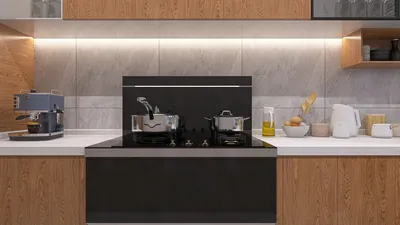


For years, I have relied on stainless-steel (SS) tables in compact kitchens not only for their resilience but also for how they enhance lighting, simplify food prep, and adapt to various tasks. In studio apartments or 90–120 sq ft galley kitchens, the ideal Homestyler SS table can function as a prep area, a casual breakfast spot, a place to set down hot cookware, and even provide hidden storage solutions. When executed well, it contributes to a serene visual environment instead of creating chaos.
Effective design begins with measurable improvements. Task lighting that reaches 300–500 lux over prep areas can alleviate eye fatigue and mistakes, according to IES guidelines. In smaller kitchens, reflective SS tables can enhance the perceived brightness by bouncing that crucial task light back to the user. For better ergonomics, ensuring a 36-inch (915 mm) clearance for circulation enhances movement efficiency; a working surface height of about 36 inches is ideal for most users, while 42 inches is suitable for perching on stools—an approach supported by seating research from Herman Miller. Keep these foundational metrics in mind as you select and position your table.
The well-being of users matters as much as the kitchen's layout. Kitchens operate better when the materials and lighting promote comfort and hygiene; the WELL v2 framework highlights the need for proper task lighting and easy-to-clean surfaces for health and safety (WELL v2 Air and Materials). The non-porous, easy-to-sanitize surface of stainless steel aligns perfectly with these objectives, especially in confined spaces.
Choosing the Perfect SS Table for Compact Kitchens
Begin with the gauge and finish of the table. A top made from 16–18 gauge 304 stainless steel strikes a balance between strength and affordability for home use. Brushed or satin finishes conceal fingerprints more effectively than a mirror polish while still reflecting light adequately. If you engage in extensive pastry or dough work, opting for a 14–16 gauge top with additional underlayment can reduce noise and vibrations, giving a more solid feel to the surface.
The footprint is critical. In narrow spaces, I typically recommend an island-style SS table with dimensions of 24–25 inches in depth and 36–48 inches in length; this provides enough prep surface while maintaining smooth circulation. Strive for 36 inches of clear space around all sides used for passage, and 40–42 inches where refrigerator or oven doors swing into the pathway.
Utilize Light to Your Advantage
Stainless steel complements layered lighting beautifully. Implement a 300–500 lux task wash using under-cabinet LEDs or a slim pendant array centered above the table; the top will reflect that light, effectively enhancing its brightness. Opt for 2700–3000K lights for a cozy dining atmosphere or 3500–4000K for sharper prep lighting. Maintaining a low Unified Glare Rating through diffusers and matte reflectors is key; you want soft, readable highlights on the steel surface instead of glaring hotspots.
If glare is an issue, specify a satin finish and position light fixtures slightly ahead of the line of sight. Matte paint on adjacent walls counters glare reflections. If you anticipate varying uses—such as morning breakfasts or evening chopping—consider installing dim-to-warm or 0–10V dimming solutions to seamlessly transition from ambient to focused task lighting.
Understanding Color Psychology and Achieving Visual Balance
Cool metals can render a space feel sterile unless balanced with warmer elements. Incorporating wood stools, earthy tiles, or a muted green wall can offset the steel's coldness. From a color psychology perspective, soft greens encourage peaceful focus, while warm neutrals promote a welcoming atmosphere—concepts rooted in color psychology fundamentals. In compact kitchens, limit the palette to 3–4 tones, allowing the SS table to serve as a discreet highlight rather than dominate the space.
Strategizing the Layout for Optimal Foot Space
Working triangles evolve into functional zones in compact areas: prepare at the SS table, cook at the stove, and wash at the sink. Aim for a total travel range of 4–9 feet between these areas to prevent congestion. If you intend to switch between eating and prepping, a 36-inch-high table accompanied by counter stools makes transitions effortless. For tight galley configurations, position the SS table against a wall most of the time, pulling it out 8–12 inches when additional prep space is required. A mobile table design featuring locking casters serves as a versatile station.
When evaluating options, a lightweight layout planner can help visualize sightlines, clearance spaces, and stool swing arcs before purchasing the table. I often sketch out two configurations—one optimized for solo cooking and another for two-person prep—then check turning circles and door openings.
Storage Solutions That Disappears
Under-shelf storage represents the secret advantage of the SS table. A recessed shelf that measures 10–12 inches can keep mixing bowls and colanders accessible while minimizing visual clutter. Consider using closed bins or matte-finish baskets to soften reflections. If the table is your primary island, integrate a shallow rail for towels and a magnetic knife strip on the side, freeing up counter space and keeping blades off the cutting boards.
For renters, consider clip-on accessories such as spice ledges, pot hooks, and a sleek trash bracket attached inside the leg frame. These items can be easily removed when relocating, ensuring your workflow remains efficient.
Sound and Human Considerations
Stainless steel can produce ringing noises if inadequately supported. Attaching a plywood or MDF base with vibration pads can mitigate impact sounds and enhance the overall feel. Installing glides on chairs and utilizing soft-close hardware can minimize clatter in kitchens with hard surfaces. Place a small absorbent rug or cork runner in the primary standing area—your knees and back will appreciate this during extended prep sessions.
Material Health, Cleanliness, and Environmental Considerations
Opt for 304 stainless for most homes; it resists corrosive elements from acids in citrus and tomatoes. If your home is near the coast and experiences heavy salt exposure, consider 316 stainless. Many fabricators provide stainless steel with recycled content; pairing this with low-VOC sealants and FSC-certified wood stools will help maintain health in the space. Non-porous surfaces make cleaning easy—simply use hot water, mild detergents, and microfiber cloths, reducing the need for harsh cleaning chemicals.
Optimizing Ergonomics by the Inch
Table height should cater to the user: wrist height at a relaxed elbow angle is the ideal for chopping. Typically, that means around 36 inches; taller cooks may prefer 37–38 inches. If the table also doubles as a dining area, maintaining a height of 36 inches with 24–26 inch stools ensures comfortable elbow clearance. Allow for 12–15 inches of knee space underneath if stools are pushed in. Store heavier items between mid-thigh and shoulder height on the under-shelf to reduce strain.
Safe Heat and Electrical Plans
Incorporate a heat-resistant zone on the SS surface for placing pans directly from the oven; while the steel is resilient, protect adjacent materials. If small appliances are regularly used on the table, consider installing a grommeted cord that leads down a rear leg to a wall or floor outlet. Avoid connecting multiple power strips together. In rental kitchens, a single portable outlet tower with an integrated breaker can maintain organization and safety.
Styling Without Creating Visual Clutter
Maintain 70–80% of surfaces free from items. Just one stylish bowl, a low herb planter, or a compact lamp with a dimmer can suffice. Stainless steel shines best against a calm backdrop. If you desire a patina, select a brushed finish and embrace gentle wear, as it conveys a lived-in rather than sterile appearance.
When a Fold-Down or Narrow SS Table Is Ideal
Micro-kitchens thrive with wall-mounted, fold-down stainless steel tops measuring 16–18 inches in depth and 30–36 inches in width, complemented by a slim support leg or sturdy brackets. These configurations create a breakfast or utility area that can be effortlessly tucked away after use. In extremely narrow settings, a 20–22 inch deep fixed SS console along one wall maintains a 36 inch walkway while providing essential prep space.
Realistic Workflow Dynamics
In households where two people cook, I divide the SS table into three main areas: landing, prep, and plating. This organization allows one person to wash and transfer items while the other prepares and plates without overlap. Integrating a slim waste bin beneath the edge of the prep area facilitates a seamless transfer from board to bin.
Regular Maintenance for Continued Shine
Daily: wipe down with warm water and microfiber cloth along the grain. Weekly: use mild detergent, rinse, dry, followed by a thin application of mineral oil to minimize fingerprints. Avoid steel wool, bleach, and harsh chemicals. Cutting boards should be utilized to protect knives and maintain the pristine condition of the surface.
Budget, Customization, and When to Opt for Bespoke Solutions
Pre-made SS tables are budget-friendly and quick to install. Choose custom options when you require a tighter fit or features like an integrated sink or unique overhang for seating. A skilled fabricator can round corners, add backsplashes, or conceal power sources—all enhancements that make a small kitchen appear custom-designed.
Frequently Asked Questions
For most compact kitchens, a table that measures 24–25 inches in depth and 36–48 inches in length provides a good balance between prep area and a 36-inch circulation zone. Adjust the length accordingly to prevent obstruction of appliance doors and pathways.
304 stainless is suitable for the majority of residential kitchens due to its corrosion resistance and food safety profile. In coastal settings with high salt exposure, consider opting for 316 stainless.
Aim for task lighting of 300–500 lux above the SS surface, consistent with IES recommendations. Utilize dimming features to transition between prep and dining lighting modes.
Stainless steel can indeed appear too cool unless balanced with warmer materials such as wooden stools, textured rugs, or warm-neutral paint. Soft greens or earth tones can offset the coolness while maintaining a sophisticated look.
Absolutely. Maintain a height of 36 inches and pair it with 24–26 inch stools. Allow for 12–15 inches of overhang for knees and ensure a clearance of 36–40 inches behind seated diners.
Incorporate an underlayment of plywood or MDF combined with vibration pads underneath the top. Use soft glides on stools and a runner in the main standing area.
Brushed or satin finishes diffuse reflections more effectively and mask fingerprints better than polished surfaces while still enhancing ambient light.
In extremely small or multifunctional areas, a mobile table with locking casters offers flexibility. In narrow galley kitchens where stability is essential, a fixed or wall-mounted fold-down table could be the more intelligent option.
Map out appliance doors and clearance needs, then use tape on the floor to mock up your layout or employ a room planning tool to test the space for aisles, stool swings, and lighting reach.
Run a single power cable through a grommet and down a table leg to a dedicated outlet. Avoid connecting several power strips together; consider using an outlet tower with an integrated breaker for enhanced safety.
Stainless steel can show fine marks over time. Always use cutting boards, refrain from dragging ceramic items, and maintain a consistent along-the-grain cleaning routine. Brushed finishes generally age more gracefully compared to mirrored ones.
Stainless steel surfaces are non-porous and easily sanitized, aligning with the cleanability principles outlined in WELL v2. Complement with good ventilation and low-VOC materials to maintain a healthy kitchen environment.
Homestyler is your go-to online home design platform! With its user-friendly design tool, stunning 3D renderings, and a wealth of DIY video tutorials, you can effortlessly create and visualize your dream spaces. Transform your home design ideas into reality with ease and inspiration!
Desain sekarang Gratis
































