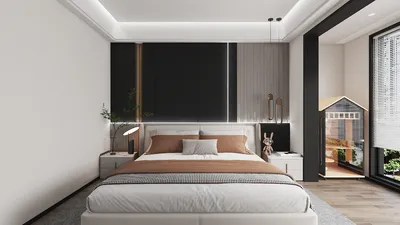


Selecting the ideal sofa for your drawing room is a fundamental choice that influences the overall atmosphere, circulation, and comfort. In 2024, key trends will marry sculptural designs with ergonomic functionality and eco-friendly materials, while preserving the room's social interaction. Research from Steelcase highlights that the geometry of seating and posture support significantly impacts perceived comfort within the first 10 to 15 minutes of use, emphasizing the importance of cushion density and lumbar support in lounge areas. Additionally, the WELL v2 framework connects ergonomic seating to improved comfort and mental well-being, promoting supportive postures and clear sightlines to enhance relaxation.
The choice of color is equally crucial in interior design. Insights from Verywell Mind indicate that soft greens and muted blues can lower heart rate variability and help reduce stress, making them effective foundational colors for living spaces intended for interaction and leisure. Findings from Gensler on spatial experiences stress the importance of visual balance and lighting quality as significant factors in creating a welcoming environment at home. You can achieve this by harmonizing your sofa's design with a thoughtful lighting scheme, incorporating layers of ambient, task, and accent lighting, and using color temperatures between 2700 and 3000K to ensure evening comfort, as suggested by IES residential guidelines.
Top Trends in Sofa Selection for Drawing Rooms in 2024
• Sculpted modular designs: Low-profile modular sofas featuring soft, rounded edges create adaptable seating areas. This approach allows for adjustments in seat depth—usually ranging from 20 to 23 inches for optimum comfort—while managing sightlines around coffee tables and entertainment units.
• Soft curves: Subtle arcs help ease movement and minimize collision points, particularly in compact spaces. Curved couches accommodating two or three people enable intimate conversation while maintaining an ideal distance of 7 to 9 feet for dialogue.
• Varied upholstery textures: Combining textured fabrics like bouclé or chenille with smoother, performance-oriented weaves achieves a pleasing tactile experience. This keeps the visual appeal serene yet rich in texture.
• Slim arms, spacious seating: Streamlined armrests allow for a wider seating area without increasing the overall size of the sofa. A depth of 34 to 38 inches, with consideration for cushion loft, offers a perfect balance between lounging and sitting upright comfortably.
• Raised legs for an airy feel: Sofas elevated on legs measuring 5 to 7 inches enhance the perception of space and improve airflow around heating sources or pet areas.
Understanding Ergonomics and Human Factors
A seat height of approximately 16 to 18 inches aligns the hips and knees of most adults, minimizing strain when standing up. For suitable back support while reading or conversing, a back angle between 100 and 110 degrees is recommended. To ensure optimal viewing comfort, position your main sofa 8 to 10 feet away from a 55 to 65-inch screen, avoiding direct lines of glare; the WELL v2 guidelines advise minimizing visual discomfort through careful management of luminance contrasts and distinct lighting areas.
The Role of Color Psychology in Fabric Choices
For drawing rooms used throughout the day, I recommend a palette of layered neutrals (such as stone, warm gray, and sand) accented by desaturated blues or sage greens—colors shown to foster calmness according to Verywell Mind's research. In terms of fabric selection, opting for performance polyester blends with a Martindale rating exceeding 40,000 cycles is advisable for durability in family settings. Wool-blend bouclé is cozy but might be overly thermal in warmer climates, so it’s wise to specify removable and zippered cushion covers for easy care.
Emphasizing Material Sustainability
Consider choosing frames made from FSC-certified hardwood, paired with water-based adhesives and low-VOC foams. Solutions like recycled polyester and solution-dyed acrylics can significantly reduce water usage during the dyeing process. If leather is a preference, seek out chrome-free, vegetable-tanned types to minimize harmful processing.
Understanding Proportions and Spatial Ratios
• Ideal sofa-to-room width ratio: A ratio between 0.35 and 0.45 generally works well for most apartments, whereas larger spaces can accommodate up to 0.5 with sectional styles.
• Circulation pathways: Maintain clear spaces of 30 to 36 inches behind and around the sofa to facilitate movement.
• Coffee table positioning: Keep the coffee table 14 to 18 inches away from the front of the sofa for easy access without collision.
• Conversation layout: Aim for a distance of 7 to 9 feet across the seating area, arranging accent chairs to prevent ‘bowling alley’ sightlines.
Effective Layout Strategies for Diverse Room Types
• For narrow living rooms: Select a slim three-seater (80 to 86 inches) with a chaise to steer traffic flow efficiently along the longer wall. Floating the sofa 6 to 8 inches from the wall can enhance the sense of space.
• In square spaces: A curved two-seater accompanied by swiveling chairs creates flexible conversation areas, steering away from stiff right angles.
• In open-plan designs: Using a modular L-shaped sofa helps outline boundaries without obstructing sightlines. Be sure to choose a rug size that accommodates at least the front legs of the furniture to visually anchor the arrangement.
Utilizing a room layout tool can be instrumental in testing configurations, as it helps you visualize clearances and viewing angles before finalizing any purchases. Explore using a room layout tool to optimize your space.
Lighting and Acoustic Comfort in Living Spaces
Incorporate ambient lighting within the range of 2700 to 3000K for relaxing evenings, while opting for 3000 to 3500K for clear daytime illumination. Wall washers can help to soften the appearance of texture-rich upholstery, reducing harsh glare. Acoustic quality can be enhanced by placing your sofa against soft surfaces—like rugs and curtains—to curb echo effects. Position hard surfaces like coffee tables away from primary reflection paths, especially if there are large windows involved.
Most Popular Sofa Configurations in 2024
• Modular sectionals with chaise: These pieces offer maximum versatility for family areas, accommodating various lounging and working postures while allowing easy rearrangement.
• Compact tuxedo sofas: With straight arms matching the back height, these sofas add a formal touch that's ideal for smaller drawing rooms.
• Curved conversation sofas: These designs promote sociability and can be effectively paired with a round ottoman to smooth out movement in the room.
• Two-piece sets: A combination of a three-seater and a swivel chair provides a balanced look without overcrowding smaller spaces.
• Bench-seat sofas: Featuring a single long cushion, these styles minimize visual clutter and are well-suited for tight configurations.
Integrating Texture, Pattern, and Visual Harmony
To counterbalance bulky upholstery, I prefer lighter side tables and translucent lamps. Keep the patterns on the sofa understated; instead, incorporate them through pillows or throws. Achieve visual rhythm by alternating between solid colors and various textures across your seating arrangement, such as smooth leather paired with woven pillows, and matte wood combined with soft rug textures.
Ensuring Longevity and Easy Maintenance
Choose high-resilience foam (HR 2.8–3.0 lb/ft³) wrapped in fiber for durability and shape retention. Ensure stability with double-stitched seams at critical points and kiln-dried frames. Monthly cushion rotation and gentle vacuuming will help prevent wear and maintain the upholstery's appearance.
For further insights into comfort and posture support relevant to lounge seating, consider exploring Herman Miller’s human factors research. For health-centric guidance on comfort, lighting, and visual environments, refer to the WELL v2 standards.
Frequently Asked Questions
Q1: What depth should my sofa have for both lounging and conversation?
A: A total depth of 34 to 38 inches with a seat depth between 20 to 23 inches offers an ideal balance of comfort for both lounging and sitting upright. Curved backs can enhance face-to-face interaction without requiring chairs to be angled.
Q2: How do I select colors that exude calmness yet sophistication?
A: Start with warm neutral tones and introduce desaturated blues or sage greens. These colors are associated with lower stress levels in color psychology studies, ensuring a composed environment.
Q3: What lighting complements my sofa for evening comfort?
A: Implement ambient lighting within the 2700 to 3000K range, alongside dimmable floor lamps strategically placed to minimize glare on fabric and screens.
Q4: Is a modular sectional sofa too cumbersome for a compact drawing room?
A: Not if you opt for slim-arm modules and maintain 30 to 36 inches of clearance for easy movement. Using a chaise in place of a second sofa can effectively preserve flow while enhancing seating capacity.
Q5: Which fabrics are best for homes with children or pets?
A: Performance weaves, particularly polyester blends with high Martindale ratings, solution-dyed acrylics for fade resistance, and removable cushion covers are advisable. Avoid loose-loop fabrics like heavy bouclé if pets are a concern.
Q6: What is the ideal height for a sofa seat?
A: A seat height of 16 to 18 inches works well for most individuals, keeping knees in line or slightly below hip level to facilitate standing. Pair with coffee tables ranging from 16 to 18 inches in height for ergonomic access.
Q7: Can a curved sofa fit nicely in a rectangular room?
A: Absolutely. Curved sofas soften angular corners while guiding traffic flows harmoniously. Pair with a round or oval coffee table to reflect the sofa’s curve and ensure comfort during use.
Q8: What sustainable features should I prioritize in furniture?
A: Look out for FSC-certified frames, low-VOC adhesives, chrome-free leathers, and recycled fabrics. It's beneficial to request third-party certifications from manufacturers if available.
Q9: How can I prevent my living space from feeling cramped?
A: Aim for a sofa-to-room width ratio of around 0.35 to 0.45, float the sofa a few inches away from walls, and opt for elevated legs to showcase more flooring.
Q10: Should I coordinate my sofa with the rug or the wall colors?
A: Prioritize matching undertones first. If your walls boast cool tones, select a neutral sofa with similar undertones; the rug can bridge colors and delineate the seating area effectively.
Q11: What’s the appropriate distance from the TV for a 55 to 65-inch screen?
A: Aim for around 8 to 10 feet for a comfortable viewing experience without strain on the eyes. Dimming ambient lights and avoiding direct glare can enhance visual comfort.
Q12: How can I maintain my cushions’ shape over time?
A: Use high-resilience foam interiors wrapped in fiber, rotate cushions regularly, and avoid resting on arms to prevent distortion. Gently vacuum upholstery to maintain its fabric integrity.
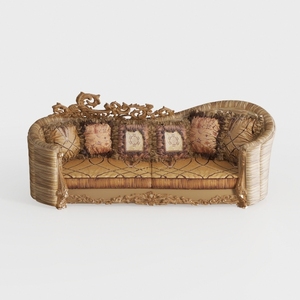
American Furniture Classics Model Two Piece Sofa
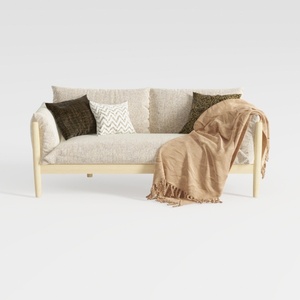

LINSY Futon Sofa Bed: 71 Inch Corduroy Futon Couch

RENDGO Velvet Loveseat Sofa, 64.2'' Mid Modern Sma
Homestyler is your go-to online platform for all your home design needs. Featuring an easy-to-use design tool, stunning 3D renderings, and a wealth of DIY video tutorials, it empowers you to create your dream spaces effortlessly. Transform your ideas into reality today!
Design Now for FREE
































