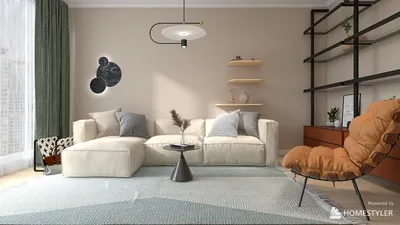


I have designed numerous small sofas equipped with fold-out beds for studios, guest accommodations, and versatile living areas. The ideal choice can efficiently convert a limited space into a comfy, adaptable area—achieved by balancing dimensions, ergonomics, and materials that suit everyday use. For compact settings, I recommend sofas that stay below 75 inches in width while featuring a fold-out design that ensures at least 30 inches of clearance for nearby movement. This measurement accommodates the minimum passage width commonly utilized in residential layouts, preventing late-night obstacles when accessing the bed.
Prioritizing comfort is essential. The quality of sleep directly influences daytime effectiveness, and studies highlight the connection between ergonomic support and overall well-being. The WELL v2 Sleep feature focuses on appropriate sleep surfaces and ergonomic backing as integral parts of comprehensive health criteria. While it doesn’t dictate mattress thickness, it regards these surfaces as crucial for occupants’ wellness. In parallel, Herman Miller’s workplace studies link rest and recuperation with cognitive performance and productivity, underscoring a simple fact: select a fold-out bed that provides mattress-like comfort, rather than being a subpar option. To ensure material durability in compact residences, the NKBA’s recommendations on high-usage residential fabrics also play a crucial role; I suggest opting for abrasion-resistant textiles and reinforced frames for sustained use. For more detailed information, check WELL v2’s health and environment guidelines at wellcertified.com and Herman Miller’s research at hermanmiller.com/research.
Essential Measurements and Spatial Ratios
When considering small fold-out sofas, I keep three key ratios at the forefront: the ratio of seat width to room width (ideally between 0.35 to 0.45 of the wall length to prevent a ‘swallowed’ appearance), the space needed in front of the pull-out (30 inches minimum, or 36 inches if you wish to maintain functionality of a side table), and the height of the back in relation to window sills (the sofa should remain 2 to 4 inches below the sill to avoid obstructed views). Most compact sleeper sofas typically measure 60 to 75 inches in width, 32 to 36 inches in depth, and 30 to 34 inches in height. When fully extended, expect a total depth of 80 to 90 inches. Be sure to design circulation paths so that the front edge of the bed does not interfere with the main door’s swing.
Mechanisms: Pull-Out, Click-Clack, and Trundle
The mechanism is vital for comfort. Pull-out mattresses, whether traditional fold-over or tri-fold foam varieties, generally provide superior spinal support, especially those featuring a pocket-coil or high-density foam core. Click-clack futon backs are quicker to fold flat and lighter, but they distribute body weight directly onto the seat deck—suitable for occasional guests but less ideal for regular use. Trundle-style units can offer a nearly queen-sized layout with two stacked surfaces; just ensure the seam does not align with the sleeper’s lower back. Always test the mechanism: ease of operation, adequate hand clearance, and safe hinges are crucial in compact spaces.
Ergonomics: Seat Angle, Cushion Density, and Sleep Quality
Comfort for daily seating relies on a seat height of 17 to 18 inches and a seat depth of 20 to 22 inches for most users, with a 5 to 7-degree seat angle. Cushion density of approximately 1.8 to 2.2 lb/ft³ foam balances softness with necessary support; for sleeping, seek fold-out mattresses made with 2.0 to 2.5 lb/ft³ high-resilience foam or pocket coils. For frequent side sleepers, prioritize a slightly softer top layer to alleviate shoulder pressure. For multi-purpose rooms, choose arm styles that can also serve as a stable resting place; square arms around 24 to 26 inches in height are suitable for laptop work.
Materials and Sustainability
In smaller homes, surfaces face frequent touch. I recommend performance fabrics (at least 50,000 double rubs on Wyzenbeek) and stain-resistant treatments, paired with removable covers when feasible. Frames made from kiln-dried hardwood are more resistant to warping compared to softer woods. If indoor air quality is a priority, select low-VOC finishes and emissions-certified foams. For material research and verification, Material ConneXion offers valuable insights into various fiber blends and coatings at materialconnexion.com.
Lighting, Color, and Visual Harmony
Color can significantly alter the perception of space in smaller areas. From a behavioral standpoint, cooler tones appear lighter and make furniture feel less overwhelming. According to Verywell Mind’s color psychology insights, blue shades are frequently associated with tranquility and stability; in compact bedrooms and studio apartments, they aid in reducing visual strain. Combine lighter upholstery with a darker rug to balance the layout without cluttering the visual line. When the sofa is by a window, minimize glare with soft shades; aim for ambient lighting levels between 150 and 300 lux for evening relaxation, increasing to 300 to 500 lux for bed-making activities. Position task lighting behind or beside to avoid shadows on the sleeping surface.
Sound Comfort
Fold-out beds can create harder sleeping areas adjacent to living spaces. Use soft window covers, plush rugs, and cushioned ottomans to lessen echo. Strive for an RT60 under 0.6 seconds in small areas; sophisticated equipment isn't necessary—simply emphasize porous materials and limit large unbroken hard surfaces.
Layout Techniques for Compact Rooms
Position the sleeper along the longest wall, aligned centrally for balanced sightlines. In studio settings, place a low console behind the sofa to divide the living and sleeping areas when the bed is open. Maintain at least 18 inches between the arm of the sofa and nearby furniture for comfortable movement. If you’re starting from scratch or weighing alternatives, employing a room layout tool can assist in visualizing space for both seated and open positions: room layout tool.
Storage Solutions
Seek designs with storage underneath the chaise or the seat deck for linens. If storage isn't incorporated, consider a lift-top coffee table for bedding. Ensure the bedding stack remains below 8 inches in height for easy access and air circulation.
Mattress Varieties and Frequency of Use
For frequent use, select a mattress with a height of 4 to 5 inches featuring high-resilience foam or a pocket-coil core; for less frequent visitors, a 3 to 4-inch quality foam mattress may suffice. Memory foam can retain heat in compact areas—add a breathable topper if necessary. If two individuals will share the bed, check for proper center support and firmness at the edges to prevent rolling off.
Durability of Mechanisms and Frames
Typically, metal frames with welded joints tend to endure longer than bolted constructions in heavily used sofas. Check hinge tolerances and test for stability by applying lateral force to the open deck. A seamless, single-handed lift is ideal for the regular opening and closing of the bed.
Safety Considerations and User Factors
Be cautious of potential pinch points around the mechanism, especially for pets. Ensure safety features like rounded edges and ample clearance are present. Maintain a gap of 2 to 3 inches from walls to safeguard finishes and avoid placing the sofa in the swing path of doors. When hosting guests, use a power strip with tidied cords to reduce trip hazards.
Design Trends for Convertible Sofas in 2025
Compact sofas with slim arms and concealed storage are trending, alongside modular designs that transform into daybeds without cumbersome metal frames. Durable performance fabrics, boucle textures, and warm neutral tones are still in vogue, often paired with matte black or brushed aluminum legs for a lighter aesthetic appeal.
Checklist for Buying
- Width under 75 inches for small spaces, with 30 to 36 inches clearance in front when opened
- Mattress material: high-resilience foam or pocket-coil; confirm thickness and edge support
- Mechanism: smooth functioning, minimal pinch hazards, manageable weight
- Fabric durability requirement: ≥50,000 double rubs; preferable to have removable and cleanable covers
- Frame construction: look for kiln-dried hardwood or welded steel
- Test for sitting and sleeping comfort if possible; ensure lower back support and shoulder comfort are adequate
- Verify that the opened length does not obstruct doors or key pathways
- Consider integrated storage solutions for linens; ensure ventilation and moisture control are present
FAQs
Q1: What size small sofa is ideal for a studio?
A: Maintain dimensions between 60 to 72 inches in width to strike a balance between seating capacity and the required clearance of 30 to 36 inches when the bed is extended.
Q2: How thick should a fold-out mattress be for regular usage?
A: Aim for 4 to 5 inches of high-resilience foam or a pocket-coil core for weekly use. Always check edge support to avoid rolling off.
Q3: Is a pull-out or click-clack mechanism more comfortable?
A: Pull-out systems equipped with dedicated mattresses typically provide superior spinal support. Click-clack futons, being lighter and quicker, are more appropriate for occasional use.
Q4: How should lighting be arranged around a sleeper sofa?
A: Aim for ambient lighting of roughly 150 to 300 lux for relaxation and increasing to 300 to 500 lux when converting the bed. Use diffused shades to mitigate glare near windows.
Q5: What fabric is most resilient in compact, high-usage settings?
A: Select performance fabrics rated at or above 50,000 double rubs, with stain-resistant finishes and removable covers for durability in small homes.
Q6: Can color choices help make a compact sofa appear lighter?
A: Absolutely. Cooler, lighter shades tend to visually recede. Blues often evoke calmness and stability, corroborating common observations made in color psychology studies by Verywell Mind.
Q7: How much clearance is necessary around an opened fold-out bed?
A: Keep at least 30 inches of space in front for circulation; 36 inches is recommended if you need side tables or additional storage areas to remain accessible.
Q8: What eco-friendly considerations should be taken into account?
A: Opt for low-VOC finishes, durable structures, and textiles designed to resist early wear. Focus on repairable mechanisms and replaceable covers to prolong usage life.
Q9: How can I enhance sound quality in a hybrid living/sleeping area?
A: Incorporate soft surfaces such as rugs, drapes, and upholstered items to decrease sound reverberation. Aim for a brief decay time so conversations and late-night activities don't echo.
Q10: How do I avoid pinching fingers with a sofa bed mechanism?
A: Review the hinge design, carefully test the opening and closing process, and keep hands clear of folding joints. Rounded edges and protected hardware are beneficial.
Q11: Are there layout tools available to visualize fit before purchasing?
A: Indeed. Using a room layout tool can help you visualize the sofa in both its closed and opened state and confirm clearance and door swing space: room layout tool.
Q12: What design trends should I consider in 2025?
A: Hidden storage features, slimmer arm designs, modular units that convert into daybeds, and performance fabrics with textured finishes in warm neutrals are leading the market.
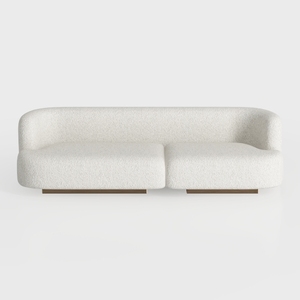
Modern Curved Sectional Sofa, Boucle Fabric, Round

L-shaped sofa_343112-101 Stories
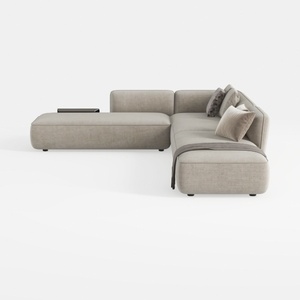
Diamond Sofa 5-Seater Corner Sectional with
Homestyler is the ideal platform for anyone looking to create stunning home designs effortlessly. Its user-friendly online design tool, impressive 3D rendering capabilities, and vast collection of design projects and video tutorials empower you to visualize and execute your dream spaces with confidence. Start designing today!
Diseño ahora GRATIS
































