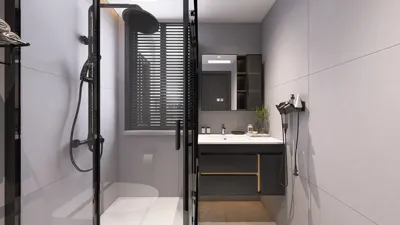


Over the years, I have specified and installed countless single sofas in a variety of settings—ranging from cozy reading nooks and window bays to expansive social spaces that require a serene spot to relax. Selecting the right single sofa, whether it be an armchair or lounge chair, serves more than just a functional purpose; it defines behavior, enhances sightlines, and sets the ambiance for relaxation. The process of making this choice begins with ensuring a good fit—for both the user and the room—while also considering factors such as lighting, acoustics, color psychology, and durable materials, particularly when using tools like Homestyler to visualize the arrangement.
Comfort and overall well-being are not matters of chance. The WELL Building Standard (WELL v2) highlights the importance of posture support and adjustability as fundamental components of occupant comfort. Its recommendations extend to utilizing layered lighting techniques to alleviate eye strain and foster relaxation. According to research from Steelcase, diversifying postures and engaging in micro-movements can mitigate fatigue during extended periods of sitting, reinforcing the necessity for appropriate seat depth and arm support in lounge seating. I take these human-centric factors into account when sizing and placing single sofas, while also incorporating lighting and acoustics to create a soothing environment. For those interested in a deeper understanding of people-focused spaces, I recommend exploring the guidance provided by WELL v2 on light and comfort, along with Steelcase’s research on posture variability available on wellcertified.com and steelcase.com/research.
Determining the Right Size for Your Single Sofa
The scale of the furniture is the first factor to consider. In general, most living rooms achieve optimal functionality when a single sofa (or armchair) has a width of 30 to 36 inches for compact areas and 36 to 42 inches for standard spaces. A seat height ranging from 16 to 18 inches is ideal for facilitating easy transitions from sitting to standing, aligning with ergonomic recommendations found in office seating studies. When it comes to seat depth, comfort is key: a range of 20 to 22 inches accommodates most users for sitting upright and reading, while 22 to 24 inches is preferable for lounging or taller individuals. In tight layouts, employing an interior design planner or a room layout tool like Homestyler can simulate clearances and conversation distances before making a purchase. A circulation space of 30 to 36 inches around the chair is a reliable goal to aim for.
Back height is crucial as it impacts both support and visibility. Sofas with lower backs (28 to 32 inches overall) provide unobstructed views and work well in proximity to windows, while mid to high backs (34 to 42 inches) support the shoulders during lengthy reading sessions. I also assess arm height—ideally, it should be 7 to 9 inches above the seat to provide a comfortable resting position for elbows and to make holding a book strain-free.
Placement Considerations: Zones, Sightlines, and Flow
When arranging furniture, think in zones such as conversation, reading, media, and window perches. In conversation layouts, aim for a distance of 6 to 9 feet between primary seating pieces to foster natural dialogue without raising voices—this is an acoustical comfort guideline I pay close attention to. Position the single sofa at an angle of 10 to 15 degrees towards the main focal point (like a fireplace, view, or television) to minimize neck strain over prolonged periods. For reading corners, place the chair close to a light source and ensure a hard surface is reachable within 12 to 18 inches for a drink or book. When setting up a window seat, maintain a spacing of at least 10 to 12 inches between the chair back and the window to avoid thermal discomfort and leave room for curtains or blinds.
If you are experimenting with different layouts, utilizing a room layout simulation tool can help quickly assess angles, distances, and traffic flow before finalizing your choice. It’s an effective means to confirm that doors can open freely and that the coffee table remains 14 to 18 inches from the chair for convenient accessibility.
Enhancing Chair Comfort and Mood with Lighting
Glare can hinder relaxation. The Illuminating Engineering Society (IES) recommends task lighting for reading be around 300 to 500 lux at the page; my preference hovers around 300 to 350 lux for cozy living spaces, striking a balance between clarity and warm ambiance. Combine a warm-white light source within the range of 2700 to 3000K with a shade or angled head to reduce veiling reflections on glossy book pages. For optimal arrangement, place the lamp slightly forward and to the side of the chair (approximately 15 degrees off-axis) to ensure light shines ahead, avoiding direct exposure to the eyes.
Layered lighting control is essential. Incorporate a floor lamp for task lighting, a dimmable wall wash for ambient light, and soft candle-level accents for unwinding in the evening. For television viewing, consider adding a subtle backlight or bias lighting behind the screen to lessen contrast strain on the eyes. I frequently suggest using dim-to-warm LEDs to maintain inviting tones even at lower light levels, particularly when paired with materials like leather and walnut finishes.
Color Psychology: Calming Versus Energizing Palettes
The colors in your space can influence mood even before you sit. Cool tones such as blues and greens often have restorative qualities and create lower arousal levels, while vibrant reds can energize the environment and create a sense of urgency. If you prefer a calming reading experience for the evening, opt for subdued colors like storm blue, olive, moss, or taupe. For a lively spot for conversation, choose brighter shades such as ochre, terracotta, or coral to enhance the atmosphere without overwhelming the senses. It’s important to balance bold upholstery with softer wall and rug tones to create a harmonious visual rhythm.
Textiles and Materials: Feel, Durability, and Sustainability
The best single sofas elegantly blend tactile enjoyment with durability. Performance fabrics, such as poly-blends and solution-dyed acrylics, resist stains and fading while maintaining texture over time. Wool blends offer breathability and maintain temperature regulation across seasons. For homes with pets, tight weaves or microfiber materials can help prevent snagging. If leather is the preference, semi-aniline options find a sweet spot between natural appeal and maintainability.
Always check for abrasion ratings (for instance, double rub counts) from the manufacturer, and prioritize those with removable cushion covers when possible. Refer to FSC-certified wood frames and utilize water-based adhesives as indications of better lifecycle choices. When specifying sofas, I often opt for high-resilience foam cores (HR 2.5 to 3.0 lb) topped with down wraps for a comfortable sit that can withstand daily use without losing shape over time.
Ergonomics You Can Experience
Posture provides a silent measure of performance. For reading purposes, aim for a back angle of slightly reclined at 100 to 110 degrees with proper lumbar support. If the chair’s depth is too much for shorter individuals, consider adding a lumbar pillow of around 2 to 3 inches to position the lower back correctly and ensure feet are flat on the ground. Arm width also affects perceived comfort; generous arms measuring 3 to 5 inches avoid taking up excessive floor space. Rocking or swivel bases introduce minor movements, aiding the posture variability advocated in workplace seating studies.
Acoustic Comfort Around a Single Seat
Creating soft landings significantly impacts sound quality. Placing a rug under the chair and side table diminishes footfall noise and enhances conversation clarity by absorbing sound reflections. For lively living rooms featuring hard flooring and glass elements, utilize a deep-pile rug, soft-lined drapery, and a fabric shade on the lamp adjacent to the chair. Seeking a balanced RT60 (reverberation time) is ideal—making voices sound natural without echoes. This practically translates to incorporating soft surfaces until comfortable speech can occur at lower volumes up to 6 to 9 feet away.
Proportion, Rhythm, and Visual Weight
A single sofa should convey a sense of grounding without feeling overly heavy. To achieve visual rhythm, be sure to echo one dimension, such as arm width or leg thickness, with nearby furnishings. If the chair presents a lower, lounge-oriented design, maintain a modest side table height (20 to 24 inches) and a simpler form; conversely, if the chair is tall and sculptural, the table can afford to be lighter with a taller lamp to balance the overall mass. It’s beneficial to maintain a proportion of either 2:3 or 3:5 between the chair width and the dimensions of the rug or coffee table for tranquil visual flow.
Curating Without Clutter
Limit decorative items to essentials that enhance the seating experience: a textured throw for comfort, a supportive pillow tailored to your needs, a tray on the side table that holds a book and a drink, and an easily reachable task lamp. Manage cable clutter from the lamp by routing the cord along the leg of the table or baseboard, preventing trip hazards when standing.
When Space Is at a Premium
In compact settings, furniture with open bases (leggy silhouettes) and narrow arms can help minimize visual clutter. Opt for swivel chairs if you require multifunctional seating that accommodates both conversation zones and media viewing without rearranging furniture. In studio apartments, floating the chair can help define a micro-living space; patterning with a small rug (4x6) can further delineate this area. To ensure proper circulation, test out layouts with an interior planning tool like Homestyler to visualize space effectively.
Maintenance Strategies for Longevity
To extend the lifespan of your sofa, rotate cushions every few months, vacuum using an upholstery attachment monthly, and treat spills immediately according to the fabric manufacturer’s instructions. Prolonged exposure to sunlight can fade natural fibers; consider using UV-filtering sheers or slightly offsetting the chair from direct sunlight. Be sure to tighten the legs of the sofa once a year, especially if it has a swivel or rocking mechanism, to ensure stability over time.
Quick Specification Checklist
- Width: 30–42 inches depending on room scale
- Seat height: 16–18 inches; depth: 20–24 inches considering posture
- Back angle: 100–110 degrees with lumbar support
- Arm height: 7–9 inches above the seat; width: 3–5 inches
- Lighting: 300–350 lux at 2700–3000K suitable for reading
- Clearance: 14–18 inches from the table; 30–36 inches for movement paths
- Materials: opt for performance weaves or wool blends; high-resilience foam cores
- Acoustic softeners: include a rug and drapery near the chair
FAQ
For upright reading, a seat depth of 20–22 inches will provide the necessary back support and grounding for the feet. For lounging or taller individuals, a depth of 22–24 inches facilitates a comfortable recline without compromising posture.
Aim for approximately 300–350 lux illumination at the page by utilizing a warm 2700–3000K light source, paired with a shade or directional head to manage glare, in line with IES task-lighting standards for optimal comfort.
Look for solution-dyed performance weaves and tightly woven microfibers, as they are both stain-resistant and snag-proof. Semi-aniline leather presents a great mix of durability and cleanability while preserving some natural characteristics.
Maintain a distance of 14–18 inches from the table's edge to the front of the chair to ensure comfortable reach without excessive leaning.
Absolutely. Select a 30–34 inch wide model with slender arms and exposed legs to minimize visual weight; using a compact rug can also establish the area without impeding foot traffic.
Muted tones of blue, green, and earthy colors tend to foster a restorative atmosphere. Combine these hues with warm lighting to create an inviting palette rather than a cold one.
Not necessarily. High-backed sofas deliver shoulder support for prolonged sitting, but a mid-back option with satisfactory lumbar support and a small pillow can be equally comfortable for many users.
Incorporate an area rug under the chair, soft-lined curtains at windows, and upholstered items. These soft surfaces will absorb sound, enhancing conversational ease.
Yes! A swivel base offers the flexibility to rotate effortlessly between discussions and screen viewing, protecting your floors and maintaining an adaptable layout.
Keeping arm height around 7–9 inches above the seat provides natural elbow support needed for reading or holding beverages, lessening shoulder strain.
Utilize a room layout tool like Homestyler to assess chair size, angles, and circulation allowances visually, helping to confirm fit and layout before making commitments.
Perform monthly vacuuming, rotate cushions every quarter, address spills immediately according to fabric care instructions, and tighten legs yearly to maintain long-term stability.
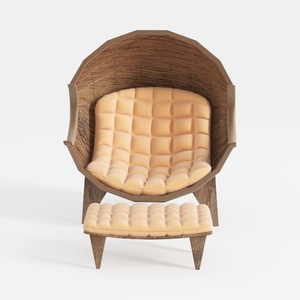

DRKAT Lazy Chair with Ottoman, Modern Large Accent
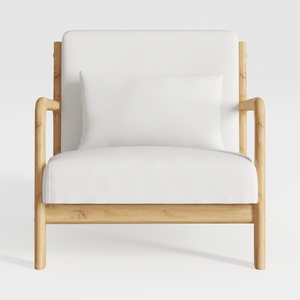
VEVOR Accent Chair, Mid Century Modern Armchair

Furlide Rattan Accent Chair for Living Room, Mid C
Ready to reimagine your space? Homestyler is your go-to online home design platform! With its easy-to-use design tool, stunning 3D renderings, a vast array of design projects, and comprehensive video tutorials, you can effortlessly create and visualize your dream home. Dive in and start designing today!
Diseño ahora GRATIS
































