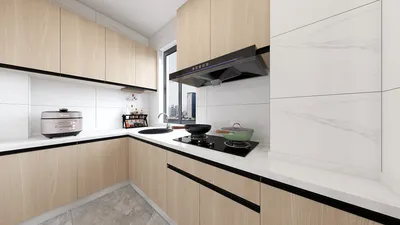


Having designed a multitude of pooja rooms within various apartments and villas, it’s evident that the impact of a carefully selected OM tile is profound—immediate visual focus, a grounded altar presence, and an added layer of quiet elegance transform the space. Quality OM tiles do more than enhance decor; they elegantly guide sightlines, offer a gentle reflection of light, and are resilient against the effects of oil, incense, and regular cleaning. In compact homes, where a pooja niche often serves as a meditation area, a thoughtfully chosen tile palette maintains spiritual clarity without overwhelming the senses. With tools like Homestyler, it becomes easier to visualize these aspects in the design process.
Two fundamental design principles influence my tile selections. Firstly, managing glare and ensuring uniform lighting is essential for reading mantras and enhancing visual comfort; the Illuminating Engineering Society advises a task lighting level of 300–500 lux for such activities, accompanied by careful glare management to mitigate fatigue (as per IES standards). Secondly, color plays a pivotal role in perception; softer, neutral tones and low-saturation colors diminish arousal and promote tranquility, while vibrant red serves to energize (as highlighted by Verywell Mind in their color psychology research). Utilizing grounded OM patterns against a soft tile backdrop while reserving vivid accents for border pieces or inlays fosters a harmonious environment.
Selecting OM Tiles: Prioritize Function Over Beauty
An OM tile acts as a prominent decorative focus; however, the experience is significantly influenced by the choice of surrounding field tiles, grout, and lighting setup. Traditionally, I recommend a singular central OM tile (positioned above or directly behind the deity) complemented by a subtle inlay—be it a border or pedestal riser. For smaller apartments or studios, a well-placed 12×12 inch (300×300 mm) OM medallion at eye level maintains clarity without overwhelming the aesthetic, while larger shrines can appropriately feature a 24×24 inch (600×600 mm) OM tile or a 2×2 arrangement of smaller OM tiles to enhance visual presence.
Material Choices: Porcelain, Stone, and Metal Accents
- Porcelain OM tiles: Known for their durability and ease of maintenance, these tiles feature matte surfaces that manage glare effectively. They resist residue from tilak, oils, and incense when cleaned with neutral solutions.
- Natural stone with engraved OM: Options like marble or sandstone that are either etched or water-jet cut create a material richness. Opting for honed or leathered textures prevents excessive reflections and adds tactile depth.
- Metal inlay OM (brass/copper) alongside either stone or porcelain: This adds an elegant touch that catches the candlelight beautifully. I recommend limiting metal coverage to 5–10% of the wall area to prevent visual distractions. Ensure proper sealing of metal elements to prevent tarnishing.
Finish and Texture: Soft Lighting with No Glare
High-gloss tiles tend to reflect bright flame light unpredictably, interrupting meditation. I advocate for matte or eggshell finishes with a gloss level of 10–20 GU for backgrounds, and a slightly higher sheen for the OM symbol to create a sense of depth under warm lighting around 2700–3000K. Adding a 10–20 mm shadow gap or a contrasting liner around the OM tile enhances its definition.
Color Psychology in Pooja Rooms
Soothing base colors like ivory, warm white, beige, or sandstone facilitate prolonged prayer sessions. Accentuating with saffron, marigold, or vermilion in moderation near the OM tile conveys a sense of sanctity without overwhelming the space. Research from Verywell Mind indicates that warm hues boost energy and draw focus, while cooler or neutral tones promote relaxation; in designing pooja rooms, I typically favor a warm-neutral palette with thoughtful warm highlights.
Strategic Placement: Eye Level, Proportions, and Sightlines
The OM tile should be positioned at eye level for a person seated in meditation—generally between 1100–1250 mm from the finished floor to the tile center for seated rituals, or 1400–1500 mm for standing perspectives. Ensure the OM tile falls within the primary visual angle from the entrance to create a spiritual focal point. In small homes, situate the OM tile directly behind the deity plinth; in larger spaces, consider placing it on the back wall while enhancing the focal route with a simple floor border that leads to the altar.
When organizing the overall shrine layout—particularly in multipurpose rooms—utilize a design simulation tool, like Homestyler, to assess sightlines, sufficient kneeling space (a minimum of 900 mm front clearance), and wall proportions before finalizing tile placements.
Lighting Conditions: Soft, Warm, and Layered
I aim for illumination levels of 300–400 lux around the altar, using a warm color temperature of 2700–3000K to harmonize with natural wood and brass, while maintaining flattering skin tones. Direct focused beams of 20–30° onto the OM tile to establish a gentle glow without glare; complement this with a low-level cove or dimmable strip for balanced ambient lighting. According to the WELL Building Standard, prioritizing visual comfort and glare reduction significantly enhances wellbeing; effective ambient layering and dimmable options minimize strain during extended pujas.
Sound Environment and Ritual Silence
Hard tile surfaces can heighten the reverberation of chants. Introduce a modest balance, such as a jute rug, a fabric panel opposite the altar, or decorative wooden jaali to absorb sound while maintaining ease of cleaning near diyas and incense. Softening materials elsewhere will mitigate echo while preserving clarity in chants.
Grout, Joints, and Subtle Details
- Grout color: Match field tiles for a calming effect, and consider a deeper shade of grout around the OM medallion to define it visually.
- Joint width: 2–3 mm is recommended for porcelain; allow 3–4 mm for natural stone to accommodate any movement from temperature changes.
- Sealers: Employ penetrating sealers for stone tiles and around metal inlays to avoid staining from oils or incense ash.
- Cleaning: Opt for non-acidic cleaners to maintain the integrity of etching and inlay finishes.
Top Recommended OM Tile Styles
- An etched marble OM medallion with a honed finish, sized 300–400 mm square: It possesses understated elegance and pairs flawlessly with wood cabinetry.
- A porcelain matte OM tile featuring subtle relief: This option is durable and well-suited for apartment living, with the relief capturing soft light without creating glare.
- Brass-inlay OM set upon sandstone: It offers a traditional warmth; it is crucial to ensure that edges are sealed and kept dry from direct water exposure.
- Hand-painted ceramic OM accent tiles as borders: Used sparingly, a single line at altar height can center attention gracefully.
- A sealed terracotta OM plaque: This provides an earthy, tactile quality best mounted flush with the tile field as wall decor.
Sustainability and Safety Considerations
Selecting low-VOC grouts and sealers is essential, and confirming slip resistance is necessary if the OM motif extends onto a plinth. Ensure noncombustible surface finishes are adjacent to candles and diya placement; maintain at least 150 mm of clearance from open flames to wood trim. Whenever possible, choose tiles made from recycled materials—many porcelain lines now incorporate 15–40% recycled content—and prioritize durable sealers to lower the need for maintenance chemicals.
Practical Layout Suggestions
- Maintain a serene 70–30 ratio: 70% calm field tiles alongside 30% accents (including the OM feature).
- Keep the OM tile in a 1:1.2–1:1.4 relation to the altar’s width to achieve visual harmony.
- In cases where the shrine shares walls with living spaces, backing the OM tile wall with a plywood substrate can dampen vibrations and prevent tile cracking.
Expert Notes
- IES guidelines advocate for balanced task lighting and glare management to ensure visual comfort for reading and ritual engagement (refer to ies.org/standards).
- Color selections that help to manage emotional responses are aligned with insights from Verywell Mind regarding color psychology (verywellmind.com/color-psychology).
Frequently Asked Questions
For a wall niche measuring under 900 mm, a centered 250–300 mm OM tile above the deity allows for clear focus without over-cluttering the area. Surround with calming field tiles and a subtle pencil line for emphasis.
Opt for matte or low-sheen finishes as the background to minimize glare; the OM symbol itself could benefit from a slight satin relief to effectively capture warm light, ensuring clarity without reflections.
Yes, as long as the inlay is properly sealed and protected from direct moisture. Brass inlays over honed stone are suitable for indoor use; yearly application of penetrating sealer will help resist tarnish.
Position it around 1100–1250 mm above the floor level for seated rituals, or 1400–1500 mm if the primary view is vertical. Ensure alignment with the altar’s central line.
Utilize a warm 2700–3000K LED bulb with a narrow beam angle of 20–30° directed at the tile, and provide supplementary ambient lighting to maintain lux levels around 300–400 near the altar.
Warm neutrals—such as ivory, beige, or sandstone—foster a peaceful atmosphere. Introduce modest saffron or marigold highlights through border elements or textiles rather than saturating expansive areas.
Clean with a neutral pH solution. For stone or metal inlay tiles, employ penetrating sealers and avoid acidic substances; promptly clean residues to avert stains.
Traditionally the OM tile is placed at eye level on the wall out of respect, but a floor medallion at the entry to the shrine must be R10–R11 slip-resistant porcelain to ensure safety while keeping pathways clear.
Utilize a singular OM wall tile, a slender brass border, and a soft rug to distinguish the area. A foldable screen or wooden jaali can serve as a visual divide without enclosing the space completely.
Certainly, but ensure that patterns are kept low-contrast and secondary to the OM. A 70–30 balance of calm to accent tiles helps avoid clutter visually and maintains focus.
Hard surfaces can lead to echo; soften reflections by adding a moderate rug and a fabric panel across from the altar while keeping flame-adjacent areas noncombustible.
Match the field tiles to keep the background calm, and consider a subtly darker shade to frame the OM tile for a striking definition.

Homestyler is an amazing online platform for home design enthusiasts! With its user-friendly design tool, stunning 3D renderings, and a wealth of DIY tutorial videos, you can effortlessly create and visualize your dream interiors. Elevate your home decor journey with Homestyler today!
تصميم الآن مجانا
































