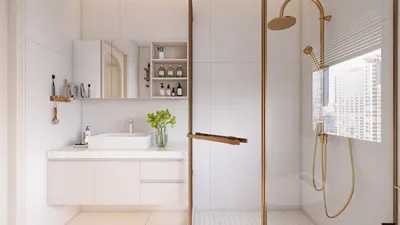


For over ten years, I have been involved in the specification and installation of marble flooring in living rooms. The projects that stand the test of time have a few key elements in common, such as thoughtful stone selection, proportionate layout designs, and lighting that is fine-tuned to create both sparkle and comfort. Depending on factors like veining scale, surface finish, joint design, and light interaction, marble can either convey a sense of tranquility or high drama, making it a versatile choice.
Prioritize Performance Over Aesthetics
When it comes to daily living, performance is crucial. The WELL v2 guidelines suggest a lighting level of at least 300–500 lux for living areas to promote comfort and visual clarity. Marble reacts differently to varying light conditions; polished surfaces can enhance brightness, while honed finishes tend to diffuse glare (refer to wellcertified.com). Research from Steelcase shows that visually pleasant environments lower cognitive load and enhance spatial quality. This implies that integrating marble with balanced ambient and task lighting is more effective than relying solely on harsh spotlights. These principles also echo in the Illuminating Engineering Society’s recommendations, which set a 300–500 lux standard to prevent harsh lighting contrasts (ies.org/standards).
Marble’s slip resistance is an important safety feature. Generally, honed textures offer better traction in homes with children or pets compared to highly polished options. When choosing marble for active spaces, it’s advisable to select a honed or soft-matte finish and contemplate smaller tile formats that incorporate more grout lines to enhance micro-grip.
Selecting Your Marble: Veins, Color, and Finish
The color and pattern of marble can significantly influence the mood of a room. According to color psychology research by Verywell Mind, warmer neutrals like grays and beiges can foster a calming atmosphere and provide a sense of cohesion, making choices like Crema Marfil or light-gray marbles ideal for serene living spaces (verywellmind.com/color-psychology). In contrast, bold marbles such as Calacatta with striking veins can command attention, but it is advisable to pair them with restrained furnishings to avoid visual clutter.
The finish you choose can dramatically affect the ambiance of the room. Polished marble enhances brightness and provides sharp reflections, which are perfect for formal settings. Conversely, honed finishes minimize shine, making them suitable for contemporary, relaxed spaces. Additionally, brushed or leathered finishes offer a tactile quality and mitigate the visibility of minor wear better than glossy surfaces.
Tile Size, Patterns, and Configurations
It’s essential to select tile sizes that are proportionate to the room. Large tiles (24"×24" or 24"×48") reduce the number of joints and impart an expansive feel to open-plan living spaces. In smaller areas, medium-sized tiles (18"×18") or modular layouts can limit cutting waste while maintaining a balanced visual rhythm. I typically recommend a tile-to-room ratio of 1:1 or 1:2 to ensure major grout lines align with the furniture layout.
Timeless patterns like stack bond for a minimalistic look, or 1/3 and 1/2 offsets for subtle movement, create a different sense of motion. Herringbone patterns introduce directionality, guiding the eye toward a focal point like a fireplace or a feature wall. To test various layouts, you might find that a room layout design tool can effectively simulate how joint lines align with furniture and foot traffic before final decisions are made.
Illuminating Marble Without Creating Glare
To fully appreciate marble, keen attention should be given to lighting. To strike a balance in line with WELL and IES guidelines, incorporate layered ambient lighting (like indirect coves or diffused pendants) at 300–500 lux, while spotlighting accent surfaces at moderate contrast levels (ideally not exceeding a 3:1 ratio). Avoid directing narrow-beam downlights straight at polished marble, as this can result in blinding reflections and hotspots. Instead, consider wall washers or wide floods that graze surfaces at a distance of 18–24 inches, which can soften the appearance of veining without generating harsh glare. Warmer color temperatures (2700–3000 K) complement beige and cream marbles beautifully, while cooler temperatures (3000–3500 K) can enhance gray marbles and bring out subtle veining.
Furniture, Rugs, and Acoustic Considerations
Marble flooring can amplify sound reverberation. To combat this, placing a high-density area rug (made of wool or a wool blend) in high-traffic zones can help balance acoustics while also protecting the finish. Soft furnishings and curtains can further minimize reflections. Be sure to attach felt pads to furniture legs to prevent small scratches on polished surfaces.
Maintenance and Sealing
As a porous material, marble requires sealing after installation and will need routine maintenance—typically every 12 to 24 months in living spaces—based on how frequently the area is used. Utilize pH-neutral cleaning products, steering clear of vinegar and acids that may damage the surface. Promptly blot spills from citrus fruits, wine, or coffee to prevent staining. A honed finish is better at hiding micro-scratches, but if you prefer a glossy look, ensure coasters and area rugs are placed strategically in beverage zones.
Eco-Consciousness and Material Sourcing
When choosing stone, consider those sourced with transparent environmental practices and documented life cycles. Material ConneXion provides valuable assessments for durable surfaces, assisting in the selection of finishes that promise longevity (materialconnexion.com). Opting for a sustainable, timeless palette can significantly diminish the frequency of renovations and reduce embedded carbon footprints over time.
Installation Details that Enhance Aesthetic Appeal
Precision in installation is key for marble. Keep grout joints tight—typically between 1/16"–1/8" for rectified tiles—and choose a grout color that mirrors the stone’s base tone. Back-buttering larger tiles enhances bonding effectiveness and ensures a flat surface. Also, verify that slab or tile installations allow veins to flow logically throughout the space; in living areas, I prefer to align a significant vein toward the main seating area or fireplace to establish a visual hierarchy.
Zoning and Transition Details
In open-concept designs, marble can effectively define formal seating areas while adjacent spaces use alternatives like wood or carpeting. Transition profiles—whether low and flush or styled with a metallic finish matching door hardware—should promote subtle transitions. To explore layout boundaries, utilizing an interior layout planner can provide insights into furniture arrangements and traffic flow over the tile framework.
Cost Considerations and Value Proposition
The price of marble varies widely. Standard-grade, honed marble is often more budget-friendly compared to rare, high-contrast varieties. However, installation costs can add up significantly, particularly for large-format tiles and intricate patterns. Ultimately, a well-executed marble floor can elevate the perceived value of a home and reduce the need for frequent upgrades.
Quick Design Recommendations
- Select the finish based on your lifestyle: honed for family-friendly surfaces, polished for a formal allure.
- Adjust lighting: layer ambient light at 300–500 lux and avoid narrow beams focused on polished sections.
- Ensure grout lines align with furniture and foot traffic patterns.
- Enhance acoustics with rugs and soft furnishings.
- Seal regularly and only use pH-neutral cleaning agents.
- Before installation, test layouts digitally with a layout simulation tool like Homestyler.
- Maintain smooth and discreet transitions for visual flow.
- Complement striking veining with understated design elements to allow the stone to shine.
Frequently Asked Questions
Honed or leathered finishes provide superior traction and mask minor scrapes, while polished finishes, while stunning, may highlight etching more clearly.
Aim for ambient lighting of 300–500 lux in accordance with WELL v2 and IES recommendations, layering in gentle accent lighting. Avoid narrow-beam spots aimed directly at polished marble surfaces.
Yes, fewer joints create a more serene visual experience. In very compact rooms, mid-size tiles can streamline the installation process and maintain a harmonious rhythm.
Absolutely – rugs protect marble surfaces and enhance acoustics. Just make sure to use breathable rug pads to prevent moisture buildup and check for colorfast dyes.
Re-sealing should typically be done every 12–24 months, depending on wear and the cleaning products used. A simple water drop test can help determine if it’s time for resealing—if it darkens quickly, it’s time to treat it again.
Yes, provided that you use a proper uncoupling membrane and adhesive that can withstand thermal cycling. Always confirm temperature limits with the heating system and the stone supplier.
Choose a grout color that matches the base tone of the marble—warm gray for beige varieties, cool gray for gray stones. Keeping joints tight (1/16"–1/8") helps maintain focus on the marble itself.
Introduce items like large rugs, soft curtains, upholstered seating, and bookcases. These elements can help absorb and diffuse sound, counterbalancing the reflective qualities of marble.
It can indeed be slippery, especially when wet or if someone is wearing socks. Opt for honed finishes or utilize textured rugs in high-traffic areas if you want to maintain a polished look.
Certainly, minimalistic furnishings and neutral wall colors can enhance the effect. Soft grazing lighting instead of spotlights will ensure that the veining is appreciated without overwhelming the space.
Stack bond or wide-plank formats using rectified tiles provide clean lines, while herringbone patterns introduce a touch of character if seeking dynamic movement.
Ensure that grout lines correspond with the seating arrangements and major circulation routes. Testing various alternatives with a room design visualization tool, such as Homestyler, is wise before final installation.
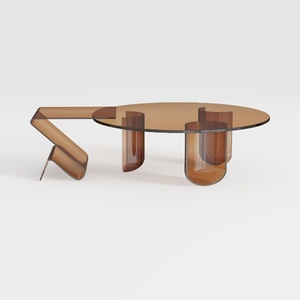
Round Coffee Table Modern Glass Coffee Table with
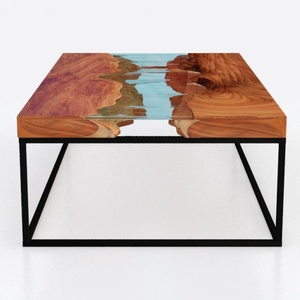
Custom 3D Waves Ocean Dining Table, Blue Ocean
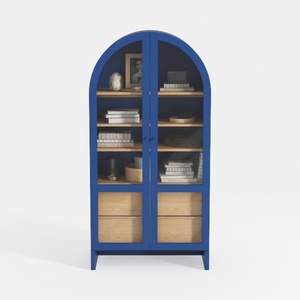
Arched Kitchen Pantry Cabinet with Glass Doors
Discover the magic of home design with Homestyler! This user-friendly platform offers a powerful online design tool, stunning 3D renderings, a wealth of design projects, and insightful DIY video tutorials. Perfect for both novices and seasoned decorators, bring your home visions to life effortlessly!
지금 무료로 디자인하세요
































