

Over the last decade, I have expertly designed and optimized numerous interiors for small spaces, and I’ve found that selecting the right room heater can dramatically enhance the environment. A well-placed heater boosts thermal comfort rapidly, maximizes usable areas, and improves sleep quality. In compact homes, using a proper device like a Hindware heater—paired with strategic placement and appropriate settings—can ensure a steady warmth that doesn’t overwhelm the space, as long as you account for airflow, safety clearances, and the materials of the room.
Comfort is not merely a personal feeling; it can be quantified. According to the WELL Building Standard, thermal comfort is a crucial part of indoor health, defined through measurable criteria like optimal temperature ranges and the management of drafts (WELL v2, Thermal Comfort concept). Research from Steelcase illustrates that discomfort in the environment (including temperature issues) can hinder focus and output, which highlights the importance of maintaining balanced heat in both living spaces and home offices. These standards clarify what constitutes 'coziness': consistent temperature, minimal hot zones, and layouts that encourage proper airflow.
In small rooms, design decisions can impact functionality significantly, whether for better or worse. For instance, positioning a heater near reflective surfaces can cause hot spots, while insufficient clearance around the heater’s intake and exhaust can create stagnant air. The WELL v2 guidelines on Indoor Environmental Quality also stress the importance of controlling noise and ensuring air quality—critical considerations when selecting fan-based or filter-equipped ceramic heating units. Incorporate these performance metrics into your planning rather than relying solely on wattage.
Selecting the Ideal Hindware Heater for Small Spaces
Begin with assessing the room’s dimensions and heat loss characteristics. A helpful guideline for portable electric heaters is to allow approximately 10 watts per square foot under moderate winter conditions; this may vary depending on insulation quality and air leaks. For a bedroom sized between 120 to 150 square feet, a Hindware unit in the range of 1200 to 1500 watts is usually suitable; compact study areas of 70 to 90 square feet often work well with around 1000 watts. Look for units with adjustable settings (e.g., 800/1200/2000 watts) and a built-in thermostat to prevent overheating.
Ceramic heaters featuring PTC (positive temperature coefficient) elements provide rapid heating and maintain a more uniform temperature, beneficial in rooms with varying occupancy rates. Oil-filled radiators offer softer, stable warmth and operate quietly—perfect for bedrooms or reading areas. If the space also serves as a video conference station, consider models that run quietly and possess safety features such as tip-over protection.
Strategic Placement: Airflow, Safety, and Aesthetics
Correct placement takes into account human behavior and the physics of the building. Maintain a minimum of 3 feet (around 90 cm) clearance in front of the heater and around 1–2 feet to the sides and rear, ensuring it is clear of curtains, upholstery, and storage materials. Position the heater on the cooler side of the room to prevent hot zones; avoid corners with excessive clutter that can retain heat and strain the unit. For multipurpose studios, position the heater along your spatial paths rather than near the seating area to minimize visual clutter and glare from indicator lights.
When revising your furniture layout, a quick layout simulation can be beneficial. Use a room layout tool that integrates clearance zones for the heater with walking routes and access to outlets. Keep electrical cords short and avoid running them under rugs, directing them safely away from high-traffic areas to reduce trip hazards.
Illumination and Thermal Perception
The color temperature of lighting influences our warmth perception. According to insights from Verywell Mind, warmer color hues can enhance feelings of coziness; pairing a heater with ambient lighting at 2700–3000K and adjustable task lamps often allows occupants to feel comfortable at slightly lower actual temperatures. In compact bedrooms, using warm light reflected off matte walls can help reduce glare while enhancing the enveloping sense of warmth.
Noise Levels and Nighttime Comfort
Sound is an important factor in small spaces where surfaces are reflective and close together. Fan-driven heaters may introduce a continuous hum; adding soft furnishings and area rugs can help absorb noise and maintain lower sound pressure levels during the night. For space-sensitive individuals, an oil-filled Hindware heater may offer quieter operation, or you could place a ceramic model behind furniture to reduce direct sound while still allowing airflow.
Safety Features and Regulatory Considerations
Prioritize heaters equipped with automatic shut-off, tip-over safeguards, thermal cutoff features, and a cool-to-the-touch design. Maintain awareness around power use: utilize a dedicated outlet, avoid daisy chain setups, and check plug temperature during the initial hour of usage. Always turn the heater off when leaving the room or while sleeping unless the unit is specifically designed for continuous safe operation at a low wattage with appropriate clearance. Approach your setup with a compliance-oriented mindset: ensure clear paths, designated zones, and avoid placing soft materials too close to the heater.
Material Considerations for Compact Spaces
Materials have varying capacities for absorbing and radiating heat. Heavier rugs and upholstered seating can help stabilize thermal comfort, while polished surfaces and metallic finishes may feel cooler, emphasizing temperature gradients. A small room will benefit from soft textiles placed near seating areas and low-emission window coverings to minimize drafts. If the heater is located near a window, consider using thermal curtains and sealing gaps to decrease energy use and prolong heating cycles.
Energy Consumption, Control, and User Behavior
Utilize the lowest effective heating setting and allow the thermostat to automatically manage temperature. Layering clothing and adding throw blankets can help mitigate peak heat demands in particular zones like reading nooks. Brief, focused pre-heating sessions (10-15 minutes) tend to be more efficient than maintaining a constant high output in smaller areas. If your Hindware model features oscillation, use it judiciously: while it helps distribute warmth, it may create drafts that some occupants find uncomfortable.
Aesthetic Cohesion and Visual Organization in Small Spaces
Portable heaters have the potential to disrupt sightlines. Strive for visual coherence by aligning the heater with vertical features (like shelving or window frames) and ensuring cord management appears neat. Opt for neutral designs that match your interior aesthetic; warm-colored heaters can subtly enhance the feeling of heat, whereas darker units may blend into the space during evening hours.
2024-2025 Trends for Compact Space Living and Practical Insights
There is a growing trend in compact residences towards multifunctional spaces that encompass work, rest, and wellness. This shift necessitates adaptable heating solutions—quieter settings for video calls, gentle warmth for downtime, and quick ceramic heating bursts for welcoming guests. Pairing a programmable timer with a thermostat-enabled Hindware heater ensures consistent temperature cycles, and reevaluating the layout with the changing seasons can optimize comfort as textiles and window treatments evolve.
Essential Quick Setup Checklist
- Ensure appropriate wattage based on room size (approximately 10W/sq ft as a baseline; adjust for insulation).
- Confirm the presence of automatic shut-off and tip-over protection features.
- Maintain 3 feet of clearance in front and avoid drapes and paper nearby.
- Use a dedicated outlet; avoid placing extension cords under rugs.
- Opt for lighting around 2700–3000K to increase perceived warmth.
- Incorporate soft textiles to mitigate noise and thermal harshness.
- Experiment with placement utilizing a layout simulation tool before finalizing any arrangement.
Frequently Asked Questions
Q1. What size Hindware heater is ideal for a 120 sq ft bedroom?
A heater with a capacity of 1200-1500 watts, equipped with a thermostat, typically offers balanced warmth for a space with average insulation. Start on a lower setting and adjust according to comfort levels.
Q2. Is a ceramic heater preferable to an oil-filled radiator in small spaces?
Ceramic heaters (with PTC technology) provide swift heating, making them suitable for short pre-heating sessions, while oil-filled radiators operate more quietly and deliver a steadier, gentler warmth—ideal for sleeping or reading areas.
Q3. How can I minimize noise from a fan heater during the night?
Utilize the lowest possible fan setting, introduce soft furnishings to absorb sound reflections, and position the heater slightly away from the bed. If you're particularly sensitive to noise, consider opting for an oil-filled model.
Q4. What is the safest way to position a heater near curtains and furniture?
Ensure there is at least a 3-foot clearance in front and 1-2 feet around the sides and back of the heater. Avoid placing it directly beneath window curtains or against soft furnishings.
Q5. Can lighting truly influence thermal comfort in a room?
Utilizing warmer light color temperatures (approximately 2700-3000K) enhances feelings of comfort. Combine this with a consistent temperature range to avoid overheating while maintaining a pleasant environment.
Q6. How can I prevent hot spots in a small living room?
Position the heater on the cooler side of the room, use oscillation sparingly, and steer clear of reflective surfaces directly in front of the heater to avoid uneven heating.
Q7. Will using a heater negatively affect indoor air quality?
Fan-operated heaters can disturb dust particles. Keep any filters clean (if applicable), vacuum regularly, and avoid situating the heater near paper or fabric lint that can exacerbate air quality issues.
Q8. How can I ensure energy efficiency during short heating sessions?
Pre-heat the area for 10-15 minutes at a moderate output, then switch to a lower setting. Utilizing a thermostat can help prevent overshooting and optimize energy consumption.
Q9. Is it safe to operate a room heater while sleeping?
Exercise caution. Only leave the unit running if it is rated for safe continuous operation at a low level with required clearances and consider using a timer. Many prefer to pre-heat the space and turn off the heater before sleeping.
Q10. How should I manage electrical cords in a compact home office?
Use an outlet that is located close to the heater, keep cords organized away from chairs, and avoid running them under rugs or across common walkways.
Q11. What types of finishes are most suitable near a heater?
Soft textiles and matte wall finishes help minimize glare and stabilize perceived warmth; avoid placing the heater opposite shiny or metallic surfaces that can amplify temperature variations.
Q12. Can heater usage have a positive effect on productivity in a small workspace?
Maintaining a consistent comfort band minimizes distractions from the environment, a factor linked to enhanced focus according to Steelcase research. Keeping drafts to a minimum while stabilizing temperatures is key for productivity.
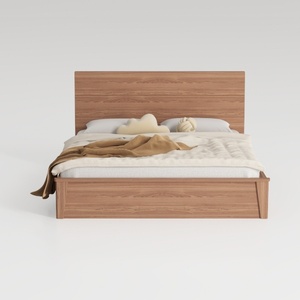

Furniture of America Wyatt Modern Solid Wood Queen

Harper & Bright Designs Full Size Loft Bed with De

Casper Sleep Original Foam Hybrid Mattress, Full
Homestyler is your go-to online home design platform, perfect for both beginners and seasoned decorators. With its user-friendly design tool, stunning 3D renderings, inspiring design projects, and helpful video tutorials, you can effortlessly create your dream space and unleash your creativity!
Projete agora para LIVRE
































