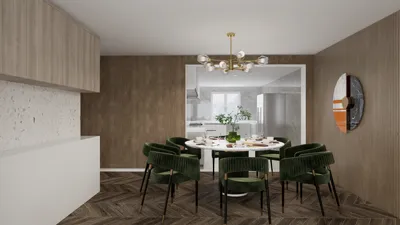


I’ve chosen gold curtains for luxurious penthouses, stylish city apartments, and cozy family rooms where both durability and warmth are essential. When executed correctly, these curtains bring a refined touch instead of appearing overly extravagant. Gold introduces a soft radiance that dances with natural light, complements cooler surfaces, and enhances neutral tones without clashing with the overall color scheme. Utilizing tools like Homestyler can help visualize the final look in your space.
The science behind that warm glow is fascinating. Research by Verywell Mind explains that warm shades such as yellow-gold are often linked to positivity and vibrancy, making them feel welcoming and friendly in social areas. Steelcase’s studies highlight the connection between warmer environments and improved comfort levels, emphasizing factors like glare management and true color representation according to WELL v2 standards. Therefore, a warm curtain tint is most effective when combined with controlled lighting for a soothing atmosphere.
Functionality is just as crucial as aesthetics. For a west-facing living room that captures the sun’s rays in the evening, I recommend installing a double track system: a sheer panel (with an openness factor of around 5–10%) to mitigate glare, paired with a lined gold panel to enhance warmth during the evening. In contrast, for cooler north-facing rooms, using a gold fabric with a color temperature of 2700–3000K and a high Color Rendering Index (CRI of 90+) can create a cozy ambiance without distorting skin tones. Homestyler can assist in planning furniture layouts and curtain placements efficiently.
Selecting the Ideal Gold: Shade, Texture, and Proportions
Gold is not a singular hue; it encompasses a range of shades. I categorize it into four main types: champagne (cool and subtle), honey (classic warm), antique/brushed (with green or brown undertones), and burnished/bronze (rich and deep). Champagne looks exceptional in modern settings with grey stone and nickel touches. Honey pairs wonderfully with warm oak floors and cream-colored walls. Antique gold can harmonize traditional rugs and aged brass elements, while burnished tones shine in industrial lofts featuring blackened steel or rich leather. Strive for a well-balanced color scheme, with 60% neutral tones, 30% support tones (like wood and stone), and 10% accents where gold curtains beautifully anchor that top 10% without overpowering.
Choice of Fabric: Drape, Lining, and Care
The texture and fall of the fabric significantly influence its appearance. Linen blends (between 8 and 12 oz) provide a relaxed, matte finish with soft natural texture. Velvet adds depth and absorbs light, making it ideal for media rooms or spaces prone to echo. Sateen offers a slick finish but can crease easily; consider adding interlining for extra weight. For windows exposed to sunlight, opt for solution-dyed polyester or performance linen that can withstand fading. Thermal or blackout linings enhance privacy and insulation, while a dim-out lining can offer a warm glow without hotspots. Always order a generous hem (double 4 inches) and weighted corners for improved stacking and straight hanging.
Understanding Light and Color Psychology: Achieving Warmth Without Glare
Gold enhances light quality by reflecting warm wavelengths. To prevent a brassy appearance, maintain an ambient light temperature of 2700–3000K in living areas, adhering to residential comfort standards, while utilizing layered lighting strategies—ambient around 150–250 lux and stronger task lighting in reading zones. Position lamps to gently wash the curtain surface rather than blaze through it. Selecting LEDs with a CRI of 90+ ensures that fabric colors remain true and skin tones appear natural. For work-from-home scenarios, a slightly cooler task lamp (3000–3500K) can help alleviate eye strain while keeping the rest of the room warm. In brightly lit settings, use a sheer curtain with 3–5% openness behind the gold panels for glare control.
Hardware Selection and Heading Styles
The selection of hardware defines the style of the curtains. Brass or aged brass rods complement gold fabric, while matte black adds an edgy contrast within modern designs. For a refined appearance, I lean towards double pinch pleats or Euro pleats for their neat stacks and consistent wave. Ripplefold tracks present a modern hotel-like aesthetic and provide excellent functionality for tall window treatments. Ensure that the stack-back measures approximately 20–30% of the window’s width on each side so that curtains clear the glass; verify this during planning with a layout tool. Mount rods 6–12 inches above the window or all the way to the ceiling to create a more expansive look, extending 8–12 inches beyond each jamb for maximized visual space.
Considerations Regarding Proportion and Puddling
I specify three types of drops: kiss (just grazing the floor), break (0.5–1 inch longer), or puddle (2–4 inches for a romantic look, and 6+ inches for dramatic flair and to collect dust). For frequently used living areas, a 'kiss' will keep things tidy and less cluttered. In rooms with uneven floors, a slight break can effectively disguise any irregularities. Always leave a small gap for baseboard heaters or radiators, opting for interlining instead of puddling for safety and airflow.
Harmonizing Gold Curtains with Wall Colors and Materials
Warm neutrals elevate gold tones beautifully: greige with red or yellow undertones, creamy whites (rather than stark, cold whites), or soft taupes. I often recommend counterbalancing cool elements—like stone and concrete—with warm honey-gold curtains. Bold colors on walls, including forest green, midnight blue, or deep aubergine, can create a lush contrast with antique gold. In Scandinavian-style spaces, champagne gold paired with light oak and white walls offers brightness and elegance without overwhelming the senses. To unify the design, include one or two brass accents—such as lamps, picture frames, or a sleek coffee table—that provide rhythm without being overly repetitive.
Acoustic Performance and Comfort
Soft window treatments can minimize reflections and sound. Velvet or interlined panels significantly reduce mid to high-frequency noise in spaces with hard surfaces like glass and plaster. To further dampen sound in shared living-dining areas, curtains help create a microclimate—drawing them closed during movie nights enhances sound focus and clarity.
Sustainability and Durability
Opt for resilient materials and finishes that stand the test of time. Where feasible, select OEKO-TEX certified fabrics; natural-linen blends age gracefully and can be relined for longevity rather than replaced. Brass hardware is both recyclable and repairable, and powder-coated tracks offer durability in coastal settings. Steer clear of chasing trends with flashy metallic prints; instead, a simple gold weave in a classic shade remains stylish through changes in furnishings.
Budget Categories and Where to Allocate Resources
If you are working with a limited budget, prioritize investment in linings, the quality of hardware, and accurate measurements—these elements can make any fabric look high-end. For mid-range options, upgrade to a linen blend or cotton sateen with interlining. For a higher-end look, consider heavyweight velvet or custom-dyed linen with hand-sewn pleats. Always double-check measurements for ceiling height, rod placement, and desired puddle before making any cuts.
Installation Checklist
• Confirm the wall type and use suitable anchors for plaster or masonry work.
• Pre-press or steam your panels; allow pleats to train by loosely banding them for 48 hours.
• Ensure the stack-back adequately clears the glass, adjusting returns to minimize light leakage.
• Align rod brackets with wall studs or utilize toggle anchors rated for the total panel weight.
• Confirm head height aligns with crown moldings or ceiling lines for visual continuity.
Design Examples
Install a ceiling-mounted ripplefold track in champagne gold, reaching full height. Opt for lower, light furniture. Use 2700K bulbs and mirrors for additional warmth. Avoid tiebacks; let the drape fall elegantly instead.
For an antique gold look, utilize a double pinch pleat style, lined and interlined, complemented by aged brass hardware. Paint walls with a warm white tone, and add a wool rug along with brass swing-arm sconces to echo the color.
Incorporate burnished gold velvet against a deep charcoal wall using a matte black track. Aim for minimal puddling to add a touch of softness. Instead of traditional Edison lamps, choose high-CRI LEDs to ensure the gold maintains its true color without an orange tint.
Supporting Evidence and Research References
Comfort and performance in design go beyond personal preference. Research conducted by Gensler illustrates how the use of layered lighting and materials with warmth significantly affects perceived comfort and efficacy. The WELL v2 framework emphasizes the importance of glare management, light quality, and visual ease. Additionally, the IES suggests incorporating layered luminance to prevent stark contrasts. These insights reinforce the decision to choose gold curtains as part of a comprehensive light-and-material strategy. For further details, visit WELL v2 Light Concept at wellcertified.com and IES lighting standards at ies.org/standards.
Frequently Asked Questions
Q1. Do gold curtains make a living room appear smaller?
A1. Not necessarily; if you maintain soft tones and install them high and wide. Using champagne or honey gold alongside ceiling-mounted tracks can elongate walls visually, while extending the rod 8–12 inches beyond the sides opens up more glass and creates a more spacious feel.
Q2. Are gold curtains too overpowering for minimalist aesthetics?
A2. Opt for a muted champagne gold in a matte finish and keep headings uncomplicated (such as ripplefold). These pair beautifully with light wood finishes and white walls, creating a serene ambiance with a gentle warmth rather than an overwhelming look.
Q3. What light temperature complements gold fabrics effectively?
A3. In living areas, maintaining a temperature of 2700–3000K ensures warm, flattering gold hues. Choosing lamps with a CRI of 90+ will help keep the fabric’s true undertone while enhancing natural skin tones.
Q4. How can I minimize glare in rooms with harsh afternoon sun?
A4. Introducing a sheer lining with 3–5% openness behind the gold panel can significantly reduce brightness while preserving the view. Utilizing dim-out linings during movie time can also help manage brightness levels more effectively.
Q5. Which fabrics withstand sunlight without fading?
A5. Solution-dyed polyester and performance linen hold their color significantly better than untreated natural fabrics. If you prefer natural linen, consider adding UV-protective lining to prolong its lifespan.
Q6. Can gold curtains work well with silver or black hardware?
A6. Absolutely. Black rods can provide a striking contrast in modern designs; nickel or stainless steel shades cool down the palette and match nicely with champagne gold. For a seamless transition, aged brass pairs beautifully with honey or antique gold fabrics.
Q7. How full should my curtains appear?
A7. Aim for a fullness of 2–2.5 times for pleated panels and 1.8–2 times for ripplefold styles. Sufficient fullness prevents a flat appearance and enhances acoustics and light diffusion.
Q8. Do gold curtains affect sound quality?
A8. Yes, heavier fabrics such as velvet or interlined options absorb mid- to high-frequency reflections, diminishing echoes in rooms with hard surfaces.
Q9. What wall colors work harmoniously with gold?
A9. Warm whites, greige with a slight red/yellow undertone, and darker shades like forest green or navy harmonize beautifully. Avoid stark white tones that may lead to a brassy appearance of gold.
Q10. Are blackout linings essential in living areas?
A10. Not necessarily. Often, dim-out linings suffice, providing privacy while maintaining a soft glow. Full blackout is typically reserved for media rooms sensitive to glare or street-facing windows with bright nighttime illumination.
Q11. How do I measure for the correct curtain length?
A11. Choose between a 'kiss,' 'break,' or 'puddle' length, then measure from the top of the hardware to the floor. Account for the drop from brackets and rings, confirming that flooring across the room is even.
Q12. Will gold curtains quickly go out of style?
A12. Selecting a simple weave in a muted tone (such as champagne or antique gold) along with classic headings ensures that the look remains timeless, even as furniture trends change. Avoid ostentatious metallic patterns to maintain relevance in your decor.



Discover your inner designer with Homestyler! This user-friendly platform offers a robust online design tool, stunning 3D renderings, and an inspiring collection of design projects. Plus, its DIY video tutorials empower you to transform your space with confidence. Elevate your home design experience today!
تصميم الآن مجانا
































