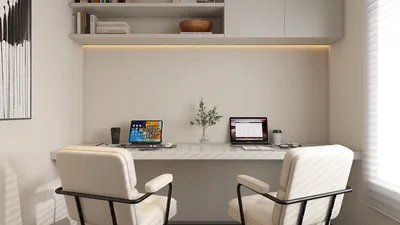


I've discovered that selecting the perfect folding table does more than conserve space; it becomes a central hub for various daily activities in a compact living space. Whether it's for meal preparation, remote work, crafting, or hosting a casual dinner with friends, the key lies in aligning dimensions, folding mechanisms, and placement with ergonomic principles. Research by Steelcase indicates that adjustable work surfaces can significantly alleviate musculoskeletal discomfort and enhance posture, an essential aspect when one table must adapt to multiple uses throughout the day. The WELL v2 framework also promotes the need for task-appropriate surfaces and glare control, linking the choice of table directly to fostering healthier living conditions in smaller environments, which can easily be managed using tools like Homestyler for visualization.
Supporting the notion of micro-utility, data from Herman Miller reveals that dynamic work zones thrive with flexible furniture that enables shifts in posture and task, ultimately enhancing focus and overall comfort. According to the International WELL Building Institute (WELL v2), to minimize discomfort and eye strain, attention must be paid to both the surface's height and lighting controls. This balance can be achieved at home by utilizing a folding table that offers adjustable height options along with dimmable lighting set at 3000–4000K to manage glare effectively. These principles are perfectly applicable in small apartments where a singular table often performs multiple tasks throughout the day.
The importance of space planning cannot be overstated, as it can impact functionality as much as the furniture itself. A compact, wall-mounted drop-leaf table positioned near a window tends to outperform a larger, bulkier center table in a studio apartment. To ensure a smooth flow and sufficient clearance for chairs, I frequently use a digital room layout tool to visualize my plans. By simulating the fold radius, chair pull-back distances (generally 600–760 mm), and walking paths (minimum of 900 mm), I can avoid potential bottlenecks in daily routines.
Select the Ideal Type: Drop-Leaf vs. Gateleg vs. Wall-Mounted
Drop-leaf tables are excellent for effortless transitions—leaf up for dining, leaf down for an open space. Gateleg tables provide sturdy support with their folding legs and often include hidden storage beneath. Wall-mounted options completely free up floor space but necessitate secure anchoring into wall studs and careful height adjustments, typically around 720–760 mm for dining and 700–740 mm for casual work settings. For multi-functional use, I lean towards compact gateleg designs that can be positioned against a wall and expanded to a length of 1100–1300 mm when necessary.
Prioritize Ergonomics: Height, Knee Space, and Posture
Versatile surfaces require a variety of ergonomic considerations. Standard dining height is around 730 mm, while laptop work often benefits from slightly lower surfaces or the use of an adjustable chair. Maintaining wrist-friendly angles is essential; hence, a shallow front edge bevel can help prevent contact stress. A task chair should ideally support seat heights ranging from 420–520 mm and include lumbar support. Guidelines from Steelcase and Herman Miller advocate for alternating sitting and perching positions throughout the day; if an adjustable table is not feasible, employing footrests and adjusting seat height can help achieve optimal alignment.
Illumination and Glare Management for Folding Surfaces
Effective lighting is crucial to transform a simple breakfast nook into a comfortable workspace. I aim for 300–500 lux at the table for tasks like reading or working on a laptop, and around 200–300 lux for dining moments. Position task lights at angles of 30–45° to reduce screen glare. The Illuminating Engineering Society suggests a balanced approach with glare reduction; choosing light temperatures of 3000–3500K for dining and 3500–4000K for focused tasks can create the right ambiance. Additionally, matte finishes on the table can help to diffuse sharp reflections.
Material Selection: Slim, Strong, and Eco-Friendly
A good folding table should withstand stress while maintaining a slim profile. Materials like laminated birch plywood or high-pressure laminate over MDF provide solidity and clean lines. When considering sustainability, prioritize options with FSC-certified cores and low-VOC finishes; lighter hues can create an illusion of more space. Rounded corners can reduce injury risk in small areas and soften visual bulk. Also, the quality of hardware is important; durable brass or stainless steel hinges are preferable over weaker stamped steel counterparts.
Consider Space Ratios and Flow
Before making a purchase, it’s useful to evaluate the daily flow of your apartment. If the table is intended as a desk, placing it near power outlets and away from direct glare from the TV is advisable. For dining setups, aim for a minimum of 600 mm width per person and at least 400–450 mm depth for place settings. Ensure main pathways of 900–1000 mm remain unobstructed. In a studio, position the table's edge parallel to the longest wall to maintain visual cohesion; placing it perpendicularly often disrupts space perception unless it serves as a room divider.
Folding Tables with Integrated Storage Solutions
In micro-apartments, functionality is key. Slim consoles with flip-up leaves and drawers can store essentials like linens and chargers, thus minimizing visual clutter. A gateleg table with shelves addresses the question of where to store items like placemats and electronic devices. If crafting is a frequent activity, integrated bins can help manage supplies without the hassle of a messy setup each time.
Harnessing Color Psychology to Enhance Space Perception
Cool, light neutrals (like soft gray or pale sage) help visually expand spaces, while warm wood tones can create a cozy atmosphere. According to insights from Verywell Mind, shades of blue may foster calm and enhance focus, beneficial for work zones; pairing a pale blue wall with a matte oak tabletop can achieve a harmonious balance. Avoid using high-gloss black finishes, as they can magnify reflections and accumulate dust. If the table stands as a focal piece, select a muted accent color—such as terracotta or deep green—to ground the space without overwhelming it.
Ensuring Acoustic Comfort Near Hard Surfaces
Folding surfaces often find themselves close to walls or windows, which can lead to echo issues. Utilizing a small rug beneath chairs (avoiding the path of the folding mechanism) and adding fabric seat cushions can provide some sound absorption. In all-hard environments, incorporating a felt pinboard adjacent to the table can function as both an acoustic diffuser and a work organization tool, helping to soften any high-frequency echoes.
Effective Layouts for Studios and One-Bedroom Apartments
For a studio, position a wall-mounted drop-leaf table by the window, orienting it perpendicular to the façade. Ensure the bed is placed on the opposite side and utilize a low shelf as a visual divider. In a one-bedroom setup, a gateleg table can be conveniently stored in the dining area, typically with one leaf folded down during the week. A quick interior layout planner can help visualize the space for both open and dining arrangements.
Safety and Durability Considerations
Before installation, verify load ratings for wall-mounted options, securing them into studs, and only using toggle bolts when necessary. Ensure to check the stability of any leaves prior to placing heavy items on them. For families, adding soft-close hinges can minimize the risk of pinching fingers, while rounded handles help prevent snags in confined passages.
My Essential Features List
• A slim tabletop (18–25 mm) with a sturdy core. • Leaf widths ranging from 300–450 mm for meaningful expansion. • Dependable hinge mechanism and locking options. • Matte surface for glare reduction. • Built-in storage if the table substitutes for a desk. • Easy-clean laminates suitable for dining and craft applications. • Soft, calming colors to extend the perception of depth.
An Effective Setup Routine
In the morning: fold one leaf up for laptop work, set task lighting to 3500–4000K, with a chair height of 450–480 mm. In the evening: raise both leaves for dinner, adjusting lighting to dim at 270–300 lux with a warm tone of 3000–3500K. During weekends: clear the surface, organize craft supplies into integrated compartments, and add a washable mat to protect against paint or glue spills.
Reference Materials for Further Reading
For authoritative guidance on comfort and performance within compact, multi-functional spaces, the WELL v2 building standard provides valuable insights regarding lighting, ergonomics, and visual well-being. Additionally, Steelcase’s research library pertaining to posture variability and task flexibility presents relevant information for personal setups. These resources offer structured frameworks that adapt well to small apartment environments and can be enhanced using platforms like Homestyler for effective design planning.
Frequently Asked Questions
Q1: What height is suitable for both dining and computer tasks?
A: A height around 730 mm is ideal for dining; for laptop use, pairing it with an adjustable chair and maintaining wrist-neutral positioning is key. If feasible, adjusting to a slightly lower height of 700–720 mm along with a separate keyboard tray can help mitigate shoulder strain.
Q2: How much clearance is necessary around a folding table?
A: Allow a minimum of 900 mm for primary circulation and 600–760 mm behind chairs for comfortable movement. Digital layout testing can confirm that the fold radius doesn't obstruct doorways.
Q3: What lighting configurations help prevent glare at the table?
A: Aim for lighting levels of 300–500 lux for tasks and 200–300 lux for dining. Orient light fixtures at angles of 30–45° and opt for 3000–4000K temperature settings based on activities and moods; matte finishes on the table can help.
Q4: What materials are best for slim yet durable folding tables?
A: Recommended materials include laminated birch ply, high-pressure laminate over MDF, or frames made of aluminum paired with composite surfaces. Favor low-VOC finishes and rounded edges for safety and durability.
Q5: How significant should leaf size be for effective use?
A: Leaf widths of 300–450 mm typically convert a console into a functional dining space for two to four individuals without overburdening the table's mechanism.
Q6: Can a folding table genuinely enhance productivity?
A: Indeed. Insights from Steelcase and recommendations from the WELL v2 framework suggest that adaptable and ergonomic arrangements foster posture shifts and reduce discomfort, thereby boosting concentration during tasks at home.
Q7: What is the safest method to mount a wall table?
A: Ensure fixtures are anchored into studs, check load capacities, utilize the correct screws or toggles following manufacturer specifications, and verify the stability of leaves prior to placing heavy items.
Q8: How do I address acoustic issues surrounding a hard table in a compact area?
A: Introducing small rugs beneath chairs, fabric seat cushions, and a nearby felt pinboard can mitigate echo without compromising on valuable floor space.
Q9: Does color choice truly influence small apartment ambiance?
A: Yes, employing subtle cool neutrals and gentle wood tones can visually increase space; shades of blue can also cultivate focus. It's best to avoid high-gloss dark surfaces that intensify reflections.
Q10: What considerations arise when a table doubles as a craft station?
A: Opt for matte, easy-to-clean surfaces, along with integrated shallow storage. Protect the tabletop with a washable mat, and keep lighting at 4000K for accurate color display during creative work.
Discover your home’s potential with Homestyler! This user-friendly online design platform offers a powerful design tool, stunning 3D renderings, a wealth of design projects, and helpful DIY video tutorials. Unleash your creativity and transform your space effortlessly, regardless of your experience level!
Projete agora para LIVRE
































