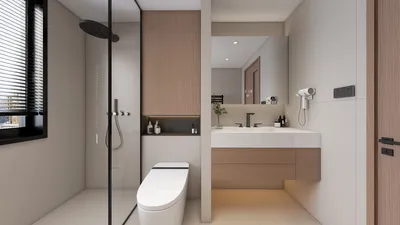


Choosing the right ceiling fan can truly transform a living room, providing sculptural elegance, comfortable airflow, and layered lighting all at once. When clients request a particularly stylish fan, I emphasize looking beyond mere aesthetics. The finest ceiling fans harmoniously integrate functionality—such as airflow, noise levels, and energy efficiency—into their design. This perfect equilibrium is where true sophistication resides, making Homestyler a great choice for visualizing your ideal arrangement.
Design-Driven Comfort Begins with Performance
A ceiling fan that's visually appealing but doesn't effectively circulate air is essentially just an ornamental chandelier. It's essential to select a model with a high airflow rating; the U.S. ENERGY STAR program rates ceiling fans that deliver around 4,000–5,000 CFM, suitable for medium spaces, whereas larger living rooms may require fans that provide 5,000–7,000+ CFM. Additionally, sound quality is crucial. Steelcase research indicates that noise disruptions can detract from productivity and increase stress levels in open settings, and while living rooms aren’t workplaces, a quieter motor is vital for maintaining a peaceful atmosphere. For lighting, the WELL v2 guidelines recommend even lighting that you can control, suggesting dimmable LEDs in the warm-to-neutral spectrum around 2700–3500K to create a soft, inviting ambiance during evenings.
Proportions, Shapes, and Spatial Dynamics
The scale of the fan is the initial design consideration. As a general guideline, fans sized between 52 to 56 inches work well for mid-size lounge areas; fans ranging from 60 to 72 inches or dual-motor fans are better suited for expansive spaces with high ceilings. Ensure a clearance of at least 7 feet from the floor to the lowest part of the blades, and think about downrods to adjust the height in lofted rooms. In symmetrical layouts, a centrally placed fan maintains a harmonious balance, while in elongated living-dining areas, two fans can define different zones. If you’re exploring layout options, utilizing a room layout tool can help visualize clearances and sightlines efficiently: room layout tool.
Material Choices: From Artistic Woods to Sleek Metals
The materials you choose significantly influence both the fan’s aesthetics and acoustic qualities. Blades made from aerodynamic wood with rounded edges minimize noise and provide a warm visual appeal, as opposed to entirely metallic designs. Matte finishes reduce reflections, while glossy surfaces can create distracting highlights in specific environments. Personally, I prefer hand-finished walnut or oak blades complemented by muted brass, aged nickel, or powder-coated black hardware. For coastal environments, prioritize damp-rated finishes and composite blades to avoid warping. Sustainability is also paramount: fans equipped with long-lasting DC motors consume less energy and extend service life, mitigating the need for frequent replacements.
Lighting, Color, and Atmospheric Harmony
Fans featuring integrated LED lights should provide a high Color Rendering Index (CRI of 90+) for accurate skin tones and vibrant textiles. Insights from Verywell Mind indicate that warm colors foster comfort and social bonding, whereas cooler colors can evoke a sense of calm that may feel distant. Lighting designs should keenly align with your color choices. In monochromatic spaces, adjustable white lighting allows you to modify the mood—from 3000K for cozy gatherings to 3500K for reading or playing board games. Combine the fan's light with surrounding lamps to prevent harsh overhead lighting; dimmable options help manage glare effectively in line with WELL's lighting recommendations.
Understanding Ergonomics and Human Experience
Ceiling fans play a crucial role in how occupants interact with their spaces. Effective airflow can encourage people to remain in seating areas, while drafts flowing over media zones might be bothersome. Position blades out of direct pathways but not directly over seating areas. If your setup includes a projector or a glossy television, angle the fan to avoid flickering caused by blades obstructing the light. Implementing remote or smart controls also enhances user convenience, aligning with ergonomic standards—there’s no need to climb onto furniture to adjust fan speeds.
Quiet Performance: The Luxury of Silence
Noise is an immediate way to diminish the appeal of even the most premium fans. DC motors equipped with balanced blades operate far quieter than older AC designs. A soft-start function can prevent sudden loud winds, while rubber-isolated mounts help reduce vibrations, particularly in wood-frame houses. In cases where your living room functions as a workspace, maintaining a low-noise environment supports concentration—research from Steelcase consistently underscores the detrimental impact of noise on productivity, and those findings are relevant in multifaceted home environments.
Style Trends for 2024–2025
Currently, I observe three primary stylistic directions: organic sculptural blades crafted from solid woods suitable for biophilic designs; ultra-slim minimalist discs with hidden blades tailored for modern lofts; and mixed-metal constructions with opaline glass that exude subtle glamour. The integration of smart technology has become commonplace—expect voice control, scheduling, and seasonal inversion capability. Timeless designs forgo novelty in favor of elegant proportions and understated details.
Strategic Fan Placement and Layout Adjustments
Place the fan centrally above the main seating area, rather than the exact geometric center of the room. Maintain a minimum distance of 24–30 inches between blade tips and adjacent walls or tall cabinets to prevent airflow interference and noise. In open floor plans, think about utilizing two fans aligned to ensure even airflow across different zones. Test virtual placements with an interior layout planner before proceeding with installations: interior layout planner.
Ceiling Heights and Proper Mounting Techniques
Flush mounts are a good choice for ceilings around 8 feet high, while standard downrods (6–12 inches) are suitable for 9–10 feet. For vaulted ceilings, consider extended rods. Make sure blades remain clear of any beams; placing the fan off-center can be visually appealing if it aligns well with surrounding furniture. Always verify the manufacturer’s recommendations regarding clearance and weight limits.
Energy Efficiency, Sustainability, and Care
DC motors use significantly less power compared to older models, often achieving energy savings of 30-40% with similar airflow performance. Reverse mode is beneficial in winter months to circulate warm air and alleviate heating demands. Opt for sealed LED modules that are rated for over 50,000 hours to minimize bulb replacements. Remember to clean the blades quarterly; if wobbling occurs, balance the fan. Selecting sustainably-sourced woods and durable finishes will prolong the product's lifespan—less frequent replacements contribute to sustainability.
Stylizing: Incorporating the Fan into Your Aesthetic
Aligning the color of the blades with the flooring can create a seamless visual flow, or you can create contrast—for instance, pairing light oak blades with dark walnut flooring can establish a rhythmic feel. In minimalist settings, a low-profile, all-black fan can blend into the background until movement draws attention; conversely, in eclectic interiors, a brass hub can act as a statement piece akin to jewelry. Ensure the design of the fan resonates with other circular elements in the room—like coffee tables, mirrors, or artwork—to promote visual cohesion.
Choosing the Right Stylish Fan: A Quick Reference Guide
- Consider room dimensions and ceiling heights when selecting diameter and mounting options.
- Look for a quiet DC motor and high airflow efficiency for optimal comfort.
- Opt for dimmable, warm-to-neutral LED lights with a high CRI to enhance mood and functionality.
- Select materials and finishes that correspond with the climate and overall decor.
- Incorporate smart controls for added convenience and reduced ergonomic barriers.
- Confirm placement by simulating room layouts utilizing an appropriate planning tool: layout simulation tool.
For guidelines on lighting comfort and standards, check out the WELL v2 illumination recommendations. For insights on acoustic distractions and their impact on performance, explore resources from Steelcase Research at Steelcase Research.
Frequently Asked Questions
Q1: Which fan size is most effective for average living rooms?
A: Fans between 52–56 inches generally suit mid-sized rooms, while larger great rooms may require fans that are 60–72 inches or multiple fixtures; ensure a clearance of at least 7 feet from the floor to the blades.
Q2: What is the ideal brightness level for the integrated lighting?
A: Aim for dimmable LED modules producing 800–1,500 lumens for ambient comfort, complemented by additional task lighting. Maintain a color temperature of 2700–3500K to optimize evening experiences.
Q3: Are DC motors a worthy upgrade?
A: Absolutely—DC motors deliver more quiet operation, improved efficiency, and finer speed adjustment compared to most AC motors, which enhances acoustic quality and energy savings.
Q4: Which finishes are the most durable?
A: Matte metals (e.g., black, bronze, brushed nickel) and solid wood blades tend to endure well over time. In humid or coastal areas, choose damp-rated finishes and compositional blades to prevent deterioration.
Q5: How can I prevent flicker on my television?
A: Ensure the fan is not positioned directly in line with light sources and the screen. Angle the blades to avoid direct light beams affecting the display.
Q6: Can ceiling fans be beneficial in winter?
A: Yes! Running the fan in reverse (clockwise) at a low speed can help distribute warm air gently without creating drafts. This adjustment may enhance thermal comfort and minimize heating requirements.
Q7: What setup is considered the quietest?
A: Ideal configurations include a DC motor, well-balanced blades, rubber-isolated mounts, and appropriately-sized downrods. Avoid positioning blades too close to walls or beams, as this can cause disruption and noise.
Q8: How should fans be mounted in a vaulted ceiling?
A: Use extended downrods to position the fan blades approximately 8–9 feet above the floor for optimal airflow while considering room dimensions and seating arrangements.
Q9: Do color and light temperature significantly influence mood?
A: Definitely. Warmer colors and 2700–3000K lighting foster relaxation and social interaction, whereas cooler lighting around 3500K offers a fresher ambiance for activities like reading or gaming.
Q10: Is a single fan adequate for an open-concept living and dining area?
A: In elongated or L-shaped spaces, consider installing two aligned fans to effectively direct airflow across different areas. Validate their positions using an interior layout planner before installation.
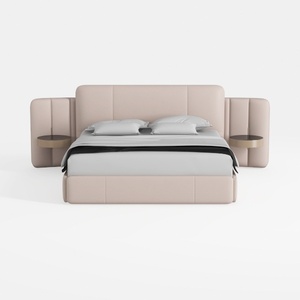
Meridian Furniture B1214Grey-K Vaughn Collection M
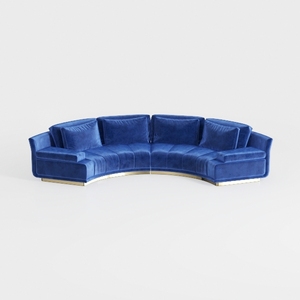

Legend Furniture Modular Sofa for Living Room Velv
Homestyler is your go-to online platform for home design. With its user-friendly design tool, stunning 3D renderings, and a wealth of inspiring projects and video tutorials, you can effortlessly create beautiful spaces that reflect your style. Start your design journey today!
Design Now for FREE
































