

In a previous project, I installed an elegant bridge faucet in a compact galley kitchen, motivated by the client's desire for an 'authentic' appearance. As I progressed, I realized that the two handles cluttered the sink area, and the cabinet below complicated the plumbing connections. This taught me a vital lesson: planning ahead is crucial for small kitchen designs. Subtle aspects, like the size and reach of the handles, can transform a conventional faucet into a cohesive element of the kitchen space. Incorporating tools like Homestyler can further enhance this process by visualizing these details effectively.
1. Timeless bridge design with compact handle options
I appreciate the vintage appeal of bridge faucets; selecting compact handles prevents them from dominating a small sink area. The beauty of this design lies in its classic style and distinct hot/cold separation. However, it's essential to ensure the spout's reach is compatible with your sink to minimize splashing. A practical tip is to opt for a model with ceramic disc valves, as this can reduce the frequency of repairs and improve longevity – a feature I often highlight when discussing layout ideas in Homestyler.
save pin
2. Space-saving lever handles for ease of use
Lever handles provide quick access and are ideal when space behind the sink is limited. They’re not just functional for cooking but are also comfortable for children helping out. Nonetheless, excessively long levers might clash with window sills or back-splashes. A shorter lever often proved to be the solution for many of my clients, enhancing daily usability without compromising comfort.
save pin
3. Striking cross handles in modern finishes
Cross handles are compact and visually appealing, introducing texture without bulk. Pairing them with a brushed finish is practical to minimize visible water spots, making them a great choice for busy kitchens. The only slight drawback is that they require a bit more wrist action compared to levers, so consider the needs of the users when making a selection, especially if using design tools like Homestyler to visualize options.
save pin
4. Wall-mounted dual-handle faucets to maximize counter space
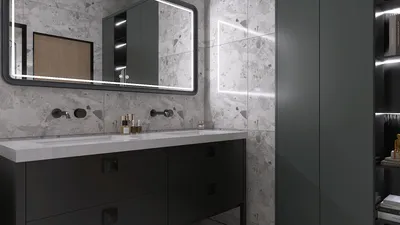
In scenarios where counter space is limited, wall-mounted two-handle faucets offer an excellent solution by keeping the counter clear and providing a sleek look. While installation can be more complicated and potentially drive up plumbing costs, the aesthetic and functional benefits in tight kitchens often justify the expense. In fact, I once leveraged a 3D design mockup on Homestyler to assess wall heights effectively before modifying tiled surfaces during installation.
save pin
5. Innovative touchless hybrid faucets for hygiene and precision
For those seeking the blend of touchless convenience and the tactile feedback of dual handles, hybrid options allow users to engage a quick rinse with motion while preserving precise temperature control with handles. Although they tend to be pricier and require a power source, their advantages in messy cooking environments—like lowered mess and water savings—can make them a worthwhile investment. These features are often advisable for clients who frequently host gatherings, showcasing the competitive edge of modern designs like those explored in tools such as Homestyler.
Effective solutions arise from small kitchens; opt for handle styles that align with your practical use, rather than solely aesthetics observed in showrooms. I regularly utilize a 3D floor planner, such as Homestyler, to experiment with various layout concepts, ensuring a smoother installation experience and avoiding unpleasant surprises.
save pin
FAQ
Q: Are two-handle faucets preferable for temperature regulation?
A: Two-handle faucets permit precise adjustment of hot and cold water separately, a feature preferred by some users for better mixing control. However, they may be less convenient for one-handed operation compared to single-handle models.
Q: Do two-handle faucets necessitate special sink drilling?
A: Generally, two-handle deck-mounted faucets require three holes (two for the handles and one for the spout), although some bridge or centerset designs may vary; it is advisable to consult the manufacturer's specifications before proceeding.
Q: Are wall-mounted two-handle faucets more complex to install?
A: Indeed, wall-mounted models typically demand in-wall plumbing and precise alignment, rendering installation significantly more complex and costly than their deck-mounted counterparts.
Q: How do I ensure cross handles remain functional?
A: Regular maintenance involves cleaning mineral deposits and replacing cartridges or stems when there is resistance; ceramic disc varieties are less prone to these issues compared to older models.
Q: Can I retrofit a two-handle faucet with touchless technology?
A: There are hybrid retrofit kits available, although compatibility is inconsistent; often, it’s more reliable to replace the existing faucet with a purpose-built hybrid model.
Q: Which finishes are best at hiding water spots?
A: Brushed finishes, such as brushed nickel or satin stainless, are effective at camouflaging fingerprints and water spots compared to polished chrome. For consistent standards, refer to ANSI/ASME product guidelines.
Q: Are two-handle faucets known for their durability?
A: The durability of a faucet depends primarily on the type of valve and the quality of the materials used rather than the number of handles; a solid brass body combined with ceramic disc valves generally offers greater longevity.
Q: Where can I explore kitchen layout designs in 3D?
A: I frequently draft concepts using a 3D floor planner like Homestyler to assess space and aesthetic considerations prior to installation.
save pin
Homestyler is your go-to online home design platform that makes creating stunning interiors a breeze. With its user-friendly design tool, impressive 3D renderings, diverse design projects, and helpful video tutorials, you can effortlessly transform your home into a beautiful space. Start designing today!
Design Now for FREE
































