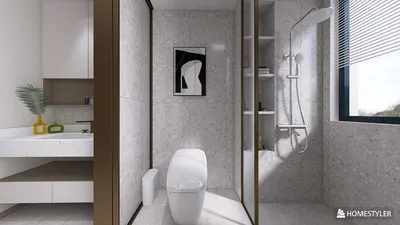


One time, a client of mine was adamant about using tiny penny tiles for a 16 x 8 bathroom because they invoked a sense of nostalgia. This seemed delightful at first until we encountered an overwhelming number of grout lines and a budget that skyrocketed. After spending a weekend creating mockups, I realized how significantly tile size can alter the entire ambiance of a room. To help my clients visualize better before making any cuts, I prepared several tested options along with a detailed layout example.
1. Large-format 24" x 24" tiles for a sleek, modern aesthetic
In a 16 x 8 bathroom, using 24" x 24" (2 ft x 2 ft) tiles creates a serene and uncluttered feel. Given the area of 128 sq ft, approximately 32 tiles will be necessary (128 / 4 sq ft per tile), along with around 10% extra for waste, totaling about 35 tiles. This choice reduces grout lines, resulting in easier maintenance and a luxurious look.
However, using large tiles can expose issues with floor flatness and demands a skilled installer. If your subfloor is uneven, it's wise to invest in leveling or opt for a slightly smaller tile format.
save pin
2. Rectangular 12" x 24" tiles to create the illusion of space
I often recommend 12" x 24" planks for narrow bathrooms, as their orientation plays a crucial role — laying them parallel to the shorter wall helps visually widen the space, while placing them parallel to the longer wall emphasizes its length. Each 12x24 tile covers 2 sq ft, indicating you’ll need approximately 64 tiles plus waste, rounding up to about 70 tiles.
These tiles provide a pleasing balance of being modern and affordable, while also being accommodating to less-than-ideal surfaces. The additional grout lines compared to the 24x24 tiles introduce a desirable texture for many clients.
save pin
3. Mid-sized 18" x 18" tiles for balanced design
The 18" x 18" tiles serve as an elegant compromise between size and aesthetics — they alleviate monotony without overwhelming the space. With each tile covering 2.25 sq ft, plan for about 57 tiles for the total area (128 / 2.25), with around 63 tiles included for waste. I prefer these tiles when clients desire a traditional tiled appearance with minimal seams.
While they may be slightly pricier than 12x24 tiles, they offer easier installation than very large formats, and cuts around fixtures are manageable.
save pin
4. Small tiles and mosaics for showers and accents
For shower flooring and niches, opt for 1"–2" mosaic tiles, as they conform well to slopes and provide grip. Use smaller tiles strategically: a decorative border or niche can infuse character without dominating the 16 x 8 design. Should you decide to install a mosaic shower base, be sure to order extras for precise layout and cutting.
Be aware that small tiles result in increased grout lines, necessitating more maintenance. Nonetheless, they are often the most practical choice for effectively sloped shower pans.
save pin
5. Innovative layout techniques, grout choices, and transitions for any tile size
Implementing a diagonal layout or herringbone pattern using 12x24 tiles can visually enhance a narrow room; contrasting grout lines can either define a pattern or cleverly blend in when matched. I always create mockups of tile arrangements at doorways and around vanities to avoid unattractive narrow pieces at the walls. A minor additional investment in planning now can save on challenging cuts later. To preview how different layouts might feel in the space, consider using the Homestyler tool for visualizing tile layout options.
Budget tip: larger tiles generally lead to a lower installation cost per sq ft due to fewer grout joints needing attention; however, be aware that they may require a more qualified installer along with proper floor preparation.
save pin
Essential measurements and a quick reference guide
Room dimensions calculate to 16 ft × 8 ft = 128 sq ft. To estimate how many tiles to purchase, compute the area (tile sq ft = length × width in feet) while adding 8–12% for cuts and waste; extra should be factored in for diagonal patterns. Remember that shower floors typically require smaller tiles for effective drainage, along with threshold transitions leading to adjacent rooms.
When uncertain, it's a great idea to take home a few sample tiles at full size and lay them out; I do this with every client. If you require a photorealistic mockup of your selections, I often utilize 3D visualization through tools like Homestyler to help sell the concept before finalizing the tile order.
save pin
Frequently Asked Questions
Q1: Which tile size is optimal for a 16 x 8 bathroom?
A: There isn't a definitive 'best' size — 24"x24" offers a polished look, 12"x24" grants flexibility, and 18"x18" serves as a fine compromise. Your choice should reflect your style preferences, subfloor condition, and budget considerations.
Q2: How do I calculate the number of tiles needed?
A: Start by determining the room area (128 sq ft), divide by the tile area in sq ft, and then add about 8–12% for waste. For instance, with 12"x24" tiles (2 sq ft each), expect to need around 64 tiles plus an additional 6–8 for cuts.
Q3: Is installing large-format tiles more challenging?
A: Indeed, they require a flatter substrate and a proficient installer to prevent issues like lippage. Prepare for floor leveling if your base isn't perfectly smooth.
Q4: Should the grout color coordinate with the tile?
A: Matching grout can conceal seams for a seamless appearance, while contrasting grout can highlight patterns. I suggest experimenting with a small sample before making a final decision.
Q5: How about slip resistance on bathroom floors?
A: For wet environments, select tiles with a textured surface or a higher COF rating; keep polished tiles solely for dry zones.
Q6: Is it permissible to use the same tile in both shower and floor areas?
A: You may use the same tile for walls and bathroom floors; however, shower floors usually require smaller tiles or mosaics to ensure proper slopes and traction.
Q7: Where can I access installation guidelines?
A: Consult the Tile Council of North America (TCNA) Handbook for industry-standard installation procedures — this resource is extensively used by pros for substrate preparation and installation techniques (see https://www.tcnatile.com/).
Q8: Are larger tiles more costly in general?
A: While the material cost per tile may be higher, the requirement for fewer tiles and less grout may mean the overall installation cost per sq ft remains comparable or even lower. Always obtain quotes from installers that account for floor preparation.
save pin
Looking to transform your space? Homestyler offers a fantastic online design tool that makes home design a breeze. With stunning 3D rendering, a variety of design projects, and helpful DIY video tutorials, you have everything you need to unleash your creativity and visualize your dream home effortlessly!
Design Now for FREE
































