


Direct Response
When choosing between a 7x9 and an 8x10 rug for dining tables, the 8x10 size is generally more practical. It provides ample space for chairs to remain on the rug even when pulled out. While a 7x9 rug can suit smaller rooms or compact tables, it often restricts chair movement.
Key Takeaways
Overview
Many clients frequently inquire about the difference between using a 7x9 versus an 8x10 rug under dining tables. Although the size difference appears minor on paper, those extra inches can drastically influence the functionality of the dining area.
Having designed numerous residential dining spaces over several years, I've observed a consistent trend. Most people select a rug based on how it looks with chairs tucked in. However, the real challenge arises when chairs are pulled back to sit down.
This scenario is where many dining rugs fail to provide practical use.
To better understand how rug size affects furniture layout and room dynamics, tools like Homestyler that allow interactive dining room setups are invaluable. They help visualize chair clearance, making the right rug size choice clear.
This guide explains scenarios when a 7x9 rug is suitable, when an 8x10 rug is the preferred option, and uncovers common layout issues often overlooked.
save pin
Dining Table Dimensions and Recommended Rug Sizes
Important Note: A dining rug should extend approximately 24 to 30 inches beyond the table edges to accommodate comfortable chair movement.
This recommendation stems from ergonomic furniture design and hospitality standards. Chairs generally move back around 18 to 24 inches when in use. If a rug ends before this space, chair legs tend to catch awkwardly on its edge.
Common dining table measurements:
Suggested rug sizes include:
Prominent organizations and furniture brands endorse these spacing guidelines as chair clearance directly impacts user comfort.
Fitting a 7x9 Rug for Various Table Sizes
Crucial Insight: 7x9 rugs are ideal for smaller dining tables or rooms limited in size.
In practical design scenarios, I recommend 7x9 rugs primarily in three cases:
Typical configurations where a 7x9 rug fits well:
A common error is placing a 7x9 rug under a 72-inch table. Although chairs rest on the rug when pushed in, pulling them out results in the rear legs slipping off the rug edges.
This slight drop feels uncomfortable and can cause progressive damage to the rug's sides.
save pin
Advantages of Choosing an 8x10 Rug for Dining Areas
Insight: An 8x10 rug generally offers the best balance for most dining tables, supporting chair mobility and providing a visual anchor for the space.
In the majority of my dining designs, the 8x10 rug is the most effective choice.
Reasons designers favor this size include:
A little-known benefit is that an 8x10 rug helps the dining room appear intentionally styled and well-planned.
Smaller rugs may cause furniture to feel cramped, whereas larger rugs create a sense of spaciousness around the table, sometimes called visual margin by interior professionals.
If you want to experiment with how different rug sizes influence furniture layout, using tools such as Homestyler can quickly illustrate these spatial relationships.
save pin
Chair Movement Comparison Between 7x9 and 8x10 Rugs
Key Observation: The main practical difference is how much room chairs have to move comfortably with each rug size.
Here’s a straightforward evaluation I apply in my design process:
In everyday use, dining chairs generally extend about 20–24 inches back when pulled out, according to common specifications from brands like West Elm and Crate & Barrel. This is why designers typically select 8x10 rugs for tables seating six.
Room Size Conditions Favoring a 7x9 Rug
Essential Point: A 7x9 rug is more suitable for small dining rooms where a larger rug might overwhelm or crowd the space visually.
Rooms where a 7x9 rug works well often have dimensions like:
From experience, leaving at least 12 to 18 inches between the rug’s edge and the nearest wall or cabinet provides good balance.
In compact spaces, an oversized rug can ironically make the room feel tighter, making a 7x9 rug appear more proportional.
Scenarios Favoring an 8x10 Rug
Important Note: For tables seating six or more, an 8x10 rug is generally the minimum size for comfort.
Select an 8x10 rug when:
An often overlooked consideration is traffic flow. In open-plan homes, a bigger rug helps anchor the dining area so the furniture doesn’t look like it's floating aimlessly.
Before finalizing your choice, reviewing floor plan examples using tools like Homestyler can help you arrange dining furniture and rugs optimally.
Summary Answer
Typically, an 8x10 rug outperforms a 7x9 under dining tables because it allows sufficient clearance for chairs to remain on the rug when pulled out. Conversely, a 7x9 rug fits better with small tables or tight dining spaces.
Final Thoughts
Frequently Asked Questions
Is a 7x9 rug suitable for a dining table?
Yes, but mainly for tables that seat four or for smaller dining rooms.
Is an 8x10 rug too large for most dining rooms?
Not usually; the 8x10 size comfortably accommodates most tables for six people and standard dining spaces.
What distinguishes 7x9 and 8x10 dining rug placements?
The difference lies in chair clearance. An 8x10 rug provides more space for chairs to slide back on the rug surface.
How far should a rug extend beyond a dining table?
Design experts recommend around 24 to 30 inches of rug overlap beyond the table edges.
Is it advisable to place a rug under a dining table?
Yes. Rugs define the dining zone, protect flooring, and help reduce noise levels.
Which rug shape is best for rectangular dining tables?
Rectangular rugs typically complement rectangular tables for aesthetic alignment and balance.
Should dining chairs stay fully on the rug?
Absolutely. Chairs should remain on the rug even when pulled out for sitting.
Which layout is better: 7x9 or 8x10 rug under dining tables?
For most households, an 8x10 rug under the dining table is preferable because it enhances chair comfort and room harmony.
What began as an Autodesk innovation has evolved into a design platform used by more than 18 million people around the globe. Homestyler combines powerful rendering, an intuitive editor, and a vast furniture library to help you turn inspiration into photorealistic designs — whether you're redesigning a single room or planning an entire home.
Modern Cowhide Leather Metal Chaise Lounge 3D Model


Modern Minimalist Dark Oak Metal Accent Chair with Houndstooth Throw 3D Model
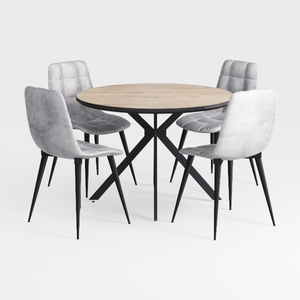
Modern Oak Top Black Metal Velvet Upholstered Dining Table Chair Set 3D Model
Homestyler is an easy-to-use online home design platform offering powerful 3D rendering, diverse design projects, and helpful video tutorials. It lets you visualize and create stunning interior designs effortlessly, making it perfect for both beginners and experienced users.
تصميم الآن مجانا
































