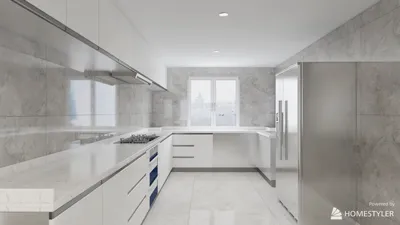


I once transformed a small studio with a striking dark blue tone, confidently proclaiming it would exude luxury. But when my client turned on the lights, she lamented that the walls appeared greasy. It was a rookie oversight: I chose a semi-gloss finish to create drama but ended up with glare. This experience taught me to be more intentional about pairing colors and finishes. Now, I often create quick mockups and use design tools like Homestyler to plan the space before any paint is applied.
1. Matte for cozy, inviting walls
Matte (flat) finishes are excellent at concealing imperfections and can make smaller rooms feel soft and inviting. I prefer using this finish in bedrooms and low-traffic living areas. However, it's less washable, so I steer clear of it in areas prone to spills.
save pin
2. Eggshell: the perfect everyday balance
Eggshell paint is my favorite for most compact apartments due to its balanced sheen and easy upkeep. It reflects a bit of light, preventing the space from feeling claustrophobic, yet it won’t show brush strokes. Just remember, it’s not as durable as satin in heavy traffic areas.
save pin
3. Satin for hallways and children's areas
Satin finishes provide better ease of cleaning without the overt shine, making them perfect for hallways, children’s rooms, and rental living spaces. In a recent remodel, I chose satin for trims and lower walls to withstand scuffs; it simplified touch-ups, but application needed precision to avoid lap marks.
save pin
4. Semi-gloss for wet and messy areas
Semi-gloss is ideal for kitchens, bathrooms, and trim pieces as it resists moisture and is easy to clean. Be cautious of light angles in smaller kitchens, though. I often pair semi-gloss with practical layout adjustments and, in a recent kitchen project, used Homestyler to coordinate finishes with the cabinet layout, avoiding any unexpected surprises.
save pin
5. High-gloss accents for visual impact
While I don’t apply high-gloss everywhere, a slick door or a glossy splash of color in a niche can create the illusion of built-in furniture, especially in a compact room. It intensifies colors and is highly durable, but be aware that it will highlight surface imperfections, meaning thorough preparation is crucial, more so than for matte finishes.
save pin
Quick pairing tips and budget considerations
If budget is a concern, consider a single high-sheen trim combined with matte walls to maximize impact without excess cost. Always test samples on different walls and at varying times of the day, as sheen reacts with natural light in ways that swatches may not truly represent. When striving for modern small-space solutions, I sometimes visualize the end result using 3D renderings on platforms like Homestyler to prevent repainting headaches later on.
save pin
FAQ
Q1: What’s the best paint sheen for small rooms?
A: Eggshell or satin are generally the best choices for small spaces as they reflect sufficient light to avoid a cave-like vibe but aren't overly shiny to create glare. Consider functionality: use satin in areas needing washability.
Q2: How does sheen affect color perception?
A: Yes, higher sheens enhance color and showcase depth, while matte finishes tend to soften and mute it. Always test on a large enough area to assess how it looks under real lighting.
Q3: Which sheen is easiest to maintain?
A: Semi-gloss and high-gloss finishes are the easiest to clean, followed by satin. Flat paints are the least manageable in high-traffic areas.
Q4: Can sheen conceal wall imperfections?
A: Matte or flat finishes excel at hiding bumps and small flaws. Glossier paints, in contrast, accentuate textures, so they should be applied to smooth, well-prepared surfaces.
Q5: How often should I repaint depending on sheen?
A: High-traffic areas with satin or semi-gloss finishes may need refreshing every 3 to 5 years; conversely, low-traffic matte walls can last longer. Surface wear and lifestyle factors influence timing more than sheen alone.
Q6: Is choosing sheen important for bathrooms?
A: Absolutely—opting for semi-gloss in trim and areas exposed to moisture improves durability and makes cleaning simpler. Adequate ventilation is still essential to prevent mold and paint deterioration.
Q7: Where can I find reliable information on paint finishes?
A: Reputable paint manufacturers provide credible information; for instance, Sherwin-Williams offers detailed explanations of different finishes and their recommended applications (Source: Sherwin-Williams, Paint Finishes Guide, https://www.sherwin-williams.com/).
Q8: Any expert advice for testing paint sheens?
A: Apply 2x2 foot sample patches on various walls and view them at different times of day. If possible, take photos of the samples in the room's lighting—smartphones can capture reflections that your eyes might miss.
save pin
Homestyler is your go-to online home design platform! With its user-friendly design tool, stunning 3D renderings, and an extensive collection of design projects and DIY video tutorials, you can effortlessly create and visualize your dream space. Transform your home today!
立即免费设计
































