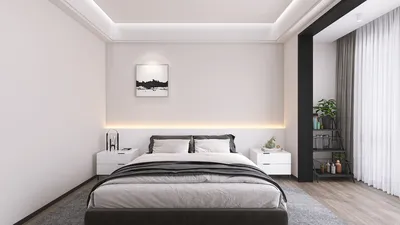


I once worked with a client who insisted on having black trim paired with eggshell pink walls, believing it would transform her small apartment into something reminiscent of a Parisian boutique. This approach indeed succeeded, but it required several late-night touch-ups and imparted an important lesson: the impact of darker trim can vary significantly based on proportion and finish. If you're curious to see how various trim options would look in your space before making a decision, consider using a tool like Homestyler for a 3D mockup; this visualization can help you avoid repainting later on.
1. High-contrast frames for a fresh modern aesthetic
I am fond of the way a sharp black or deep charcoal trim can beautifully contrast with light walls, creating that gallery-like ambiance. This combination draws attention to doors and windows while making architectural features appear intentional. On the flip side, it accentuates every flaw, making meticulous prep work and a durable semi-gloss finish crucial.
Tip: Start by testing a 6-inch border; if the contrast feels too intense, you can soften it by opting for a warmer dark shade.
2. Deep neutrals to ground light palettes
Utilizing a warm dark brown or muted navy for trim can lend depth to a room without the harshness of black. When used thoughtfully in small spaces, this approach can anchor the overall palette and make furniture stand out; however, excessive use on ceilings or substantial built-ins could potentially make the room feel constricted.
Budget-friendly note: applying a dark stain to natural wood trim may be more economical than multiple layers of paint, plus it tends to develop a richer appearance over time.
save pin
3. Accent trim with color blocking
Consider painting the trim a darker shade of an accent wall color for a harmonious and dramatic effect. In a small kitchen project I executed last year, the darker trim became the focal point for open shelving and enhanced the cohesive design—everything felt intentionally arranged, rather than haphazard. When making medium-sized changes in a compact galley kitchen, visualizing with a mockup tool like Homestyler helped balance the contrast effectively without overwhelming the cabinetry.
Challenge: It’s critical to coordinate your hardware and cabinet finishes; aim for a unified look across your selections.
save pin
4. Tone-on-tone trim for subtle elegance
For a more nuanced approach, select a trim color that's a few shades darker than the wall color—this enhances depth while maintaining a serene atmosphere. It’s forgiving of minor imperfections, making it ideal for period homes where you want the mouldings to be noticed but not overly pronounced.
Practical tip: While matte or low-sheen finishes can conceal imperfections better, they tend to be harder to maintain compared to semi-gloss in busier areas.
save pin
5. Practical selections for wet zones and bustling spaces
In kitchens and bathrooms, darker trim is excellent for hiding scuffs and fingerprints, yet moisture and cleaning products necessitate durable finishes. For both style and practicality, choose a dark, wash-friendly paint, and consider how the trim interacts with tiles and grout; experimenting with full-size samples in the actual room can provide a clearer sense of scale and light dynamics.
If you're embarking on a renovation, I frequently reference bathroom case studies to set realistic expectations about wear and maintenance; these bathroom trim suggestions assured my clients before they finalized their material orders.
save pin
FAQ
Q1: Will painting trim darker than walls make my room seem smaller?
A: Yes, if the trim visually dominates the space or if the color is highly saturated. It’s advisable to use darker trim to frame elements rather than to cover large areas; testing samples in actual lighting is beneficial.
Q2: What type of paint finish works best for darker trim?
A: Semi-gloss or satin finishes are popular choices as they offer durability and ease of cleaning; however, higher sheen can reveal flaws more prominently. It’s about finding a balance between longevity and your comfort with visible imperfections.
Q3: Should interior doors match the trim?
A: Harmonizing doors with the trim fosters a cohesive look, while contrasting doors can serve as eye-catching features. Both options are valid; the decision hinges on whether you favor harmony or emphasis.
Q4: By how many shades should trim be darker than walls?
A: A common guideline is to choose 2–4 shades darker for subtlety; opt for a greater difference (5+ shades) for a dramatic, contemporary contrast. Always check full-size swatches under the room’s lighting before finalizing your choice.
Q5: Is using darker trim practical for areas with high traffic?
A: Absolutely—darker colors tend to mask stains and marks better, though it’s crucial to select a finish designed for frequent cleaning.
Q6: Can dark trim influence the perception of ceiling height?
A: Yes, dark trim on the mouldings near the ceiling can visually lower it; to maintain a spacious feel, keep overhead trim lighter.
Q7: Are there any accessibility or safety issues with dark trim?
A: High-contrast trim can enhance visual cues for individuals with low vision, making it easier for them to locate doorframes and switches.
Q8: Where can I find reliable guidance on paint finishes?
A: Paint manufacturers typically provide useful specifications; for instance, Benjamin Moore recommends semi-gloss or satin finishes for trim due to their durability and ease of maintenance (see: https://www.benjaminmoore.com).
save pin
Homestyler is your go-to online home design platform! With its user-friendly design tool, stunning 3D renderings, and a treasure trove of design projects and DIY video tutorials, you can effortlessly create and visualize your dream space—no design experience needed!
立即免费设计
































