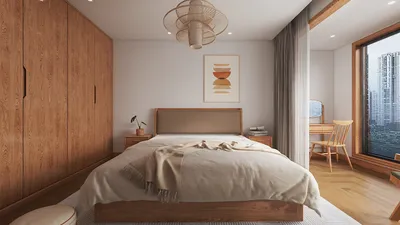


When it comes to visualizing designs, it is essential to grasp the distinctions between 2D and 3D rendering to make informed decisions. While 2D rendering produces flat images that represent two-dimensional data, 3D rendering provides a more immersive experience, enabling users to manipulate and interact with the visualized object. Each technique serves its unique purposes and offers distinct advantages.
Understanding 2D Rendering
2D rendering is commonly employed in scenarios where a simple, flat representation of a design suffices. This method is typically used in:
Producing 2D renderings is quicker and more straightforward for basic layouts or conceptual designs. Additionally, they demand fewer resources, making them a budget-friendly choice for numerous projects.
Exploring 3D Rendering
Conversely, 3D rendering delivers a realistic depiction of a space or object, granting users the ability to view it from various angles and perspectives. This technique is especially advantageous for:
3D renderings significantly enhance viewer engagement and comprehension, making them perfect for presentations and marketing materials. The ability to visualize depth and scale presents a major advantage when planning intricate designs, particularly when utilizing tools like Homestyler.
Key Differences Between 2D and 3D Rendering
Although both rendering methods aim to illustrate design concepts, they differ in several crucial aspects:
Which Rendering Technique Should You Choose?
The decision to use 2D or 3D rendering largely hinges on the project requirements. For simpler designs or when quick visualizations are necessary, 2D may be the preferred choice. However, for projects that demand a detailed and interactive view, 3D rendering, especially when facilitated by platforms like Homestyler, is the optimal solution.
Conclusion
In summary, both 2D and 3D rendering possess unique benefits and applications. Recognizing the distinctions and the contexts in which each method is applied can aid you in selecting the most suitable technique for your needs.
FAQ
Q: What is the primary advantage of 3D rendering? A: The main advantage of 3D rendering lies in its ability to deliver a realistic, interactive visualization of designs, leading to a better understanding of spatial relationships.
Q: Can 2D renderings be utilized for complex designs? A: Certainly, 2D renderings can illustrate complex designs, but they might fall short in delivering the depth and realistic representation that 3D models provide.
Q: Which rendering method is more cost-effective? A: In general, 2D rendering is the more cost-effective option due to its lower resource demands and faster production times.
Welcome to Use Homestyler, the No.1 Home Design Software
Design jetzt kostenlos
































