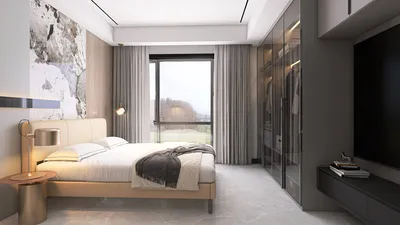


Once, I accepted a project to paint a client's entire living room 'sunset orange,' driven by the enticing name. However, when it arrived, the result resembled a traffic cone. This experience taught me valuable lessons about how hue, lighting, and the scale of a room can dramatically alter perception. Especially when using orange in smaller spaces, it’s essential to try paint samples beforehand and visualize the layout. I often begin by sketching small room designs to understand how light interacts with each wall.
Sunlit Terracotta: warm, grounded, timeless
Terracotta embodies an earthy sophistication; I’ve utilized it as a complete room color in a south-facing studio where the morning sun illuminated the clay beautifully. This hue complements wood tones and conceals scuff marks better than lighter paints, making it ideal for households that are often busy.
It might not suit every taste — in north-facing spaces, it can feel rather heavy. Pairing it with crisp whites or reflective metals can provide a nice balance. A budget-friendly tip is to combine terracotta with inexpensive rattan or thrifted wooden furniture to create a high-end ambiance without overspending.
save pin
Muted Apricot: soft, modern, forgiving
Muted apricot is my preferred choice when clients desire energizing orange hues without it being overly vibrant. This color appears nearly neutral during twilight, and I love using it in cozy bedrooms where it enhances the sense of warmth without making the space feel confined.
The key challenge lies in selecting the right undertones, as some apricots can seem too pink under LED lighting. I always test a 2x2 foot swatch over a few days, adjusting lighting if necessary. Simple enhancements like a mirror and light bedding can maintain an airy feel within the room.
save pin
Vibrant Tangerine Accent: playful and punchy
For an accent wall or cabinetry, tangerine infuses cheerfulness and works excellently in kitchens and entryways. I once employed a tangerine stripe behind open shelving, creating a striking contrast with dishware — a cost-effective method to personalize a space.
Use it sparingly; excessive application can create a sense of chaos. When reconsidering layout while adding a bold color, contemplate how traffic flow and focal points will evolve, especially in kitchen prep areas. I often collaborate with clients on kitchen layouts to ensure that the color amplifies without overpowering the design.
save pin
Soft Peach for Bedrooms: relaxing and flattering
Peach tones are universally flattering for skin and fabrics, making them excellent choices for bedrooms or dressing areas. I once suggested a soft peach for a couple's master suite, achieving a tender, romantic ambiance without being overly sweet.
It harmonizes beautifully with cool grays or soft navy shades, grounding the overall scheme. A small note: with extensive white trim, peach may appear sweeter, so opting for whites with warm undertones is wise to maintain a cohesive look.
save pin
Smoky Amber: modern, moody, luxe
Smoky amber occupies a space between orange and brown — it’s an adult orange that brings sophistication to dining rooms or as a highlight in a hallway. I used it in a powder room with matte black fixtures, and the dramatic outcome was well-received by guests.
This color requires sufficient lighting and contrast (such as art, brass elements, or patterned tiles) to prevent the space from feeling muddled. For those wanting to visualize the final effect before making a commitment, I recommend utilizing realistic 3D renderings to assess finishes and lighting.
save pin
FAQ
1. What shade of orange is best for small rooms?
Lighter, muted oranges like apricot or soft peach excel in keeping spaces open while infusing warmth. Always test samples under your room's lighting before making a decision.
2. How do I balance orange walls with furniture?
Incorporate neutral elements such as warm woods, soft grays, or navy accents. Adding textures (like rugs or woven baskets) can help offset the intensity and render the orange tones feel intentional.
3. Will orange make my room appear smaller?
Not necessarily — lighter, muted oranges can visually expand a room. Reserve brighter oranges for accent applications rather than full-room coverage in confined spaces.
4. What color trim should I pair with terracotta?
Opt for off-whites with warm undertones or deep charcoals for a striking contrast. Pure bright white might clash with the inherent warmth of terracotta.
5. How do lighting types affect orange paint?
Warm LED lights elevate orange’s warmth, while cool fluorescents can dull or alter undertones. Always assess swatches in your room during various times of the day for a true representation.
6. Any budget-friendly ways to experiment before painting?
Consider large peel-and-stick swatches, painting sample boards, or using spray on foam core for a bigger visual. Renting a paint sprayer or hiring a professional for a sample wall could be economical compared to a complete repaint.
7. Are there backed studies on color perception and mood?
Indeed — studies in environmental psychology reveal that warm colors like orange can boost energy levels and enhance social interactions (see insights from major design institutions and color authorities at sources like Sherwin-Williams).
8. Can I mix orange with patterns?
Absolutely — oranges harmonize well with geometric navy designs, botanical greens, and subtle metallics. Maintain one dominant element while allowing patterns to serve as a complement.
save pin
Homestyler is your go-to platform for effortless home design! With its user-friendly online design tool, stunning 3D renderings, and an array of inspiring design projects and video tutorials, transforming your space has never been easier. Unleash your creativity and visualize your dream home today!
立即免费设计
































