

I once worked with a client who envisioned their compact studio enveloped in a mint green hue from floor to ceiling, describing their desire to "live in an ice cream cone." Although I hesitated, I managed to transform mint green from juvenile to chic, all while learning valuable strategies that save both time and money. Before applying any paint, I recommend a method that I cherish: envisioning the space to assess scale and light beforehand.
Limited areas can ignite expansive creativity, and mint green serves as one of those inviting colors that harmonizes beautifully with light, wood, and metal. Below are five practical inspirations I've applied in actual projects — each comes with its advantages, a minor caveat, and tips regarding budgeting or execution.
1. Mint as a Soft Coastal Accent
Create an accent wall in a mint shade that leans towards blue, then complement it with sandy neutrals and woven textures. The benefit is an instant boost in brightness and a relaxed atmosphere; however, be cautious to avoid a cliché beach cottage aesthetic if your aim is a more modern feel.
Tip: Choose a single warm wood tone for furniture to anchor the palette. This budget-friendly option ensures the mint appears intentional rather than accidental.
save pin
2. Combine Mint with High-Contrast Monochrome
The interplay of mint with crisp whites and charcoal or matte black trim introduces drama without heaviness. I utilized this combination in a snug dining nook — the mint reflects light, while the darker trim adds definition to the space and accentuates the furniture.
Be wary of creating a cold vibe: include a textured rug or brass lighting to infuse warmth, especially if the ambiance feels too sterile.
save pin
3. Half-Wall Mint with Wainscoting
Applying mint on the lower half of a wall paired with white wainscoting enhances proportion and charm in smaller spaces. Before making a decision, I always create a detailed floor plan to visualize furniture placement and how the half-wall will divide the area — this helps prevent awkward chair arrangements later.
This method works well for renters looking for upgrades and conceals scuff marks. A key point is ensuring moldings align properly; an adept carpenter or a careful DIY partner can resolve that issue economically.
save pin
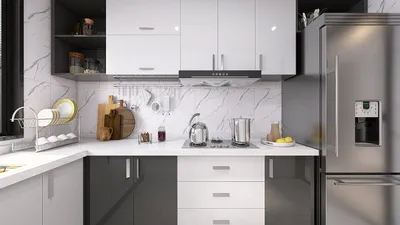
4. Mint Green as a Kitchen Backsplash or Open Shelf Backdrop
In compact kitchens, a mint backsplash or a painted shelf back adds a splash of color without overwhelming the space. I once painted the interior of open cabinets mint and paired them with warm brass pulls — the outcome felt fresh rather than retro.
The primary drawback is maintenance: opt for a semi-gloss or washable eggshell finish in areas prone to splashes. From a budgeting perspective, test a small section first to ensure the mint shade interacts well with your kitchen lighting.
save pin
5. Mint in Bathrooms and Narrow Hallways
Bathrooms and hallways can greatly benefit from the reflective properties of mint: it bounces light and creates the illusion of wider narrow corridors. While designing plumbing or cabinetry, consider the kitchen workflow layout to ensure color choices complement functionality and hardware finishes.
A minor consideration — mint can show water stains in humid bathrooms, so it's best to select a mildew-resistant paint and ensure good ventilation. I often suggest using a mid-range brand that offers excellent durability at a reasonable cost.
save pin
FAQ
Q1: What shade of mint is best suited for small spaces?
A: Opt for a mint with gray or blue undertones to avoid a neon appearance. Test sizable swatches in morning and evening light to finalize your choice.
Q2: Is mint green appropriate for kitchen settings?
A: Yes — mint can act as a lively backsplash, a cabinet interior, or an accent wall that brightens small kitchens, but ensure you use durable, washable finishes in areas prone to splashes.
Q3: Which finish is optimal for mint-colored walls?
A: Eggshell or satin finishes are generally ideal for living areas; reserve semi-gloss for high-moisture or frequently touched spots. These finishes strike a balance between washability and a subtle sheen.
Q4: Can mint green contribute to making a room appear larger?
A: Definitely. Mint reflects light and presents as a cool, receding color, which can visually expand a small room when matched with warm accents.
Q5: How can I prevent mint from seeming childish?
A: Ground mint with sophisticated materials like matte black hardware, warm woods, or textured neutrals. Incorporating a single bold accessory can convey intentional design.
Q6: Is mint green a trendy or a timeless choice?
A: Mint goes through cycles of popularity, but when combined with classic materials and smart finishes, it can feel timeless. Use it thoughtfully as any accent, rather than over-saturating the space.
Q7: How should I evaluate paint samples?
A: Paint large 2x3 foot swatches on different walls and observe them over several days and variations in lighting to determine the best undertone.
Q8: Where can I gather information on paint durability and sheens?
A: Reputable manufacturer resources are helpful; for instance, Sherwin-Williams provides comprehensive guides on paint types and finishes. Use those specifications when selecting paint for moisture-rich or high-traffic areas.
Looking to transform your space? Homestyler is the ultimate online home design platform! With its easy-to-use design tool, stunning 3D renderings, and a wealth of DIY video tutorials, you can effortlessly create and visualize your dream interiors. Start designing today!
Zaprojektuj teraz za darmo
































