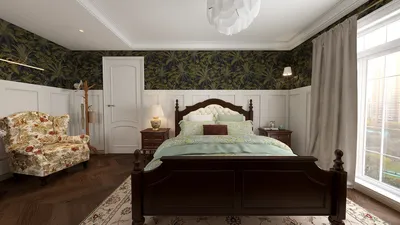


I appreciate how a subtle glow can establish a particular ambiance in a space. Adorable lighting options—such as string lights, small lamps, floating cloud fixtures, and neon shapes—serve a purpose beyond aesthetics; they influence our circadian rhythms, soften harsh lines, and foster social interactions. When designing the lighting for a room, I strive to merge aesthetics with practical comfort, considering factors like illuminance, glare reduction, color accuracy, and safe electrical practices. The ambition is to create a layered and inviting atmosphere that still facilitates activities like reading and crafting, while also providing a relaxing environment to wind down in.
Data helps maintain the delightful whimsy of a space. WELL v2 guidelines suggest minimizing glare, aiming for a Unified Glare Rating (UGR) below 19 in most functional areas, and promoting circadian-friendly lighting by using the right spectrum and timing; I use these principles even when designing warm bedrooms. For effective task lighting, the Illuminating Engineering Society indicates that living rooms typically function well with a light level of about 100–300 lux, while reading corners should aim for 300–500 lux to ensure proper contrast. Additionally, color psychology plays a key role: studies show that warm colors (like soft amber and blush pink) promote calmness and social interactions, making them ideal for relaxed conversations under fairy lights—while cooler hues can create a more alert atmosphere. I incorporate warm ambient light sources, add a neutral-white task lamp, and sprinkle in decorative sparkle.
Creating a Strategy for Layered Adhesive Lighting
Effective lighting should be layered for optimal impact. I typically begin with ambient lights (like paper lanterns, cotton-ball strings, and softly diffused LED clouds), then integrate focused task lighting (like a clip-on library lamp set to 4000K for clear visibility), and finally introduce scene-enhancers (like neon signs in the 2700–3000K range, or micro-LED garlands with dimming options). This structured approach cultivates a pleasing rhythm: broad washes for comfort, directed light for focused activities like reading or sketching, and whimsical touches for personality. If you plan to rearrange furniture around lighting fixtures or windows, utilizing a room layout tool such as Homestyler can help you experiment with viewing angles, cable placements, and glare considerations before installation.
Understanding Color Temperature and Its Influence on Mood
For warm and inviting spaces, I typically opt for warm white lighting (2700–3000K) to complement skin tones and textiles, saving a cooler 3500–4000K for desk tasks that require sharp edges but shouldn't feel clinical. It's beneficial to maintain consistency in color temperature within each area—blending cold white neon with ultra-warm fairy lights can lead to visual distortion. A single dim-to-warm string set (transitioning from 3000K to 2200K) can guide you through an entire evening, adapting from activity to relaxation mode.
Managing Brightness, Dimming, and Eye Comfort
Even charming lights require proper brightness levels. If your fairy lights are mainly decorative, pair them with a dimmable floor lamp that offers 300–500 lux for reading. I prefer using dual control systems: a central dimmer for ambient lighting and inline dimmers for string lights. This setup allows me to maintain sparkle without forcing the eyes into consistent strain. Additionally, incorporating indirect lighting—by directing small lamps towards walls or shelves—can produce a gentle contrast while minimizing glare; following the WELL Building Standard’s guidelines for glare can enhance comfort in both homes and workplaces.
Controlling Glare in Decorative Lighting
Numerous adorable fixtures can reveal glaring diodes. To mitigate this, I utilize diffusers (like rice-paper shades or frosted globes) or employ indirect mounting techniques (such as placing them behind headboard lips or under shelves). Position cute pendants out of direct sightlines; when seated, you shouldn’t be staring directly at the light source. For neon artwork, it’s best to mount them at or just above eye level and ensure they are against a matte backdrop to prevent distracting reflections.
Color Accuracy and Material Considerations
Select LEDs that have a Color Rendering Index (CRI) of 90 or above to ensure that fabrics and wall art maintain their original vibrancy. Rooms painted in pastels may appear washed out if illuminated with low-CRI lights. I often pair warm string lights with linen or shoji-paper shades and matte finishes (like eggshell) to avoid high-gloss surfaces that can amplify bright spots. Copper or brushed brass accents look stunning with 2700K lights, while chrome fixtures are highlighted beautifully at 3000–3500K.
My Preferred Types of Charming Lights
- Micro-LED fairy strings: perfect for tucking into jars, headboards, or bookshelves; dimming capability is crucial.
- Paper lantern clusters: provide soft diffusion while adding a sculptural element; hang them at varying heights.
- Cloud pendants or mushroom lamps: offer playful forms and wide illumination spreads.
- Neon silhouettes: serve as statement pieces on gallery walls; choose soft white or blush shades to avoid harshness.
- Projector nightlights: create slow-moving patterns for relaxation, set to lower intensity.
- Clip-on task lamps: provide practical lighting near beds or sofas; ensure they have flicker-free capabilities.
Employing Placement Strategies for Spatial Harmony
Achieve balance in a room by creating a gentle triangular composition: position a warm floor lamp as the anchor, place a pendant light across the room, and scatter string lights around shelves. Make sure pathways remain clear—avoid running cables across walkways. If your seating arrangement shifts between a sofa and a window nook, pre-wire both areas or consider utilizing battery-operated string lights. A quick mockup using an interior design tool like Homestyler can help simulate glare from windows and fine-tune mounting heights.
Ensuring Safety, Proper Wiring, and Maintenance
Use UL-listed or equivalent-certified LED string lights, keep them away from flammable materials, and ensure they have indoor ratings. Avoid exceeding the manufacturer’s daisy-chain limits. For rental properties, removable adhesive hooks or micro-track clips can protect walls. Regularly dust diffusers to maintain their effectiveness— even a thin layer can diminish output and alter the perceived color temperature.
Night Modes for Sleep-Friendly Environments
In sleeping areas, establish a warm, low-brightness path light. Dim-to-warm light strips that hover around 2200K can help limit blue light exposure and support evening routines. Position them under bed frames or behind nightstands to avoid direct visibility. Automate the transition from active lighting to a night mode using simple timers or smart plugs.
Harmonizing Acoustic and Material Elements
Soft materials amplify the cozy appeal of a space. Incorporating felt panels, boucle throws, and heavy curtains aids in sound absorption, allowing small glows to feel more intimate. Paper shades provide a tactile warmth; rattan diffusers cast organic shadows that beautifully complement fairy lights.
Maximizing Charm in Small Spaces
In compact areas, I focus light towards the edges: using cove lighting, wall washes, and small lamps on shelves. This technique not only enhances perceived space but also minimizes glare from ceilings. Scale is essential—select smaller shades and shorter string lights to prevent visual clutter, but include one standout fixture (like a cloud lamp) for character.
Sustainable Lighting Choices
Opting for LEDs with replaceable drivers and durable diffusers tends to outperform disposable novelty lights. Rechargeable battery-operated strings help declutter cables and cut down on single-use batteries. When possible, choose classic designs and swap out shades each season instead of purchasing new fixtures.
Frequently Asked Questions
Q1: What level of brightness should I target for a reading corner with cute lights?
A: Aim for approximately 300–500 lux on the page using a focused lamp, while keeping decorative strings dim for overall ambiance. A neutral-white light (about 3500–4000K) is beneficial for contrast in text readability.
Q2: How can I prevent glare from exposed micro-LED string lights?
A: Utilize diffusing materials like paper or frosted shades, bounce light off surfaces, and keep lighting fixtures positioned away from direct sightlines. Using dimmers and matte backgrounds can help reduce reflections.
Q3: Should I use warm or cool lights for a cozy bedroom?
A: Warm white lighting (2700–3000K) promotes relaxation and is more flattering. For pre-sleep routines, dim-to-warm options near 2200K assist in reducing alertness while maintaining a soft glow.
Q4: Is it possible for cute neon art to be comfortable for extended periods?
A: Absolutely, provided it's selected in softer shades, dimmed effectively, and mounted a bit above eye level. Pair it with warm ambient lighting to create a balanced atmosphere.
Q5: How can I ensure color accuracy on pastel walls and artwork?
A: Choose LEDs with CRI 90+ to maintain color fidelity. Lower-CRI lights can wash out pastels and skew skin tone appearances.
Q6: What layout advice can I use to feature multiple small lights without clutter?
A: Construct a light triangle—incorporate one ambient source, a pendant or wall washer on the opposite side, with small accents on shelves. Use a room design visualization tool for trial layouts before making permanent changes.
Q7: Is there a standard I can reference for maintaining comfort?
A: The WELL Building Standard provides useful guidance on glare and circadian support, while IES illuminance levels serve as effective benchmarks for living and reading spaces.
Q8: How can I safely manage cables for strings and mini lamps?
A: Utilize UL-listed lighting products, avoid overloading electrical outlets, ensure cords are clear of walkways, and secure them with removable clips. Battery-powered strings can help mitigate trip hazards.
Q9: Do cooler lights help make a small room feel larger?
A: While slightly cooler ambient lighting (around 3500K) can create a crisper feeling, utilizing perimeter lighting and wall washing has a more substantial impact on perceived space than color temperature alone.
Q10: What’s the ideal way to incorporate seasonal changes without waste?
A: Maintain a quality fixture as your base and rotate shades or gels. Rechargeable lights and durable diffusers reduce waste while allowing for style refreshment.



Homestyler is the ultimate online home design platform for anyone looking to elevate their space. With its user-friendly design tool, stunning 3D renderings, and a wealth of inspiring design projects and video tutorials, you can effortlessly transform your ideas into reality. Start your design journey today!
Design Now for FREE
































