Balcony Space Design
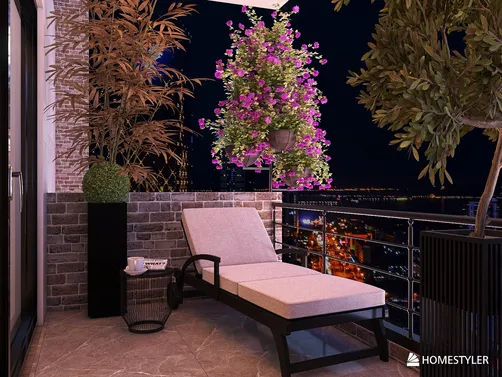
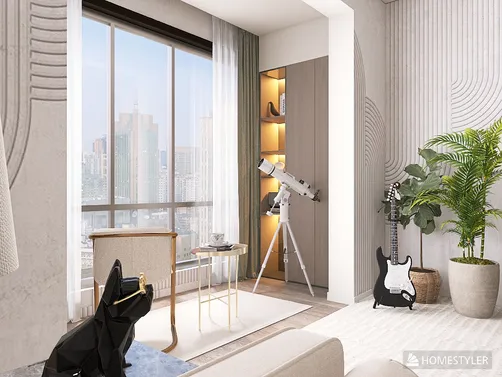
The balcony—often overlooked as mere transitional space—is reimagined in this AIDA design challenge as a vital extension of indoor living: a multifunctional, nature-integrated micro-environment. Whether serving as an urban oasis for morning coffee and evening stargazing, a compact home office with mountain views, a biophilic dining nook, or a lush green wall retreat, the balcony embodies the convergence of indoor space planning, climate responsiveness, and lifestyle intentionality. This scene transcends size constraints (ranging from 37–651 sq ft across winning entries) and typologies—from high-rise apartments to detached Australian Queenslander homes—making it a universally relevant yet highly personalized design frontier.
Design Challenges & Common Pitfalls
Balconies face unique spatial, environmental, and regulatory hurdles: limited square footage demands hyper-efficient indoor space planning; exposure to sun, wind, rain, and temperature swings necessitates durable, weather-adaptive materials; structural load limits restrict heavy furniture or built-ins; privacy concerns arise from proximity to neighbors; and building codes often restrict modifications to railings or drainage. Common missteps include ignoring microclimate (e.g., placing seating in full midday sun without shade), over-cluttering small footprints, neglecting vertical surfaces for storage/greenery, and selecting non-weatherproof furnishings—compromising both longevity and user comfort.
✅ Prioritize Multifunctional Zoning
Treat the balcony not as a single-purpose zone but as a layered ecosystem: define distinct yet fluid areas for relaxation, dining, working, or gardening—even within under 50 sq ft. Use lightweight, modular furniture (e.g., foldable bistro sets, nesting tables), convertible elements (daybeds that double as lounging and sleeping), and visual cues like rugs, lighting zones, or planter rows to demarcate functions without physical barriers. This approach maximizes utility while preserving openness—a core principle of smart indoor space planning.

Linda H’s 'Balcony' (Top 3 winner) masterfully applies multifunctional zoning: a compact reading nook with built-in shelving coexists with a morning coffee station and evening lounge area—all within ~144 sq ft. Using Homestyler’s drag-and-drop layout tools, she tested multiple furniture configurations in real time, validating sightlines to the mountain view while ensuring unobstructed circulation. Her use of layered textures (woven rug, timber slats, soft cushions) and strategic ambient lighting in Homestyler’s HDR rendering ('rustig') visually separates zones without walls—showcasing advanced Homestyler design技巧 for small-space versatility.
Start Free Design🌿 Maximize Vertical & Biophilic Integration
With floor area often constrained, vertical surfaces become prime real estate. Install modular planters, hanging gardens, trellises with climbing vines, or wall-mounted fold-down desks and shelves. Integrate biophilic design principles—not just potted plants, but varied foliage heights, natural materials (stone, rattan, reclaimed wood), and water features—to reduce stress and improve air quality. This transforms the balcony into a living, breathing extension of nature—enhancing wellness while optimizing every inch of available space.

Alicja’s 'Balcony 01' (Top 6) exemplifies vertical and biophilic integration: a full-height green wall anchors the space, providing privacy, cooling, and serenity, while hanging chairs and recessed stone seating minimize floor footprint. She leveraged Homestyler’s material library to preview how natural textures (wood, stone, live moss) interacted under varying sunlight conditions (HDR: 'peoples_square_night'), ensuring aesthetic cohesion and functional performance. Her workflow demonstrates how Homestyler design技巧 support evidence-based biophilic decisions—turning ecological intent into visually compelling, occupant-centered outcomes.
Design Your Balcony Now☀️ Optimize Light, Climate & Contextual Harmony
Sun path, prevailing winds, and surrounding context (e.g., city skyline vs. mountain vista) must drive design—not aesthetics alone. Orient seating for optimal sunrise/sunset enjoyment; install retractable awnings or pergolas for dynamic solar control; choose light-reflective or heat-absorbing finishes deliberately; and select native, drought-tolerant species for low-maintenance greenery. Harmonizing with the broader architectural language—whether Mediterranean arches, Scandinavian minimalism, or Queenslander timber vernacular—ensures the balcony feels like an authentic, intentional extension—not an afterthought.

Julie Turner’s 'Creative Utilization of Balcony space for web..' (Top 5) reflects deep contextual harmony: her Australian Queenslander balcony integrates wide timber decking, elevated planting beds, and open-air flow—echoing regional vernacular while framing lush garden views. Using Homestyler’s geolocation-based sunlight simulation (HDR: 'o_city_park'), she iterated shading strategies across seasons, confirming that deep eaves and deciduous vines would provide summer shade while allowing winter sun penetration. This showcases how Homestyler design技巧 empower data-informed, climate-responsive indoor space planning—even for outdoor-adjacent zones.
Begin Your Balcony PlanFAQ
Q: Do I need professional architectural training to participate in the AIDA balcony design challenge?
Not at all. The challenge welcomes designers of all backgrounds—including students, hobbyists, and DIY enthusiasts. Homestyler’s intuitive AI-powered interface simplifies complex tasks like sunlight analysis, 3D rendering, and furniture scaling, making professional-grade indoor space planning accessible without formal training.
Q: Can Homestyler generate balcony designs automatically based on my room dimensions and style preferences?
Yes. Homestyler’s AI Design Assistant can generate multiple balcony layout options in seconds using your uploaded floorplan, selected area (e.g., 45–180 sq ft), and style tags (e.g., 'Scandinavian', 'biophilic', 'compact office'). You can then refine, annotate, and render them in real time—applying proven Homestyler design技巧 for rapid iteration.
Q: How does the competition evaluate creativity versus technical feasibility?
Judges assess both equally: creativity is measured by originality in function, material use, and human experience (e.g., transforming a 37-sq-ft balcony into a stargazing observatory); feasibility is verified through realistic material selections, adherence to standard balcony load limits (~200 kg/m²), and context-aware solutions (e.g., privacy screens that comply with HOA rules). Winning entries like Cecilia Botha’s Top 1 design prove that visionary ideas thrive when grounded in practical indoor space planning rigor.
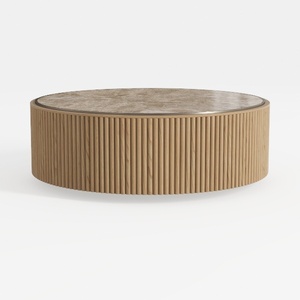
Modern Fluted Solid Wood Marble Top Round Coffee Table 3D Model

Minimalist Solid Oak Round Coffee Table 3D Model

Minimalist Solid Wood Round Side Table Unique Hourglass Shape 3D Model
Homestyler offers an easy-to-use online home design tool with stunning 3D renderings, inspiring design projects, and helpful DIY video tutorials—perfect for turning your interior design ideas into reality effortlessly.
Design Now for FREE