Home Fitness Space Design
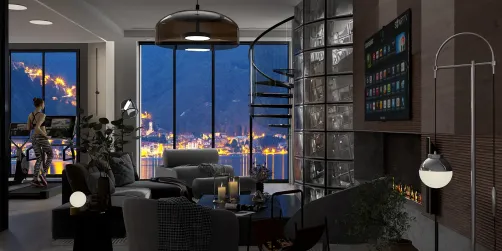
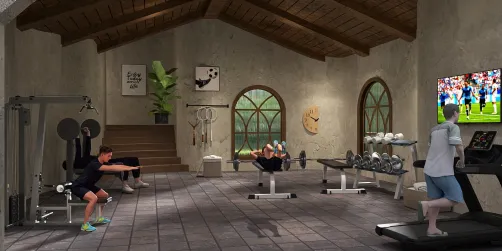
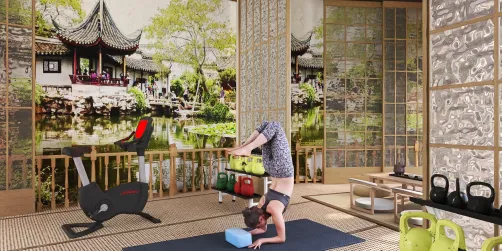
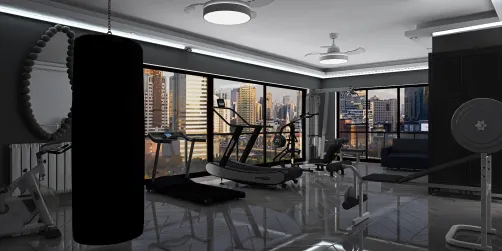
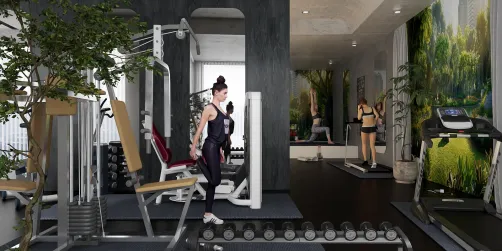
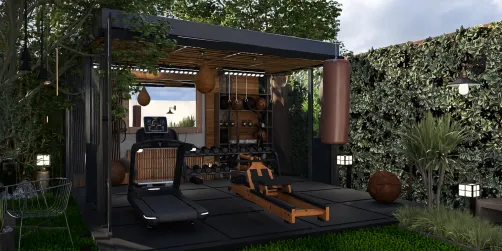
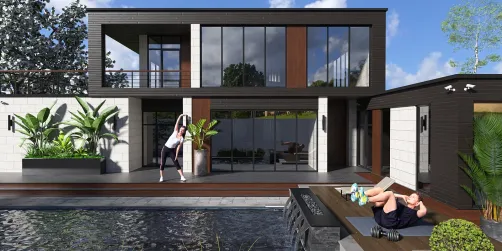
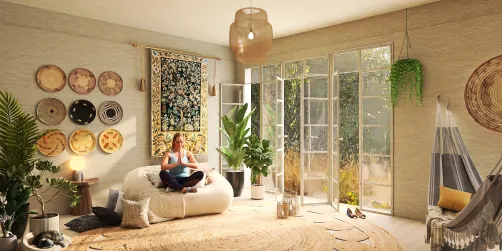
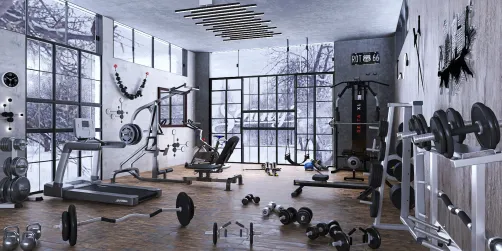
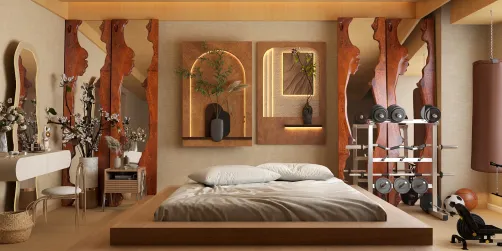
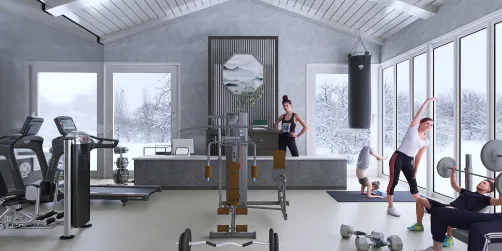
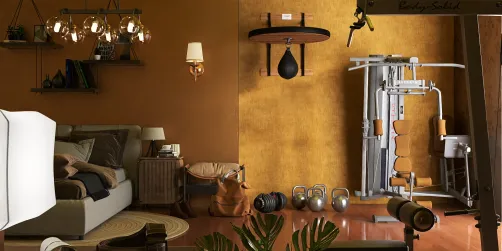
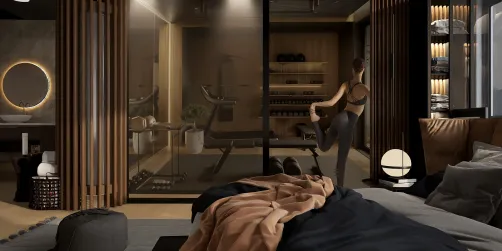
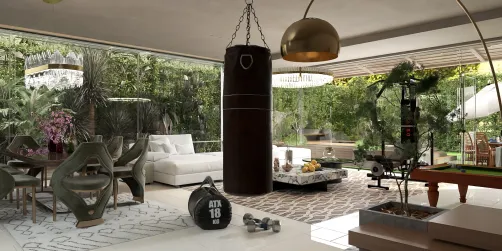
The 'Home Fitness Space Design' scenario refers to the intentional integration of fitness functionality into everyday residential interiors—without sacrificing aesthetics, comfort, or spatial efficiency. Unlike standalone gyms or cluttered corner setups, this design approach treats fitness as a natural extension of domestic life: yoga unfolds beside the bed, resistance training shares space with a reading nook, and compact cardio equipment doubles as sculptural furniture. Drawing from the contest's core philosophy—'turning gear into furniture'—this scene emphasizes multi-functionality, visual harmony, and human-centered spatial planning. It spans diverse contexts: bedroom-embedded studios (e.g., glass-partitioned zones), living room hybrids, balcony conversions, and even dining-area integrations—always prioritizing real-time adaptability via tools like Homestyler’s AI-powered 3D rendering and smart furniture layout.
Design Challenges and Common Pitfalls
Home fitness spaces face three recurring challenges: (1) Spatial conflict—fitness equipment competes with primary functions (sleeping, socializing, storage), especially in small apartments; (2) Visual dissonance—industrial-grade machines clash with residential finishes, breaking stylistic continuity; (3) Behavioral friction—poorly located or exposed gear discourages consistent use due to lack of privacy, noise concerns, or perceived 'intrusion' into relaxation zones. Many designers default to 'zone segregation' (e.g., folding walls or hidden cabinets), but top-performing entries instead solved these through intelligent indoor space planning—leveraging vertical storage, dual-purpose furnishings, and context-aware material palettes—all testable and refined using Homestyler Design Techniques.
✅ Multi-Functional Zoning
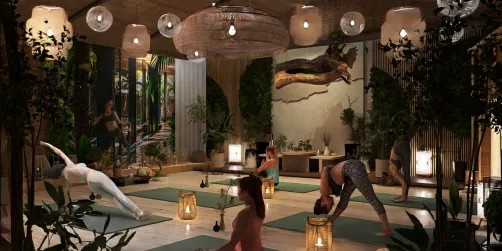
Define activity zones not by fixed walls—but by layered, overlapping functions. A single footprint may serve as sleeping area by night, yoga zone at dawn, and strength-training station midday—enabled by retractable mats, wall-mounted racks, and furniture with integrated resistance bands or fold-down bars. Prioritize flow over rigidity: ensure clear circulation paths between workout motions and daily routines.

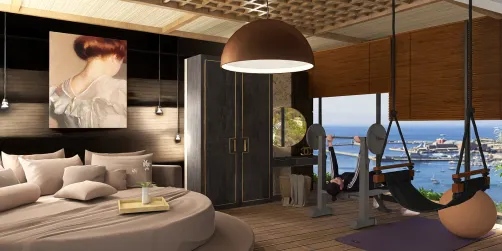
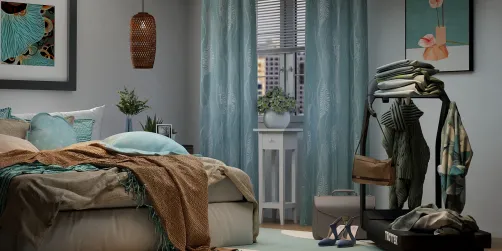
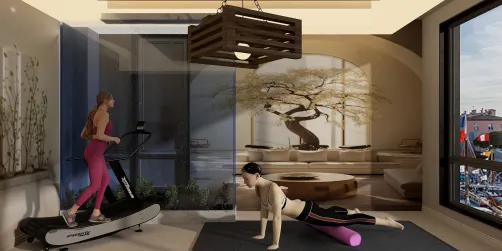
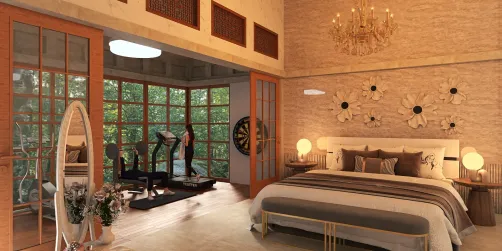
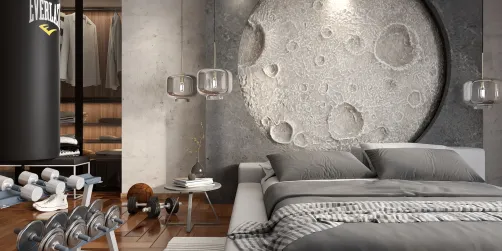
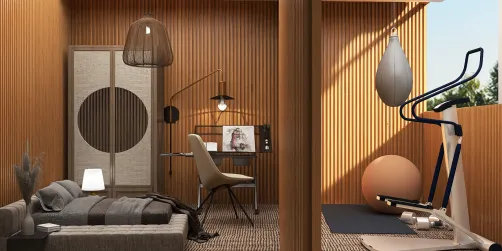
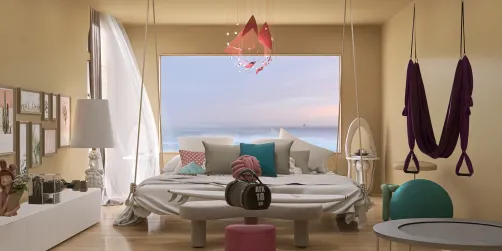
Anna Tallian’s 'Fitness in the Bedroom' demonstrates seamless multi-functional zoning: her design places a low-profile yoga mat adjacent to the bed, flanked by minimalist floating shelves that hold resistance tubes and meditation cushions—no visual hierarchy separates rest from movement. Using Homestyler Design Techniques, she simulated daylight transitions and user movement paths to validate spatial comfort, proving how indoor space planning can dissolve functional boundaries without compromising serenity.
Start Free Design🎨 Style-Integrated Equipment
Treat fitness gear as curated interior objects—not utilitarian intruders. Select equipment with clean lines, neutral finishes (matte black, warm wood, soft-touch white), and proportions compatible with residential scale. Integrate pieces into built-ins (e.g., weight racks disguised as bookshelves) or pair them with complementary textiles, lighting, and greenery to reinforce cohesion. This strategy elevates perceived value and encourages long-term behavioral adoption.

Sevenseas 96’s 'Fitness Embedded Home' applies style-integrated equipment masterfully: sleek white dumbbells rest atop a marble-topped console styled like a boutique hotel lobby; a suspended yoga swing blends with pendant lighting; and mirrored panels double as both full-body feedback surfaces and reflective art elements. Leveraging Homestyler’s real-time 3D rendering, she iterated material textures and light bounce angles to ensure equipment felt intentionally placed—not tacked on—validating how indoor space planning must serve both ergonomics and aesthetic narrative.
Begin Your Free Design🌬️ Human-Centered Ergonomics & Privacy
Respect physiological and psychological needs: provide adequate ceiling height for overhead motions, non-slip flooring with acoustic dampening, and sightline control (e.g., frosted glass partitions, strategic plant screens, or angled mirrors). Privacy isn’t just visual—it’s auditory and temporal. Design for quiet operation (rubberized weights, silent treadmills) and flexible visibility (retractable curtains, bi-fold doors) so users feel empowered—not exposed—during practice.

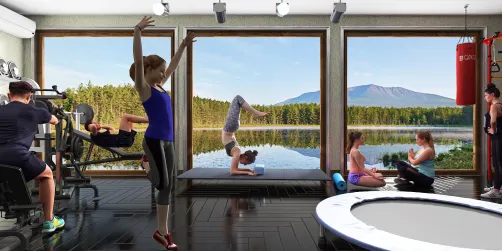
FLOWER amri’s unnamed entry uses human-centered ergonomics to transform a compact bedroom: a floor-to-ceiling bamboo screen slides open to reveal a wall-mounted pull-up bar and resistance band anchor—closed, it reads as a serene accent wall. Natural light floods the zone via large windows, while acoustic panels disguised as woven wall art absorb impact noise. Through Homestyler’s smart furniture layout feature, she tested 12 configurations for optimal motion radius and glare reduction—showcasing how advanced indoor space planning anticipates real-life usage patterns, not just static aesthetics.
Launch Free DesignFAQ
Q: How do I choose between converting a bedroom corner vs. a living room section for fitness—without making the space feel cramped?
Use Homestyler’s real-time 3D rendering to simulate both layouts at human scale. Measure minimum clearance for your most-used equipment (e.g., 6ft x 6ft for yoga, 8ft x 4ft for rowing), then overlay those footprints onto your floor plan. Prioritize the zone with best natural light, ventilation, and distance from shared sleeping areas—this is where indoor space planning directly impacts long-term habit sustainability.
Q: Can I integrate heavy equipment like squat racks in an apartment without structural reinforcement?
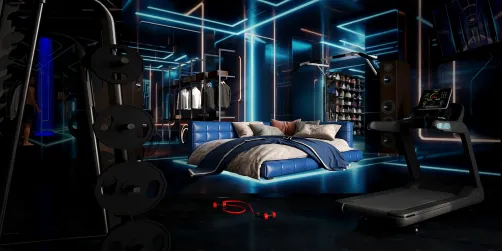
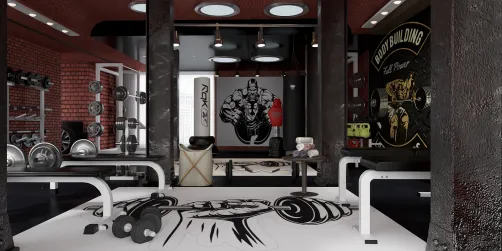
Absolutely—if you use wall-mounted or fold-down systems anchored to studs (not drywall). Top designs like Tora Luke’s 'Pump some Iron' avoid floor load entirely by suspending rigs from ceiling joists and pairing them with rubberized platforms. Always verify mounting points in Homestyler’s structural layer before finalizing.
Q: What Homestyler Design Techniques help me balance aesthetics and function when clients dislike visible equipment?
Leverage the ‘Smart Furniture Layout’ tool to auto-generate concealed storage solutions (e.g., ottomans with weight-storage compartments, bed frames with pull-out resistance bands). Then apply the ‘Style Match’ AI to recolor equipment to match existing finishes—turning black kettlebells into walnut-toned sculptural objects. This fusion of indoor space planning and AI styling bridges client expectations with practical fitness needs.
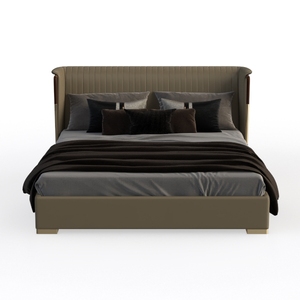
Modern Luxury Leather Upholstered Wingback Platform Bed 3D Model

Modern Two Tone Wood Marble Top Nightstand 3D Model
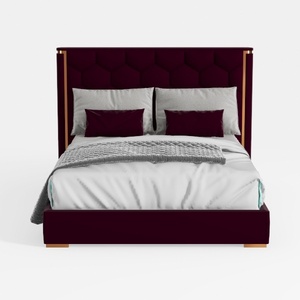

Burgundy Velvet Gold Trim Modern Upholstered Bed 3D Model
Homestyler offers an easy-to-use online home design tool with stunning 3D renderings, inspiring design projects, and helpful video tutorials—perfect for bringing your interior decoration ideas to life effortlessly.
Design jetzt kostenlos