Home Fitness Space Design
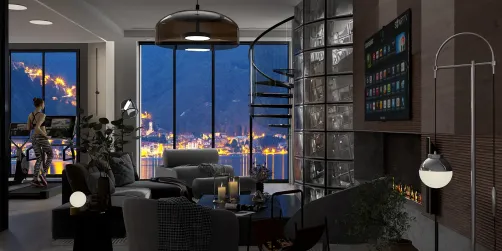
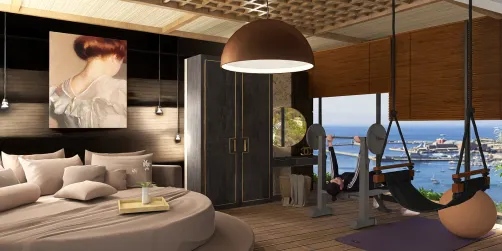
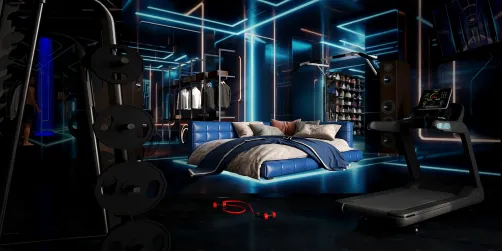
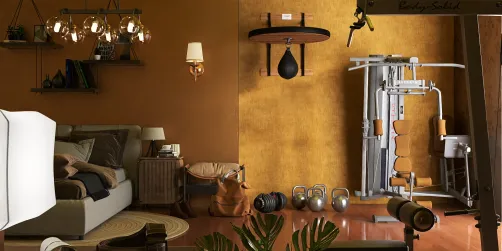
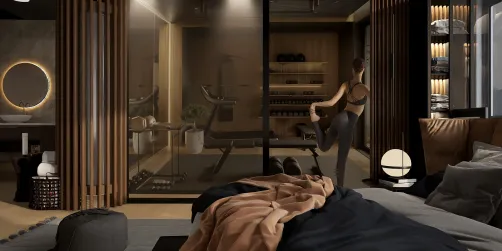
The 'Home Fitness Space Design' scenario refers to the intentional integration of fitness functionality into residential interior environments—not as a separate, isolated room, but as a harmonious, aesthetically cohesive extension of daily living spaces. Drawing from the contest theme 'Fitness-Embedded Home for APP', this design context emphasizes transforming underutilized corners (e.g., balconies, bedroom nooks, living room perimeters, or even outdoor patios) into flexible, wellness-oriented zones. Key characteristics include multi-functional furniture that doubles as equipment (e.g., yoga-ready ottomans, resistance-band-integrated shelving), spatial fluidity between activity and rest, biophilic elements (greenery, natural light), and intelligent indoor-outdoor connectivity—enabled by tools like Homestyler’s real-time 3D rendering for precise indoor space planning and visual validation.
Design Challenges & Common Pitfalls
Common challenges include spatial conflict (fitness gear vs. livability), visual clutter from exposed equipment, poor ergonomics due to cramped layouts, inadequate ventilation or acoustics for high-intensity use, and difficulty maintaining aesthetic continuity with adjacent rooms. Many designers also underestimate structural considerations—such as floor load capacity for weight racks—or fail to plan for cable management, mirror placement, or safe movement radii—leading to compromised safety and user experience. Effective indoor space planning must resolve these holistically, not just decoratively.
✅ Prioritize Multi-Functional Zoning
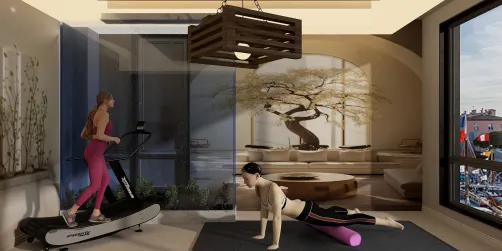
Treat fitness areas not as dedicated 'gyms', but as adaptable zones that support multiple activities (yoga, strength training, stretching, recovery) without visual or physical dominance. Use modular, low-profile equipment (foldable treadmills, wall-mounted resistance systems) and furniture with dual purpose—e.g., storage benches with built-in dumbbell racks or mirrored cabinets that conceal gear. This approach maximizes utility while preserving openness—critical for small-space interior space planning.

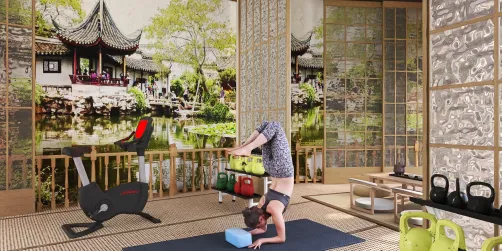
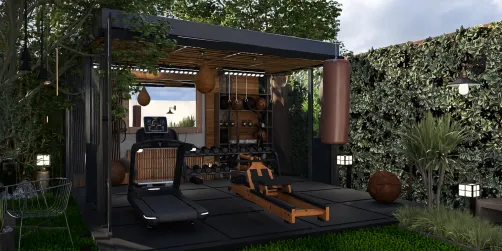
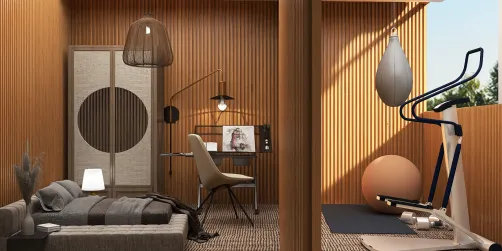
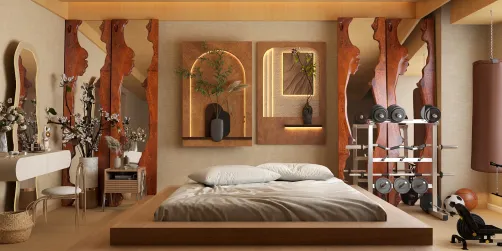
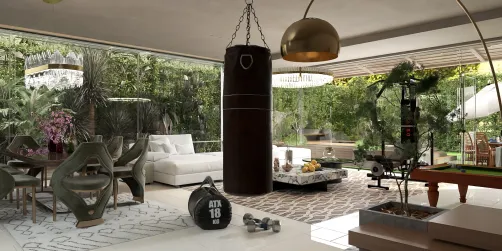
Monica A.V. Design’s 'F.E. H. III' demonstrates this principle masterfully: she embeds a rowing machine and free-weight station within an open-air patio zone, flanked by potted plants and recessed lighting—blurring the line between workout and relaxation space. Using Homestyler Design Tips, she simulated sun-path and equipment footprint in real time to ensure unobstructed movement flow and optimal daylight exposure—proving how AI-powered indoor space planning enables confident, human-centered zoning.
Design Your Fitness Zone🌿 Integrate Biophilia & Sensory Calm
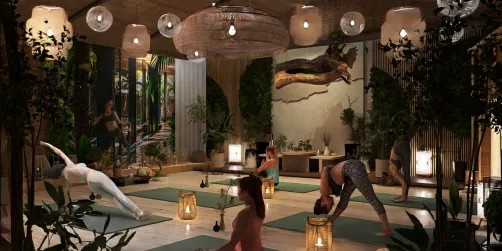
Wellness-driven spaces thrive on sensory harmony: natural light, airflow, organic textures, and living greenery reduce perceived exertion and enhance motivation. Avoid sterile, clinical aesthetics. Instead, layer tactile materials (wood accents, cork flooring, linen drapery), install large windows or glass partitions for visual expansion, and incorporate vertical gardens or low-maintenance planters—even in compact footprints. This supports both physiological recovery and psychological ease, aligning with holistic Homestyler design techniques for wellness-focused interiors.

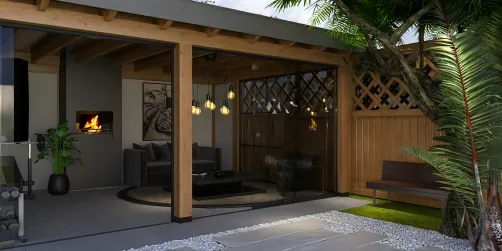
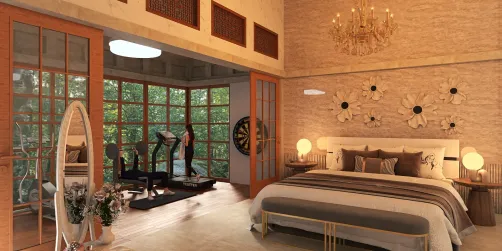
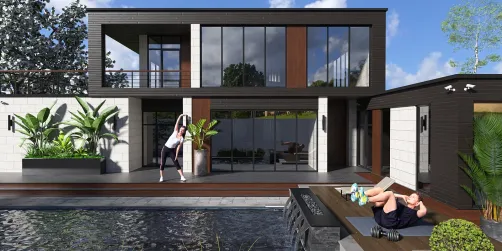
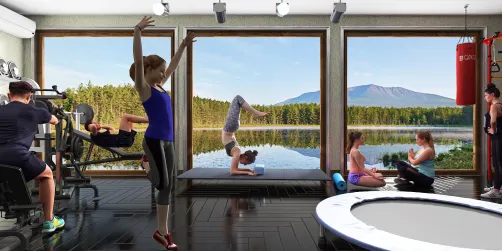
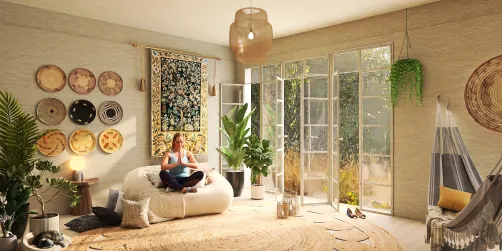
Michele McAnulty’s 'She Shed' applies biophilic calm through expansive glass doors, warm wood beams, and curated greenery—all arranged to invite airflow and daylight deep into the zone. Leveraging Homestyler’s AR virtual furniture placement, she tested multiple glazing configurations and plant placements to optimize thermal comfort and visual serenity—showcasing how Homestyler Design Tips empower evidence-based, sensorially intelligent interior space planning.
Start Outdoor Fitness Design📐 Optimize Ergonomics via Real-Time Spatial Simulation
Ergonomic integrity is non-negotiable: every fitness zone requires minimum clear floor space (e.g., 6 ft × 6 ft for mat-based routines, 8 ft × 10 ft for dynamic cardio), safe ceiling height for overhead movements, and strategic mirror placement for form feedback. Rather than relying on static blueprints, use real-time 3D simulation to walk through motion paths, test sightlines, validate clearance zones, and adjust layout iteratively—ensuring safety, usability, and long-term adherence.

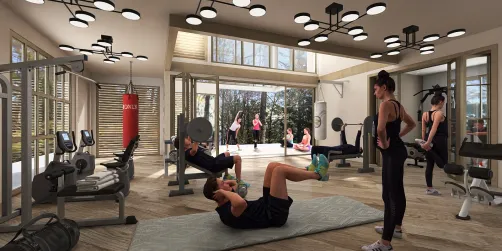
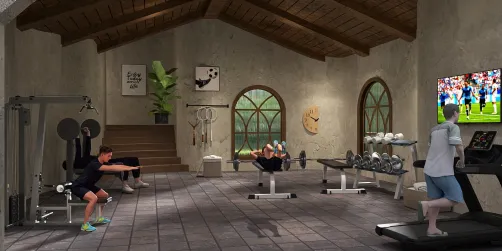
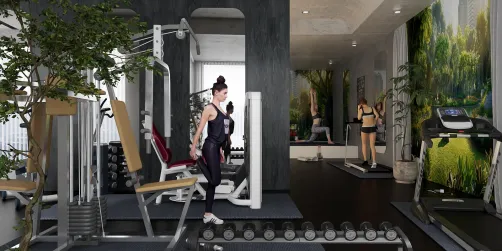
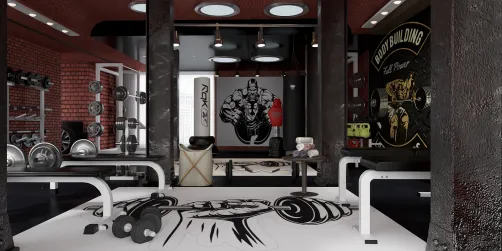
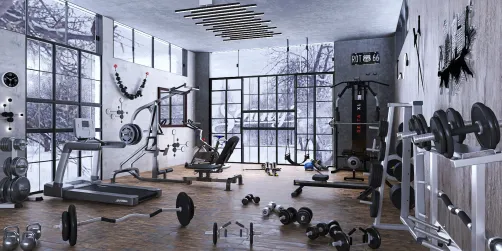
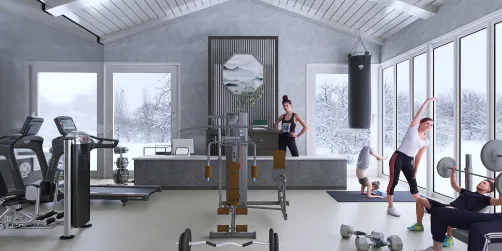
Nory Garcia’s 'Home Gym' exemplifies ergonomic precision: free weights are positioned along a wall-mounted rack with ample circulation radius, while the central mat zone is fully unobstructed and aligned with a full-height mirror for real-time posture correction. She used Homestyler’s real-time 3D rendering to simulate squat depth, overhead press range, and lateral reach—validating each element before finalizing the layout. This reflects advanced Homestyler Design Tips for functional, injury-preventive interior space planning.
Begin Relaxation SpaceFAQ
Q: How can I fit a functional home fitness zone into a studio apartment under 40 m²?
Use vertical storage (wall-mounted pull-up bars + fold-down benches), convertible furniture (sofa beds with hidden resistance bands), and mirrored walls to visually expand space. Prioritize one core activity (e.g., yoga + light resistance) over bulky cardio machines—and always simulate traffic flow in Homestyler first.
Q: Do I need structural reinforcement for installing a home squat rack or wall-mounted rig?
Yes—especially for rigs anchored to drywall or ceilings. Always consult a structural engineer and verify stud/joist locations using Homestyler’s measurement overlay tools. Never assume standard residential framing supports >150 kg dynamic loads.
Q: Can Homestyler help me choose the right flooring for noise reduction and joint safety?
Absolutely. Upload your floor plan, then test different material layers (e.g., rubber underlayment + engineered hardwood vs. interlocking foam tiles) using Homestyler’s real-time acoustic & impact simulation presets—ideal for urban apartments where noise transmission matters.
Q: What’s the most common mistake when designing a balcony fitness space?
Ignoring weather resilience and microclimate. Unprotected equipment degrades fast. Instead, use UV-resistant, rust-proof fixtures, add retractable awnings or pergolas, and integrate drainage-aware flooring. Homestyler Design Tips include climate-specific rendering filters to preview seasonal sun/shade patterns and rain runoff flow.
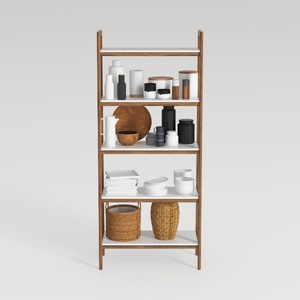
Modern Solid Wood Open Bookshelf Storage Shelving Unit 3D Model

Modern Metal Solid Wood Freestanding Kitchen Storage Shelving Rack 3D Model


Minimalist Solid Oak Wall Mounted Bookshelf Display Tray 3D Model
Homestyler offers an easy-to-use online design tool, stunning 3D renderings, and a vast collection of interior projects. With helpful DIY video tutorials, it's perfect for anyone wanting to create and visualize beautiful home designs effortlessly.
Desain sekarang Gratis