Dimensional Living Space Design
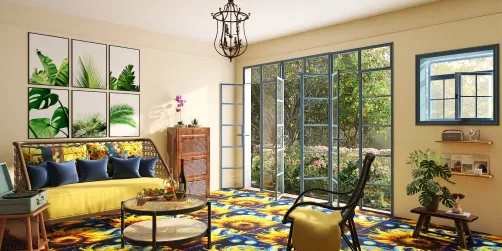
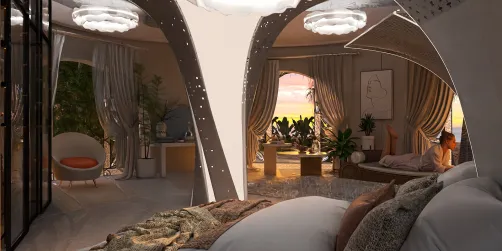
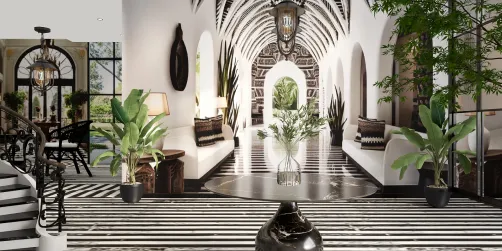
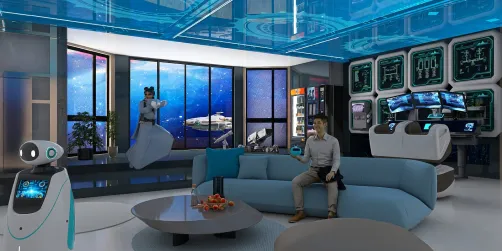
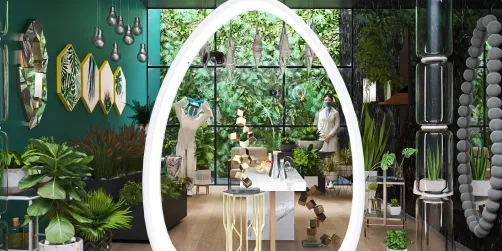
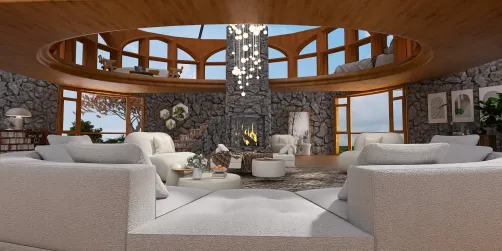
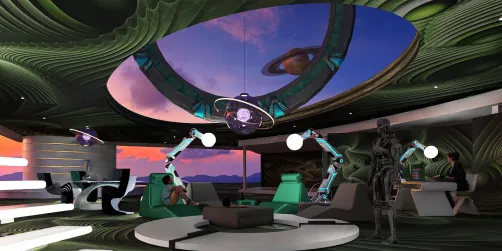
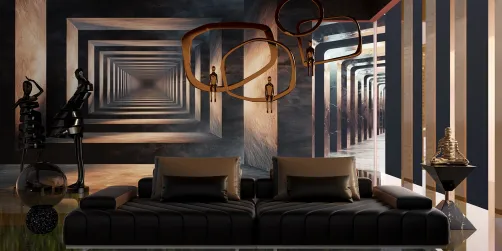
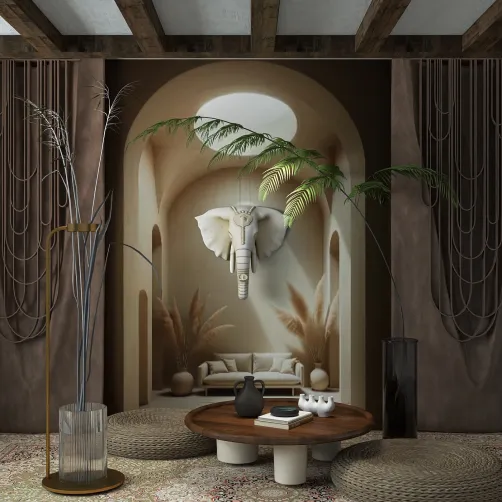
The 'Dimensional Living Space' refers to an interior design approach that transcends conventional spatial boundaries—leveraging light, perspective, layered materials, AR-integrated furniture placement, and immersive 3D rendering to create environments that feel expansive, dynamic, and multi-sensory. Inspired by the Homestyler 'Dimensional Space for APP' contest, this concept embraces both physical layout intelligence and digital augmentation (e.g., real-time virtual staging, sci-fi portals, or dimensional lighting effects) to transform ordinary rooms into experiential zones—whether a lounge with vibrant chromatic gradients, a library with volumetric shelving depth, or a cottage with narrative-driven exterior storytelling.
Design Challenges & Common Pitfalls
Designers often struggle with visual overcrowding when layering dimensional elements—such as mixing strong perspective lines, competing lighting sources, and high-contrast textures without hierarchy. Other frequent issues include poor scale calibration in AR furniture previews, underutilized vertical space in volumetric layouts, and difficulty balancing futuristic aesthetics with functional livability. Additionally, cross-cultural interpretation of 'dimensionality' (e.g., German precision vs. Ukrainian narrative grandeur vs. Mexican warmth) adds complexity to universal design guidelines.
✅ Prioritize Spatial Layering & Visual Depth
Use tiered furniture heights, staggered wall treatments (e.g., recessed niches + floating shelves), and strategic foreground/midground/background object placement to enhance perceived volume—even in compact footprints. Avoid flat, single-plane arrangements; instead, build depth through material transitions (matte to glossy), shadow play, and parallax-aligned decor.

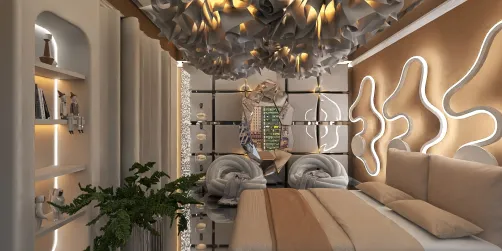
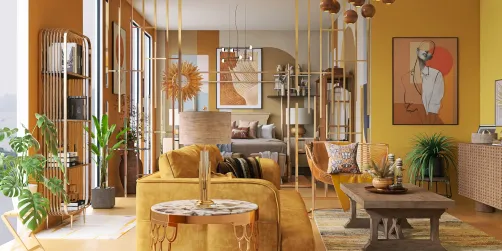
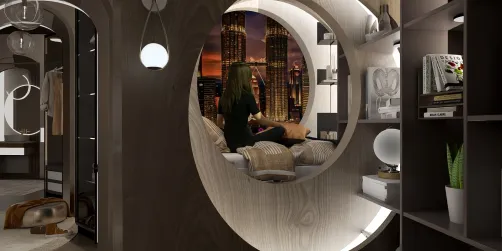
Sonia Interior Decor’s design exemplifies spatial layering: she positions a low-profile sofa in the foreground, a sculptural coffee table mid-ground, and a tall, textured bookshelf with integrated lighting in the background—all rendered in Homestyler v4 with precise depth cues. Her use of real-time 3D rendering allows clients to instantly visualize how furniture placement affects perceived room volume—an essential Homestyler design technique for effective indoor space planning.
Start Your Free Design💡 Harness Light as a Dimensional Tool
Light isn’t just illumination—it’s a spatial architect. Use directional lighting (spotlights, linear LEDs), color temperature shifts (warm ambient + cool accent), and reflective surfaces to carve out zones, extend sightlines, and simulate infinite depth. Integrate AR-enabled lighting previews in Homestyler to test dynamic effects before installation.

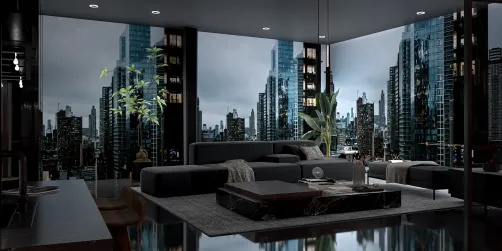
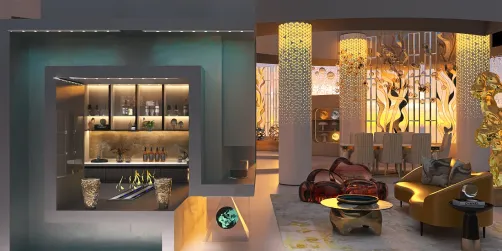
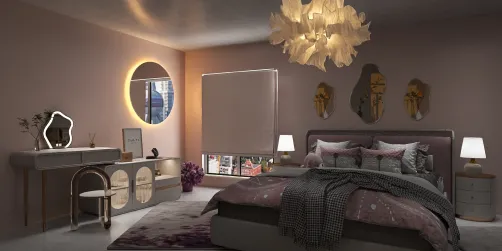
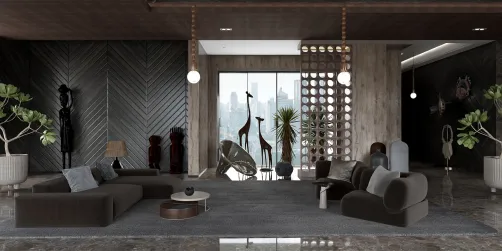
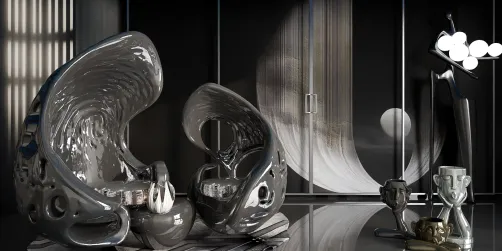
Shalima Mohammed Thomas employs monochromatic restraint and precisely angled downlights to cast dramatic shadows across sculptural chairs—turning light itself into a dimensional element. Using Homestyler’s v4 real-time rendering, she simulated how evening lighting transforms the space from minimalist to immersive, demonstrating advanced Homestyler design techniques for indoor space planning where ambiance defines dimensionality.
Begin Free Design Now🌿 Anchor with Narrative & Contextual Storytelling
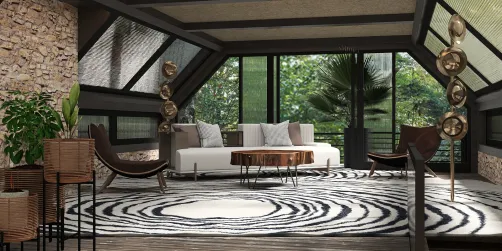
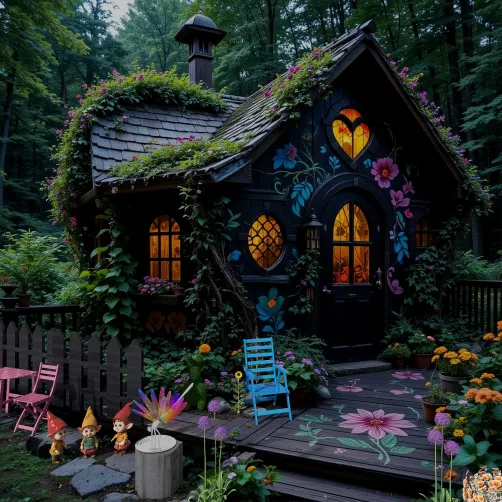
Every dimensional space benefits from an underlying story—be it a sci-fi portal corridor, a forest-inspired library, or a fairy-tale cottage garden. Embed contextual motifs (materials, textures, symbolic objects) that reinforce spatial identity and emotional resonance. This narrative layer helps users mentally ‘enter’ the dimension—not just occupy the room.

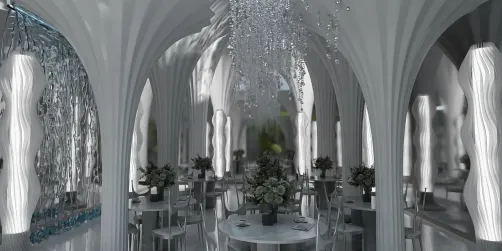
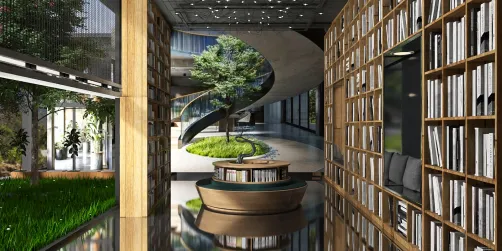
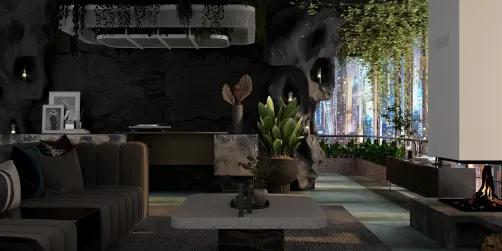
Оля Литвиненко’s 'Городская библиотека' (City Library) tells a story of intellectual grandeur and quiet contemplation: the towering chandelier acts as a celestial anchor, while asymmetrical wooden shelves recede into soft-focus depth—rendered flawlessly in Homestyler v4. Her design leverages Homestyler’s 3D rendering not only for visualization but also for client storytelling, making abstract indoor space planning tangible and emotionally engaging.
Create Your Free DesignFAQ
Q: How does Homestyler support dimensional interior design beyond basic 3D modeling?
Homestyler enables AR virtual furniture placement, real-time lighting simulation, perspective-adjusted material mapping, and contest-integrated voting analytics—all critical for testing dimensional concepts before execution.
Q: Can dimensional design principles work in small apartments?
Absolutely. Techniques like vertical layering, mirror-integrated depth cues, and focused accent lighting (all testable via Homestyler design tools) make even micro-spaces feel volumetrically rich.
Q: What’s the most common mistake when applying 'dimensional' aesthetics?
Overloading visual stimuli—e.g., combining forced perspective flooring, neon outlines, holographic textures, and animated UI elements simultaneously. Dimensionality thrives on curated contrast, not chaos. Use Homestyler’s preview mode to isolate one dimensional layer at a time.
Q: How do top contest winners use Homestyler for indoor space planning?
Winners like Ralf Röbkes (Top 1) and Teresa Martin (Top 6) leverage Homestyler’s toolLimits=[2] constraint to focus on two core dimensional levers—e.g., light + geometry—ensuring clarity, scalability, and client-ready indoor space planning outcomes.
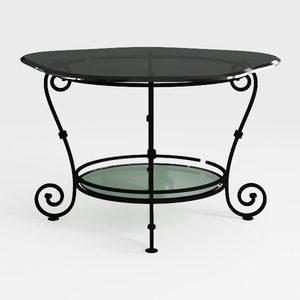
Vintage Metal Glass Two Tiered Scrollwork Coffee Table 3D Model
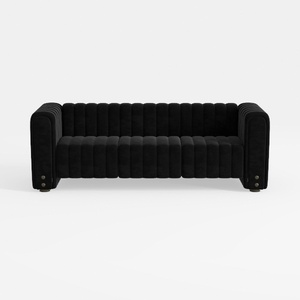
Modern Black Velvet Channel Tufted Sofa 3D Model

Minimalist Black Solid Wood Double Shelf Coffee Table 3D Model
Homestyler offers an easy-to-use online design tool with stunning 3D renderings and a vast collection of interior design projects. It also provides helpful DIY video tutorials, making it ideal for anyone looking to create and visualize their dream home effortlessly.
Diseño ahora GRATIS