Plant-Aesthetic Living Space Design
The 'Plant-Aesthetic Living Space' is a contemporary interior design scenario where indoor plants are not merely decorative accents—but active, evolving design elements integrated into spatial planning, furniture selection, lighting strategy, and material palette. Inspired by the Homestyler 'Plant Aesthetic Space for APP' contest, this scene transcends traditional greenery placement: it treats flora as structural collaborators—softening architectural lines, defining zones, modulating acoustics, and enhancing biophilic well-being. It applies across living rooms, balconies, open-plan lounges, and hybrid indoor-outdoor zones, prioritizing real-time 3D visualization (via Homestyler’s rendering engine) to test plant scale, light interaction, and circulation flow before implementation.
Design Challenges and Common Pitfalls
Designing plant-aesthetic spaces introduces unique challenges: selecting species that thrive indoors under variable light and humidity; avoiding overcrowding that compromises circulation or visual clarity; balancing botanical density with furniture functionality and maintenance access; and ensuring long-term scalability as plants mature. Many designers underestimate root space, irrigation integration, or seasonal foliage changes—leading to layouts that look stunning in early renders but become impractical within months. Poorly planned plant placement can also obstruct natural light paths, reduce perceived room volume, or clash with color schemes and textures.
🌱 Prioritize Plant-Centric Spatial Zoning
Rather than adding plants *after* layout completion, begin with plant placement as a foundational layer of interior space planning. Assign functional 'green zones'—e.g., a vertical garden wall for acoustic buffering behind a sofa, hanging plant clusters above dining areas to define intimacy without physical barriers, or low-growing succulents along window sills to reinforce daylight harvesting. This approach transforms plants from accessories into spatial organizers—enhancing both aesthetic rhythm and human-centered ergonomics.

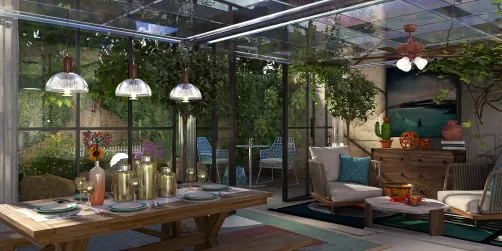
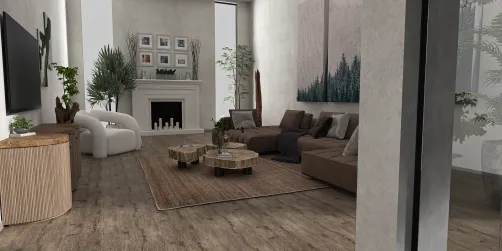
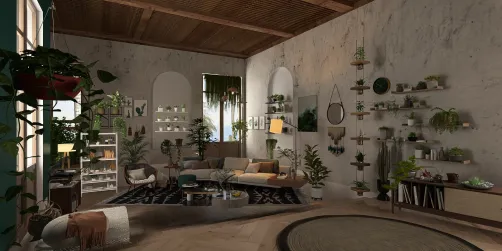
Sylvia Preis 😊😊😊😊😊😊’s 'design-ideas-mobile' layout exemplifies plant-centric zoning: she positions tall fiddle-leaf figs beside floor-to-ceiling windows to frame views *and* anchor the seating zone, while trailing pothos cascade from floating shelves—softening shelf edges and visually connecting upper and lower volumes. Using Homestyler AI design tools, she simulated sun-path shadows across hours, adjusting plant height and leaf density to preserve daytime brightness—a masterclass in integrating biophilic elements into core interior space planning.
Start Designing Free🌿 Harmonize Botanical Scale with Furniture Proportions
Scale harmony prevents visual chaos: large-leaved plants (e.g., monstera, rubber trees) should anchor spacious zones or flank architectural features; medium shrubs (e.g., ZZ plants, snake plants) suit side tables or console surfaces; delicate vines or air plants complement shelves and wall-mounted planters. Always consider mature size—not nursery dimensions—and maintain proportional balance between plant height/width and adjacent furniture (e.g., a 5-ft plant beside a 3-ft sofa creates dynamic contrast; beside a 6-ft sectional, it feels undersized).

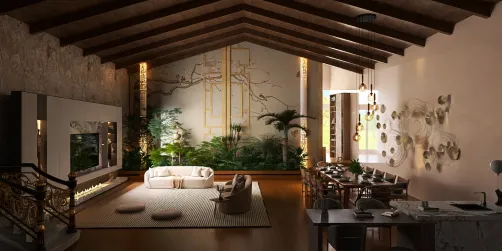
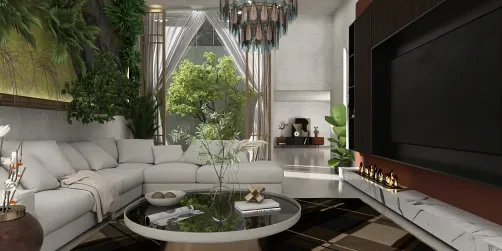
glacimussi Mussi’s 'Plantas fazem toda diferença ! Trazem mais vida!' demonstrates precise botanical scaling: a sculptural fiddle-leaf fig (approx. 1.8m tall) stands symmetrically beside an orange L-shaped sectional—its broad leaves echoing the sofa’s horizontal expanse without overwhelming it. Smaller calatheas nestle on matching side tables, their compact form reinforcing rhythm. Via Homestyler’s drag-and-drop scaling tool, she iterated three plant-height variants in real time to confirm optimal visual weight—proving how Homestyler design techniques support confident, proportion-driven indoor space planning.
Design Your Green Space☀️ Optimize Light Flow Through Strategic Plant Layering
Light is the invisible architecture of plant-aesthetic spaces. Use layered planting—tall canopy plants (upper layer), mid-height shrubs (middle), and ground-cover or trailing varieties (lower)—to diffuse, filter, and reflect natural light without blocking it. Avoid dense top-heavy arrangements near primary windows; instead, position translucent-leafed species (e.g., prayer plants, ferns) in sun-drenched zones and shade-tolerant types (e.g., ZZ, cast iron) in corners. This layering enhances depth perception and supports healthy plant growth—key to sustainable interior space planning.

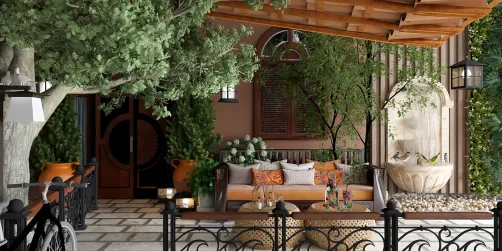
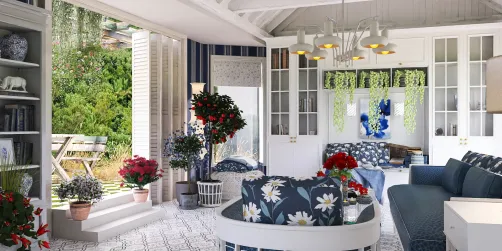
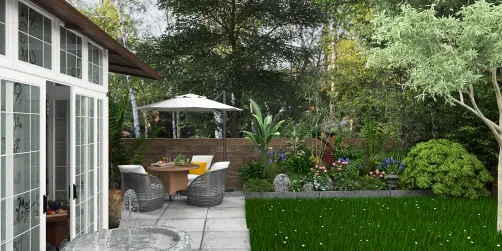
Certainly💘 Sharon🙋’s 'Chilling on the Weekend in the Garden' leverages strategic light layering: a tall Areca palm filters direct afternoon sun near sliding glass doors, while variegated spider plants hang at eye level—catching and scattering light onto a white-painted accent wall. Below, creeping jennies spill over a water fountain’s edge, reflecting ambient glow upward. Using Homestyler’s real-time lighting simulation, she adjusted plant opacity and leaf density to fine-tune luminance distribution—showcasing how advanced Homestyler design techniques empower precision light management in biophilic interior space planning.
Create Cozy Green RoomFAQ
Q: How do I choose the right plants for small apartments with limited natural light?
Use low-light tolerant species like ZZ plants, snake plants, or Chinese evergreens—and prioritize vertical growth (e.g., pothos on wall-mounted planters) to preserve floor space. Homestyler’s 3D preview helps test how different foliage densities affect perceived brightness in tight interiors.
Q: Can I integrate real irrigation systems into my Homestyler plant-aesthetic renderings?
While Homestyler doesn’t model plumbing physics, its library includes realistic drip-irrigation pots, self-watering planters, and hidden reservoir units. Place them strategically during interior space planning to signal maintenance feasibility to clients.
Q: Do plant-aesthetic designs work for rental properties where drilling or permanent fixtures aren’t allowed?
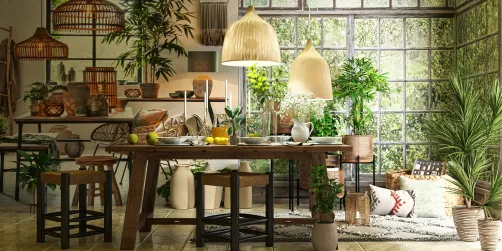
Absolutely—focus on freestanding plant stands, modular wall grids, weighted ceramic planters, and hanging macramé systems. Top contest entries (e.g., 'Balcone' by Patrizia Diana Rocco) prove high-impact greenery needs zero renovation—just smart indoor space planning.
Q: How does Homestyler AI help me avoid overplanting in a living room layout?
Homestyler’s real-time collision detection and scale-adjustment sliders let you instantly visualize mature plant dimensions against furniture and walkways. Combine this with its 'view from sofa' or 'entry perspective' camera modes to audit sightlines and spatial comfort—core Homestyler design techniques for balanced biophilic interiors.
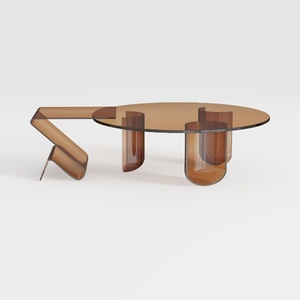
Modern Minimalist Amber Acrylic Glass Coffee Table 3D Model

Minimalist Brown Leather L-shaped Sectional Sofa 3D Model
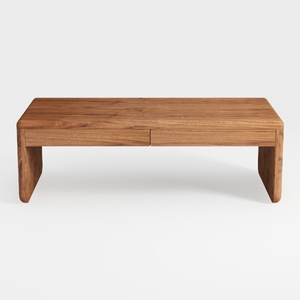
Minimalist Solid Wood Two Drawer Coffee Table 3D Model
Homestyler offers an easy-to-use online design tool packed with stunning 3D renderings, inspiring interior projects, and helpful DIY video tutorials. It’s perfect for anyone wanting to create beautiful home designs quickly and confidently. Give your space a fresh look today!
Design Now for FREE