Biophilic Living Space Design
The 'Biophilic Living Space' refers to an interior environment intentionally designed to strengthen the human-nature connection through strategic integration of live plants, natural materials, organic forms, abundant daylight, and nature-inspired textures and colors. Unlike traditional decorative use of greenery, this scene treats plants as dynamic, evolving design elements—functional partitions, living art installations, or structural accents—that coexist with furniture and architecture. It spans living rooms, balconies, dining areas, and even transitional zones like stairwells, emphasizing spatial wellness, sensory richness, and real-time adaptability—especially when visualized and iterated using Homestyler’s AI-powered 3D rendering tools.
Design Challenges & Common Pitfalls
Key challenges include balancing plant density with functional circulation, ensuring adequate light and airflow for diverse species without compromising aesthetic cohesion, avoiding visual clutter from mismatched pot styles or inconsistent foliage scales, and maintaining year-round vibrancy across seasonal growth cycles. Many designers also underestimate structural load limits for hanging planters or fail to plan irrigation access—critical oversights in real-world implementation. Effective indoor space planning must therefore integrate horticultural logic alongside spatial ergonomics and stylistic intent.
🌱 Prioritize Layered Greenery & Spatial Zoning
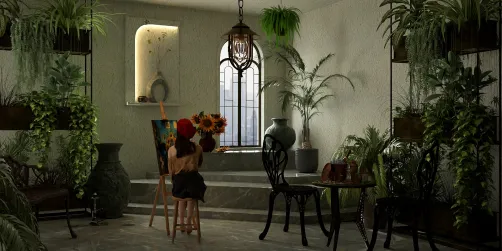
Avoid flat, monolithic plant walls. Instead, create depth using vertical layers (hanging vines + mid-height shrubs + ground-level planters) and define functional zones—e.g., a reading nook framed by trailing pothos, or a dining zone elevated by sculptural fiddle-leaf figs. This enhances perceived spaciousness and supports intuitive indoor space planning.

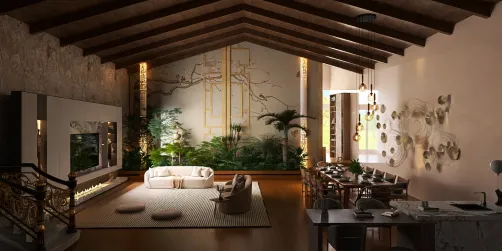
Sunshine Princess’s 'Serenity’s Bedroom' masterfully applies layered greenery: cascading ivy on the staircase balustrade adds vertical rhythm, while potted snake plants flank the bed to anchor the sleeping zone—creating clear spatial hierarchy without walls. Using Homestyler design tools, she simulated natural light angles across time-of-day presets, validating plant viability before finalizing layout—a hallmark of data-informed biophilic interior space planning.
Start Designing Now🌿 Curate Plant-Furniture Synergy, Not Just Placement
Treat plants as active design partners—not static props. Match leaf scale, texture, and growth habit to adjacent furniture: large-leaved monstera beside low-slung sofas; feathery ferns under glass-top coffee tables; air plants mounted on timber shelving. This harmony reinforces material continuity and elevates tactile storytelling in the space.

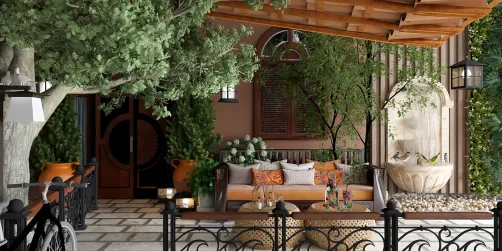
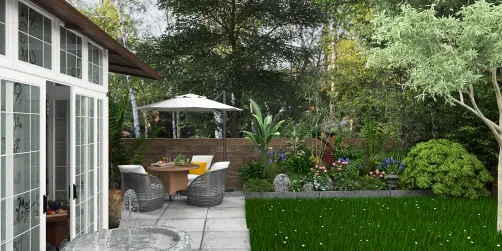
Certainly💘 Sharon🙋’s 'Chilling on the Weekend in the Garden' demonstrates intentional plant-furniture synergy: broad-leaf philodendrons echo the curved silhouette of the lounge sofa, while slender bamboo stems mirror the linear metal frame of the water fountain. Leveraging Homestyler’s AI design tools, she tested over 12 plant variants in real-time against material swatches—ensuring chromatic and textural alignment before rendering the final tropical biophilic composition.
Design Your Tropical Space☀️ Maximize Natural Light Integration & Visual Flow
Light is the invisible architect of biophilic spaces. Strategically position plants to filter, diffuse, or reflect daylight—e.g., tall areca palms near windows to soften glare, or variegated calatheas on east-facing ledges to catch morning light. Maintain unbroken sightlines between key green elements to guide the eye and reinforce spatial continuity.

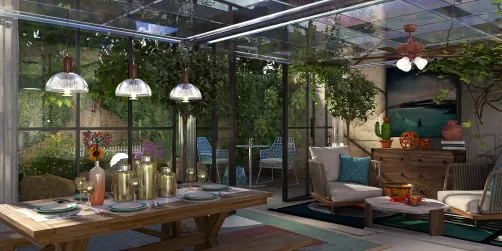
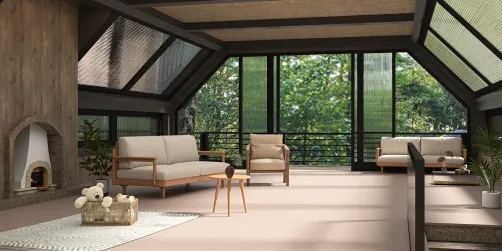
Daniela Schanglies’ unnamed biophilic living room uses light as a design layer: suspended string-of-pearls above the sofa cast delicate shadows that shift with sun angle, while floor-to-ceiling dracaenas beside sliding glass doors act as living light filters—enhancing privacy without blocking views. With Homestyler design tools, she ran dynamic sunlight simulations across seasons, adjusting plant heights and pot placements to maintain optimal photosynthetic exposure—showcasing advanced Homestyler design techniques for responsive indoor space planning.
Create Your Green OasisFAQ
Q: How do I choose the right plants for low-light living rooms without sacrificing design impact?
Use shade-tolerant but visually bold species like ZZ plants, snake plants, or aglaonema—pair them with reflective surfaces (mirrored trays, glossy ceramics) and strategic uplighting in Homestyler to amplify presence. Always validate light requirements using Homestyler’s real-time daylight simulation before committing.
Q: Can I integrate edible plants (e.g., herbs) into a stylish biophilic living space?
Absolutely—elevate functionality with design: wall-mounted hydroponic herb gardens in matte black frames, tiered ceramic planter stands with rosemary and mint, or suspended kokedama basil near kitchen-adjacent seating. Homestyler’s modular object library includes realistic edible plant models for seamless integration.
Q: What’s the biggest mistake beginners make when applying biophilic principles?
Overcrowding with unrelated species and containers—leading to visual noise and maintenance overload. Start with 3–5 cohesive varieties, repeat their form or color rhythm across zones, and use Homestyler’s grouping and clone tools to maintain consistency during layout iteration. Prioritize long-term indoor space planning over short-term trends.
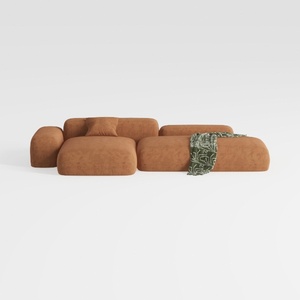
Minimalist Brown Fabric Modular Sectional Sofa 3D Model

Minimalist Solid Wood Linen Armchair with Throw Pillow 3D Model

Boucle Fabric Solid Wood Base Modern Sofa 3D Model
Homestyler is a user-friendly online home design platform offering powerful 3D rendering tools, inspiring design projects, and helpful DIY video tutorials. It makes creating and visualizing your dream space simple and fun, whether you’re a beginner or a design enthusiast.
지금 무료로 디자인하세요