The Art of Duplication in Interior Design: A Deep Dive into Repetition as Spatial Poetry
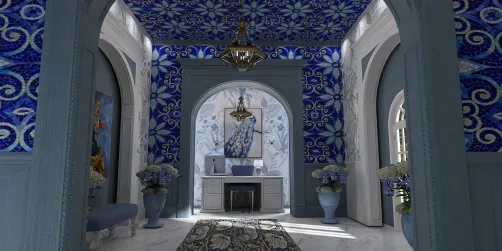
In interior design, duplication transcends mere replication—it becomes a deliberate compositional strategy that amplifies spatial perception, reinforces rhythm, and evokes emotional resonance. Rooted in principles of symmetry, modular logic, and visual continuity, the 'Art of Duplicate' is not about copying for convenience, but about orchestrating repetition with intention: to extend perceived volume, unify disparate zones, or celebrate pattern as narrative. This aesthetic philosophy appears across diverse styles—from minimalist lofts echoing identical pendant lights over a dining island, to grand classical salons mirroring ornate pilasters and gilded frames. What unites them is a shared belief: repetition, when thoughtfully deployed, does not diminish uniqueness—it magnifies meaning.

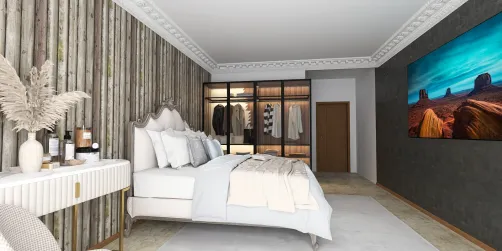
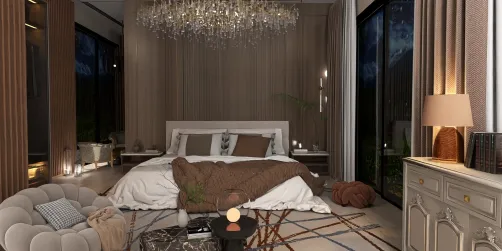
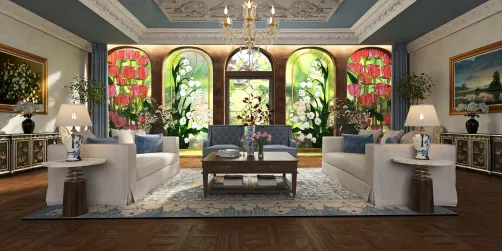
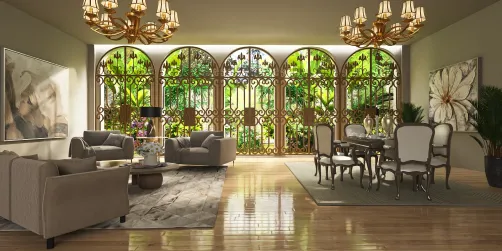
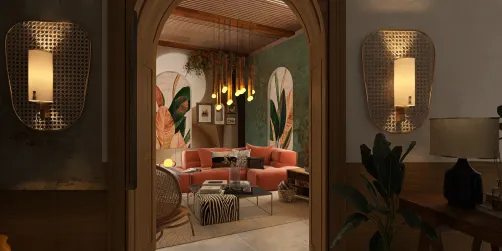
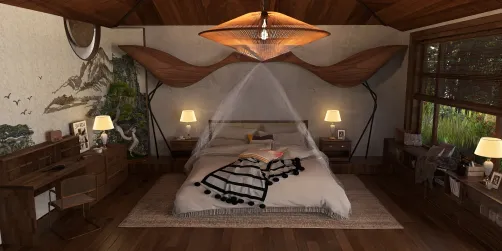
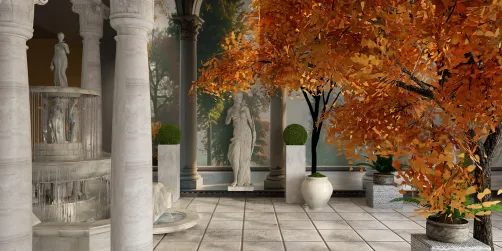
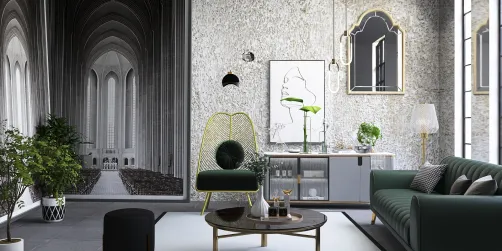
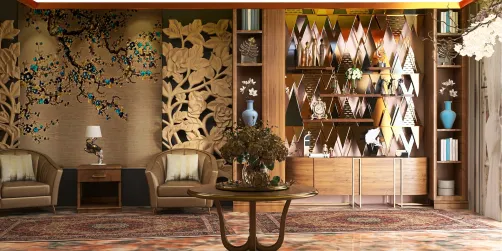
This work by Sevenseas 96, titled "Duplication in Design", exemplifies the principle through harmonious window framing, mirrored sofa-and-side-table groupings, and repeated greenery accents—creating layered depth without clutter. In Homestyler’s 3D rendering environment, designers can instantly duplicate objects (Ctrl+D), align them with Smart Guides, and adjust lighting consistency across copies—making spatial repetition intuitive, precise, and visually cohesive.
Start Free Design🪞 Repetition as Rhythm & Balance
Rhythm in interior design is achieved not through motion, but through the measured recurrence of form, scale, and placement. Duplication establishes predictable visual beats—like identical sconces flanking a mirror, matching floor lamps beside a sectional, or staggered rows of identical potted plants along a balcony. This rhythmic repetition calms the eye, guides movement, and creates an innate sense of equilibrium—even in asymmetrical layouts—by anchoring space with familiar intervals.

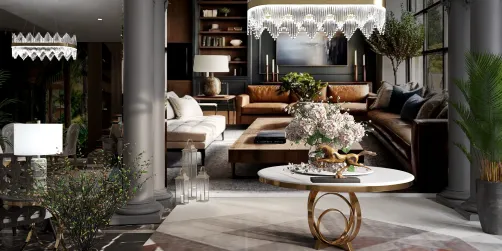
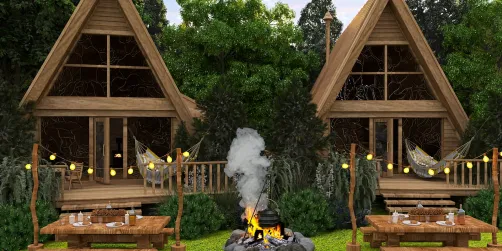
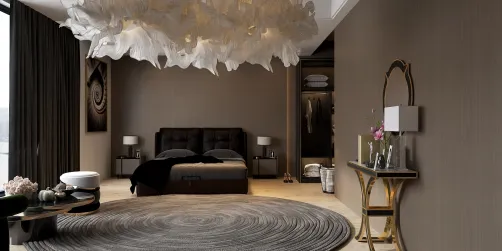
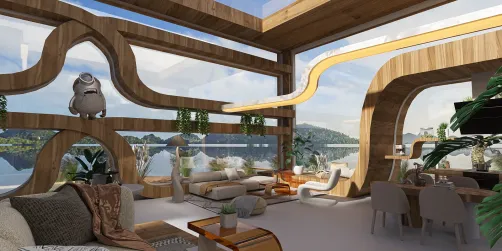
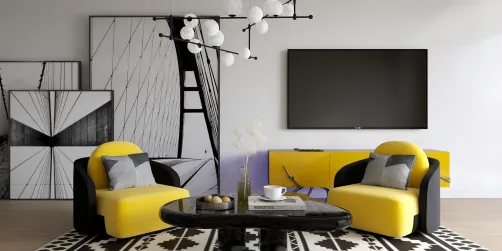
Anna Tallian’s "Enterior" demonstrates rhythmic duplication through paired armchairs, symmetrical shelving units, and repeated circular motifs in lighting and decor. In Homestyler, users leverage the 'Array Duplicate' tool to generate evenly spaced copies along a line or curve—ideal for railings, gallery walls, or linear planters—ensuring mathematical precision while preserving creative flow.
Design with Rhythm Now🌱 Layered Repetition with Variation
True sophistication lies not in identical clones, but in layered repetition with subtle variation—changing material, scale, orientation, or context while retaining core identity. Think of three identical vases placed at varying heights on a console; or the same chair model reupholstered in complementary textiles across a dining set. This technique adds richness and avoids monotony, transforming duplication into a storytelling device where sameness whispers nuance.

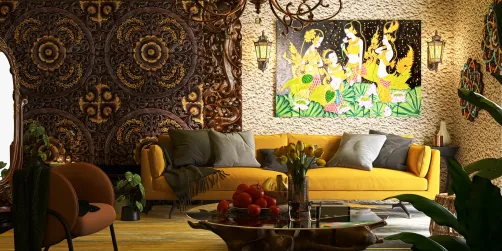
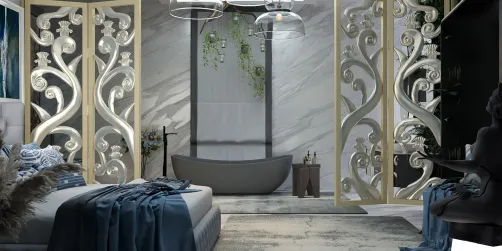
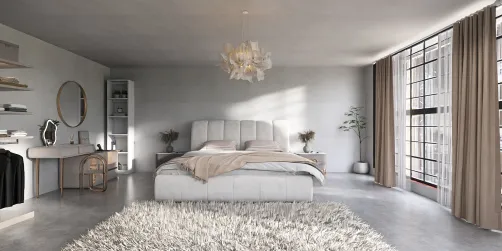
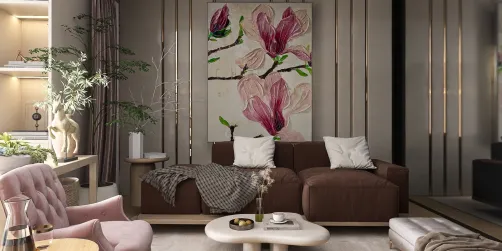
Juliana Nourieh’s piece subtly repeats the curved silhouette of the sofa, coffee table, and decorative mirrors—but varies their finishes (velvet, marble, gilded brass) and scales. Homestyler’s Material Swap and Scale Adjustment tools allow designers to iterate variations on duplicated assets in seconds—empowering expressive repetition without rebuilding from scratch.
Create with Variation💡 Strategic Duplication for Spatial Illusion
Duplication is a powerful illusionist: mirrored surfaces double light and dimension; aligned columns or beams suggest extended corridors; repeated ceiling fixtures elongate verticality. When applied to architectural elements or lighting plans, duplication manipulates perception—making compact rooms feel expansive, low ceilings appear taller, and narrow halls seem wider. It’s architecture’s quietest optical trick, grounded in geometry and amplified by reflection or alignment.

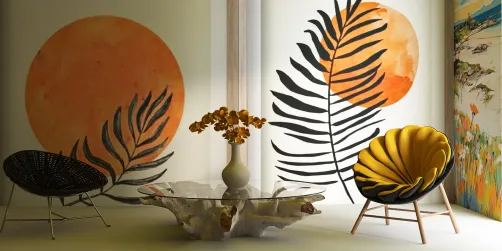
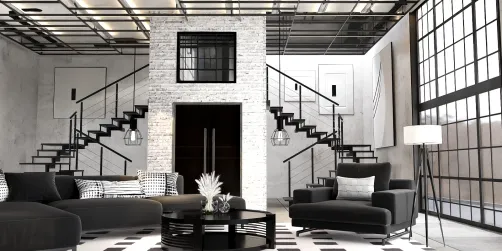
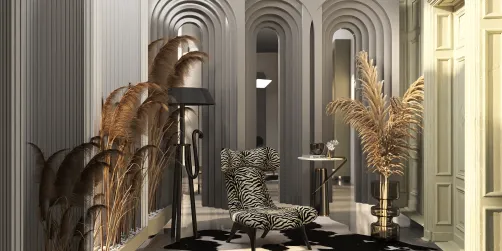
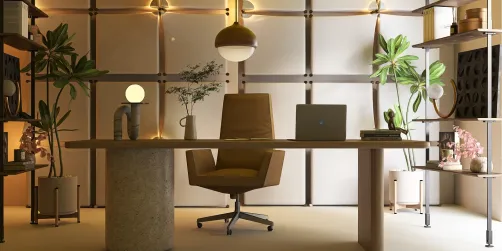
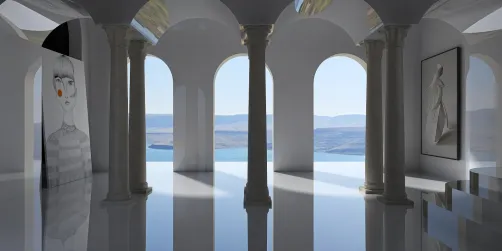
Maria Teresa’s minimalist composition uses duplicated recessed ceiling lights and aligned pendant clusters to draw the eye linearly—enhancing perceived length and height. In Homestyler, the 'Align & Distribute' panel lets designers snap duplicated lights to grid lines or distribute them evenly across any surface, enabling instant spatial recalibration before a single physical fixture is installed.
Experience Spatial MagicFAQ
Q: What does 'duplication' mean in this contest context?
Duplication refers to the intentional, design-driven reuse of identical or near-identical elements—such as furniture, lighting, textures, or architectural features—to create rhythm, amplify space, reinforce theme, or evoke harmony. It is not copy-paste utility, but a curated compositional language.
Q: Do duplicated items need to be 100% identical?
No. Subtle variation (e.g., color shift, material swap, rotation, or scaling) is encouraged—as long as the core form or motif remains recognizably repeated. The contest celebrates *intentional* repetition, not robotic uniformity.
Q: Can I use Homestyler’s AI tools to generate duplicated layouts?
Absolutely. Homestyler’s Smart Furniture Arrangement, Array Duplicate, and Align & Distribute features are explicitly designed to accelerate and refine duplication workflows—making complex repetitions achievable in seconds, not hours.

Modern Dark Green Velvet Tufted L-shaped Sectional Sofa 3D Model

Modern Marble Top Solid Wood Console Table With Decorative Accents 3D Model


Minimalist Fabric Curved Sofa With Throw Pillow 3D Model
Homestyler offers an easy-to-use online design tool with stunning 3D renderings, a vast collection of interior projects, and helpful DIY video tutorials. It’s perfect for bringing your home design ideas to life quickly and creatively.
Zaprojektuj teraz za darmo