Grid-Patterned Design Decoded: Geometry, Order & Innovation
The 'Grid-Patterned Space for Web' challenge celebrates a design philosophy rooted in precision, rhythm, and modern minimalism. Far more than simple tiling or repetitive motifs, grid-patterned design is a holistic spatial language — one that uses the inherent logic of orthogonal lines to structure volume, guide the eye, and unify disparate elements into a cohesive, intentional whole. It draws inspiration from architectural drafting, digital interfaces, and Bauhaus principles, translating mathematical clarity into warm, livable interiors. This aesthetic prioritizes visual hierarchy, balanced proportion, and restrained ornamentation — where every wall panel, cabinet alignment, tile layout, or furniture placement serves both functional purpose and compositional harmony. The result is a space that feels simultaneously grounded and dynamic: orderly without sterility, innovative without chaos.

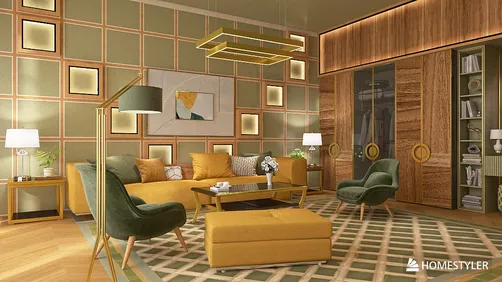
Work: Untitled by Nadya P. This vibrant living room exemplifies how grid logic can energize a compact space. Notice the precise alignment of the sofa back, coffee table edge, and rug perimeter — forming an invisible horizontal grid that anchors the composition. The vertical rhythm is reinforced by evenly spaced wall art and symmetrical sconces. In Homestyler, achieving this level of alignment is effortless: use the Smart Snap feature with grid overlay (View > Show Grid) and the Align & Distribute tools (Edit > Align) to instantly lock furniture and decor into perfect geometric relationships — no manual measuring required.
Start Free Design NowGeometric Precision: The Structural Backbone
At its core, grid-patterned design relies on a strict underlying framework of perpendicular lines — horizontal and vertical axes that govern spatial organization. This isn't just about floor tiles; it dictates wall paneling rhythms, ceiling beam spacing, cabinet door layouts, and even the proportional relationship between windows and adjacent walls. The grid acts as an invisible scaffold, ensuring every element has a deliberate location and scale, eliminating visual noise and creating instant legibility. It transforms randomness into intention, making spaces feel inherently stable and rationally composed.

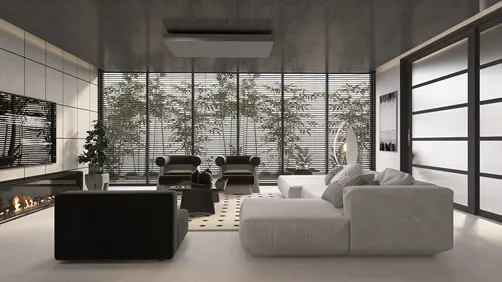
Work: Apartamento centro ciudad by Encarni Fernandez Calero. This award-winning apartment demonstrates structural grid mastery. The living room’s symmetry is built upon a central axis defined by the fireplace and mirrored shelving units. Cabinet doors align perfectly across the kitchen island and adjacent wall units, while the hardwood flooring runs continuously in parallel bands — all reinforcing the same directional logic. In Homestyler, leverage the Axis Lock tool during furniture placement and activate Wall Alignment (right-click wall > Align to Wall) to automatically snap cabinets and built-ins to the architectural grid — turning complex coordination into a single-click operation.
Begin Free Design TodayMonochromatic Harmony: Color as Compositional Tool
Grid-patterned design often embraces a restrained, monochromatic or tonal palette — not out of limitation, but as a deliberate strategy to emphasize form over hue. Black, white, and grey dominate many top entries because they maximize contrast and clarity, allowing the geometry itself to become the primary visual interest. Subtle shifts in texture (matte vs. glossy, wood grain vs. smooth laminate) and value (light oak vs. charcoal stone) replace bold color for depth and dimension, ensuring the grid remains legible and uncluttered.

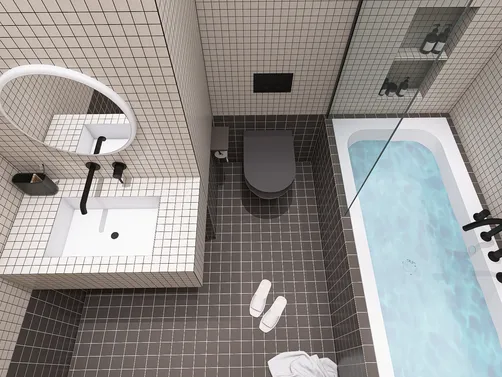
Work: Bathroom black/white by Anna Poikalainen. This masterclass in tonal discipline uses only black, white, and warm grey — yet achieves remarkable richness through material contrast: matte black fixtures against glossy white tiles, textured concrete floor beside smooth white cabinetry. Every line — grout joint, shelf edge, mirror frame — adheres to the same grid, making the monochrome palette feel intentional and powerful. In Homestyler, apply consistent Material Presets (e.g., 'Matte Black Metal', 'Polished White Ceramic') across all fixtures and surfaces, then use the Color Match tool (Select object > Materials > Match Color) to ensure absolute tonal fidelity — guaranteeing your monochrome vision renders flawlessly.
Try Free Design NowIntentional Negative Space: Breathing Room for the Grid
Negative space — the deliberate voids between objects — is not empty; it’s an active, calibrated component of the grid system. Generous spacing around furniture, wide margins on artwork, and uncluttered countertop zones are not omissions, but positive design decisions. This breathing room allows the grid lines to 'read' clearly, prevents visual congestion, and creates a sense of calm sophistication. It’s the silence between musical notes that gives rhythm its power — the grid defines the space, and the negative space defines the grid.

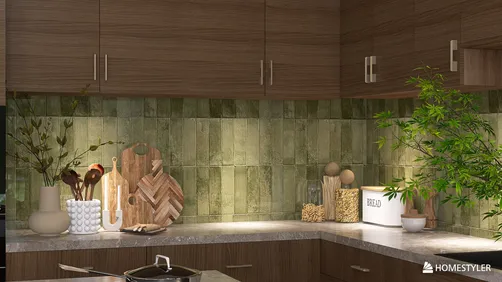
Work: Design Details in the Kitchen by anjaa mmm. Here, negative space is wielded with surgical precision. The open shelving unit features generous gaps between each shelf, while the countertop holds only one sculptural object — letting the clean lines of the green tile backsplash and natural wood cabinets dominate. The absence of clutter makes the grid of the tile pattern and cabinet divisions profoundly impactful. In Homestyler, use the Spacing Guide (View > Show Spacing Guide) to visualize minimum clearance zones, and employ the Group & Hide function (Select multiple > Right-click > Group) to temporarily remove non-essential decor — focusing solely on perfecting the foundational grid before adding accents.
Launch Free DesignFAQ
Q: What exactly qualifies as a 'grid pattern' in this contest?
A: A qualifying grid pattern goes beyond surface-level wallpaper. It must be structurally integrated — think aligned cabinet doors, rhythmic wall paneling, coordinated tile layouts, or furniture placements that consciously echo orthogonal geometry. The grid should be visible in the spatial organization, not just a decorative layer.
Q: Do I need professional 3D modeling skills to participate?
A: Absolutely not. Homestyler’s intuitive drag-and-drop interface, Smart Snap grid, and Auto-Align tools make creating precise, grid-based designs accessible to beginners. Our AI-powered suggestions help maintain proportions and alignments effortlessly.
Q: Can I use grid patterns in small apartments or bathrooms?
A: Yes — and it’s highly recommended! Grid logic excels in compact spaces. It creates visual expansion through repetition and order (e.g., vertical tile lines in a small bathroom), improves wayfinding, and maximizes perceived functionality — all key strengths demonstrated in top-winning entries like the black/white bathroom design.
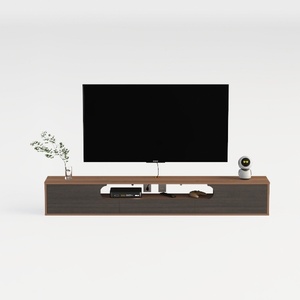
Minimalist Two Tone Solid Wood TV Stand Cabinet 3D Model
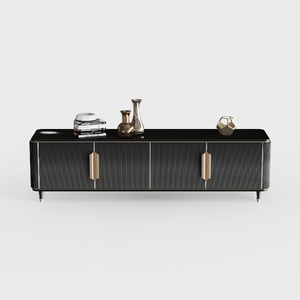
Modern Storage Cabinet, 94.4" Buffet Cabinet with

Chinese Traditional Black Solid Wood Living Room Furniture Set 3D Model
Homestyler offers an easy-to-use online design tool with stunning 3D renderings, inspiring interior projects, and helpful DIY video tutorials—perfect for turning your home design ideas into reality effortlessly.
Desain sekarang Gratis