


Loft-Style Living Space Design
The 'Open Timber Loft' contest theme centers on a contemporary loft-style living space — an open-plan, vertically dynamic environment defined by exposed timber structural elements, abundant natural light, and flexible spatial zoning. Unlike traditional enclosed rooms, this scene emphasizes architectural honesty, material warmth (especially wood), visual continuity across levels or zones, and intentional layering of function within a single expansive volume. It’s not just a room type but a lifestyle-oriented spatial concept: grounded yet airy, industrial yet inviting, structured yet adaptable — ideal for modern urban dwellings, converted warehouses, or elevated residential interiors seeking character and flow.
Design Challenges & Common Pitfalls
Designing a successful loft-style living space presents unique challenges: balancing openness with functional privacy without walls; integrating vertical circulation (e.g., mezzanines or stairs) without disrupting sightlines or scale; avoiding visual clutter in high-ceilinged spaces where every element is amplified; managing acoustics and thermal comfort in large, hard-surfaced volumes; and ensuring furniture scale harmonizes with exposed beams and lofty proportions. A frequent mistake is overloading the space with heavy furnishings or mismatched materials — undermining the lightness and cohesion that define authentic loft aesthetics.
✅ Prioritize Vertical Rhythm & Structural Honesty
Celebrate the timber framework as both structure and aesthetic anchor. Align furniture groupings, lighting layers, and material transitions with beam spacing and column rhythms to reinforce spatial logic. Avoid hiding structural elements — instead, use them to define zones (e.g., a sofa positioned beneath a pair of parallel beams creates an implied 'living zone'). This principle strengthens perceived order and enhances architectural authenticity — a core tenet of effective indoor space planning.

Designer Tere🌷 Nuñez’s '🌷🌷🌷' leverages Homestyler AI design tools to precisely align suspended pendant lights with ceiling joists and positions low-profile seating beneath exposed beams — visually anchoring the lounge area while honoring structural rhythm. Her use of warm-toned timber accents (flooring, coffee table) echoes the loft’s skeleton, demonstrating how Homestyler’s snap-to-grid and material-matching features support structural honesty without manual drafting.
Start Free Design🌿 Layer Light, Texture & Warmth Strategically
Loft spaces risk feeling cold or cavernous due to height and minimal partitions. Counteract this by deploying layered lighting (ambient + task + accent), tactile textures (wool rugs, linen upholstery, raw wood grain), and warm material palettes. Introduce biophilic elements (indoor plants, organic shapes) and soft acoustic treatments (textile panels, upholstered furniture) to humanize scale and enrich sensory experience — essential for holistic indoor space planning.

teresadaz3737’s Top 4 entry (untitled) masterfully applies this principle: floor-to-ceiling windows flood the space with daylight (ambient layer), a sculptural wooden dining table and woven pendants add texture and warmth (tactile + accent layer), while lush greenery beside the staircase introduces organic softness. Using Homestyler’s real-time lighting simulation and material library, she iterated lighting temperatures and rug pile heights digitally — proving how Homestyler design techniques enable rapid, confident layering decisions.
Begin Free Design📍 Define Zones Through Furniture & Material Transitions
In the absence of walls, clear spatial definition is critical. Use furniture orientation (e.g., L-shaped sofa facing a media wall), area rugs, ceiling treatments (varied pendant heights), floor-level changes (subtle thresholds), or material shifts (wood vs. stone flooring) to signal distinct functional areas — lounge, dining, workspace, or reading nook — without physical barriers. This supports intuitive navigation and psychological comfort in open layouts — a cornerstone of intelligent indoor space planning.

Barbara MacRae’s 'Sky High Blues' uses a bold navy area rug to delineate the living zone, a floating walnut TV console to anchor the media wall, and a distinct white oak dining table with contrasting chairs to mark the adjacent eating area — all within one uninterrupted volume. She employed Homestyler’s drag-and-drop zone labeling and smart material swap tools to test dozens of flooring and rug combinations in minutes, showcasing how Homestyler design techniques streamline non-structural zoning.
Launch Free DesignFAQ
Q: Do I need professional architecture files to use the Open Timber Loft template in Homestyler?
Not at all. The Open Timber Loft is a ready-to-use, parametric room template built into the Homestyler app — no CAD files or structural drawings required. Just select it from the top of the room template list and begin designing.
Q: Can I submit designs made outside Homestyler (e.g., SketchUp or AutoCAD) to this contest?
No. Only designs created directly within the Homestyler app using the official 'Open Timber Loft' template are eligible. This ensures fair judging and leverages Homestyler’s AI-powered rendering, material matching, and lighting simulation features.
Q: How does Homestyler help with indoor space planning for open lofts?
Homestyler offers smart zoning tools, real-time sunlight simulation (critical for timber-loft daylight analysis), one-click material consistency across surfaces, and AI-powered furniture scaling suggestions — all tailored to optimize proportion, flow, and functionality in large, open volumes. Its intuitive interface turns complex indoor space planning into an accessible, visual process.
Q: Are there Homestyler design techniques specifically for highlighting exposed timber structures?
Yes. Use Homestyler’s 'Beam Highlight Mode' (under View Settings) to isolate and style structural members; apply matching wood finishes to floors/furniture for material continuity; and position spotlights or linear LEDs along beam undersides using the lighting tool — all achievable with a few clicks in the Homestyler design environment.
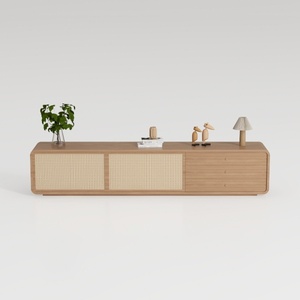
Minimalist Japandi Oak Rattan TV Cabinet 3D Model
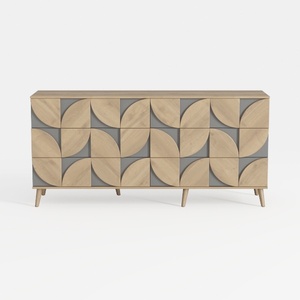
Modern Geometric Pattern Solid Wood Sideboard Cabinet 3D Model
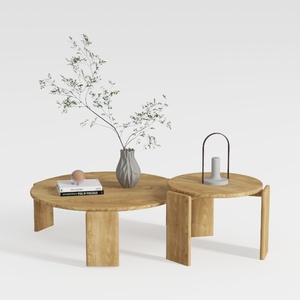
Minimalist Solid Wood Round Nesting Coffee Tables 3D Model
Homestyler is a user-friendly online home design platform offering powerful 3D rendering tools, a vast collection of interior design projects, and helpful DIY video tutorials. It makes creating and visualizing your dream space simple and inspiring. Perfect for all skill levels!
Design Now for FREE




